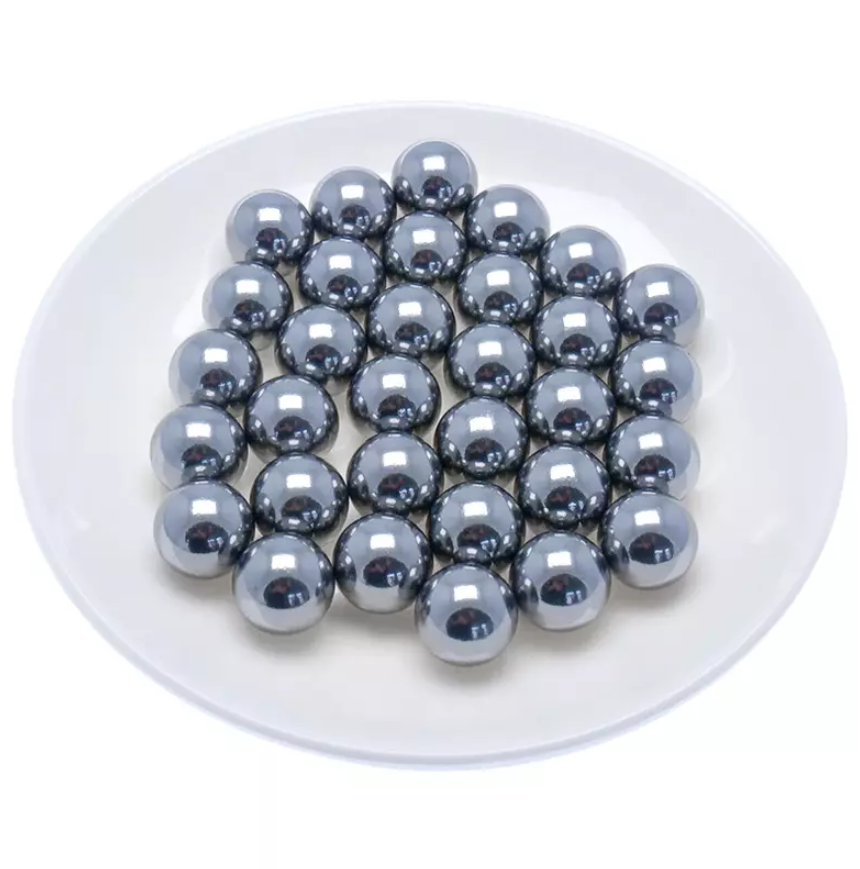
Have you ever wondered how small components can make a big impact? Carbon steel balls are essential in many industries.
These durable and versatile balls play a crucial role in machinery, automotive parts, and more.
In this article, you’ll learn about their composition, manufacturing process, and the benefits they bring to various applications.
Core Specifications of Carbon Steel Balls
What are the different material grades of carbon steel balls?
Carbon steel balls come in three primary grades: low-carbon, medium-carbon, and high-carbon. Each grade has unique properties that make it suitable for specific applications.
● Low-Carbon Grades: Typically contain less than 0.25% carbon. They are ductile and malleable, making them ideal for applications where flexibility is essential. Commonly used in manufacturing general-purpose components.
● Medium-Carbon Grades: These have a carbon content between 0.25% and 0.60%. They offer a good balance of strength and toughness, making them suitable for parts that require higher load-bearing capacity. A common example is AISI 1045.
● High-Carbon Grades: Containing more than 0.60% carbon, these grades are much harder and wear-resistant. They are often used in applications where durability is critical, such as AISI 1085 for high-stress components.
Grade | Carbon Content | Common Applications |
Low-Carbon | < 0.25% | General-purpose components |
Medium-Carbon | 0.25% - 0.60% | Gears, axles, and other machinery parts |
High-Carbon | > 0.60% | Cutting tools, high-stress applications |
What is the chemical composition of carbon steel balls?
The chemical makeup of carbon steel balls varies by grade. Here’s a breakdown of the key elements:
● Carbon (C): The primary alloying element, influencing hardness and strength.
● Manganese (Mn): Enhances hardenability and strength.
● Phosphorus (P): Typically kept low, as it can make steel brittle.
● Sulfur (S): Also minimized, as it negatively affects ductility.
Composition Differences:
● Low-carbon balls have minimal carbon, making them softer.
● High-carbon balls contain more carbon, leading to increased hardness.
How does hardness affect the performance of carbon steel balls?
Hardness is crucial for the performance of carbon steel balls. It’s measured using two scales: Rockwell B (HRB) and Rockwell C (HRC).
● HRB: Used for softer materials, measuring hardness on a scale of 0 to 100.
● HRC: Applied to harder materials, typically ranging from 20 to 70.
Heat Treatment Impact:
● Heat treatment processes, like quenching and tempering, significantly increase hardness.
● For example, a high-carbon ball can reach an HRC of 60 or more, making it suitable for demanding applications.
What are the dimensional ranges available for carbon steel balls?
Precision is vital when it comes to the dimensions of carbon steel balls. They are produced in various standard sizes to meet different needs.
● Common Diameters:
○ 4.763 mm
○ 6 mm
○ 8 mm
○ Additional sizes available for specialized applications.
Importance of Precision:
● Accurate dimensions ensure proper fit in machinery and components.
● Tolerance levels must be maintained to prevent mechanical failure.
What surface treatments are commonly applied to carbon steel balls?
To enhance performance and longevity, carbon steel balls often undergo various surface treatments. Here are some common methods:
● Zinc Plating: Provides a protective layer against corrosion, extending the life of the balls.
● Nickel Plating: Offers better corrosion resistance and a shiny finish.
● Chrome Plating: Increases hardness and wear resistance.
● Galvanizing: A method of applying a protective zinc coating to prevent rust.
Benefits of Surface Treatments:
● Improved corrosion resistance extends the usability of carbon steel balls.
● Enhanced surface hardness increases durability, especially in high-friction applications.
Magnetic Properties:
● Carbon steel balls can exhibit magnetic properties, which may be beneficial in certain applications.
● The microstructure of the steel also influences its performance and behavior under stress.
This section provides a detailed look at the core specifications of carbon steel balls, covering their grades, chemical composition, hardness, dimensions, and surface treatments. Each aspect is essential for understanding how these components function in various applications.
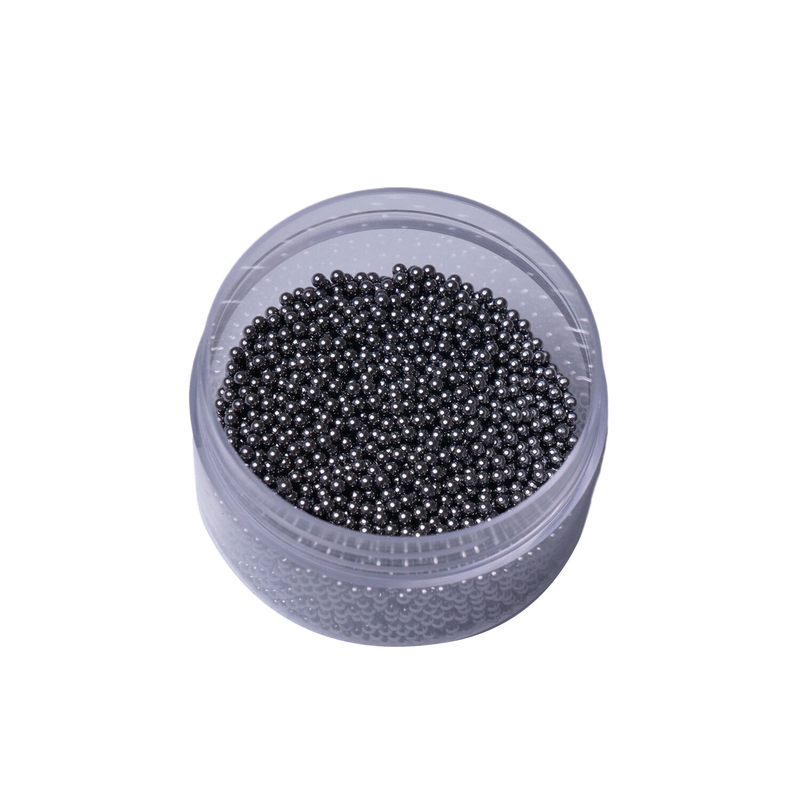
Applications of Carbon Steel Balls
In which industries are carbon steel balls used?
Carbon steel balls are versatile components found in various industries. Here’s a closer look at where they are commonly used:
● Mechanical and Industrial Machinery: These balls are crucial in many machines, providing essential functions like reducing friction and improving efficiency.
● Automotive Applications: Found in numerous automotive parts, carbon steel balls enhance performance and durability.
● Aerospace and Military Uses: Critical for precision components, they ensure reliability in high-stress environments.
● Consumer Products: You’ll find them in everyday items like bicycles, toys, and hardware.
● Specialized Manufacturing: Industries such as grinding, cosmetics, fluid control, and medical instruments rely on carbon steel balls for their unique properties.
How do carbon steel balls contribute to mechanical and industrial machinery?
In mechanical and industrial settings, carbon steel balls play a vital role. Here are some key contributions:
● Ball Bearings: They reduce friction, allowing for smoother movement in machinery.
● Sliding Rails: Carbon steel balls enable efficient sliding mechanisms, enhancing the performance of various systems.
● Conveyor Systems: Their high load-bearing capacity supports heavy loads, making them perfect for conveyor applications.
Benefits:
● Low friction leads to energy savings.
● High durability ensures long-lasting performance, reducing maintenance costs.
What specific automotive applications utilize carbon steel balls?
In the automotive industry, carbon steel balls are essential for several applications:
● Steering Systems: They provide smooth operation, crucial for vehicle control.
● Transmission Parts: Their strength and resilience are vital for efficient power transfer.
● Wheel Hubs: Carbon steel balls enhance durability, ensuring reliable performance under harsh driving conditions.
Importance:
● These components must withstand extreme pressures and temperatures, making their durability critical.
How are carbon steel balls utilized in aerospace and military sectors?
In aerospace and military applications, precision is paramount. Carbon steel balls are used in:
● Control Systems: They ensure accurate movements, which is vital for safety and performance.
● Precision Components: These balls are integrated into various systems where reliability is non-negotiable.
Requirements:
● They must exhibit resilience and performance under stress, meeting strict industry standards.
What roles do carbon steel balls play in consumer and commercial products?
Carbon steel balls are also present in many consumer and commercial products, such as:
● Bicycles: Used in hubs and bottom brackets, they ensure smooth pedaling.
● Toys and Crafts: Non-toxic variants are available, making them safe for children.
● Daily Hardware: Found in locks, casters, and other hardware, they enhance functionality.
Applications:
● Their use in everyday items showcases their versatility and importance in our daily lives.
This section highlights the diverse applications of carbon steel balls across various industries, emphasizing their critical role in enhancing performance and reliability. From machinery to consumer products, these components are integral to many systems we rely on every day.
Key Benefits of Using Carbon Steel Balls
What are the cost advantages of carbon steel balls?
When considering materials for various applications, carbon steel balls stand out due to their cost-effectiveness. Here’s how they compare:
● Comparison with Alternative Materials: Carbon steel balls are generally more affordable than stainless steel or ceramic options. This makes them a popular choice for budget-conscious projects.
● Economic Benefits for Large-Volume Applications: In high-volume production, the lower cost per unit of carbon steel balls can lead to significant savings, especially in manufacturing industries.
How do carbon steel balls exhibit durability and toughness?
Durability is a key factor in the performance of carbon steel balls. Here are some aspects of their toughness:
● Resistance to Wear and Deformation: These balls are designed to withstand significant wear, making them ideal for applications involving friction and pressure.
● Longevity in High-Stress Environments: Carbon steel balls maintain their integrity even under extreme conditions, ensuring they last longer than many alternatives.
What makes carbon steel balls versatile in application?
The versatility of carbon steel balls is one of their greatest strengths. Consider the following:
● Compatibility with Various Surface Treatments: They can be treated with coatings like zinc or chrome, enhancing their performance in different environments.
● Customization Options: Manufacturers can tailor carbon steel balls to meet specific needs, such as size, hardness, and surface finish, making them suitable for diverse applications.
Why are carbon steel balls easy to process and fabricate?
Processing carbon steel balls is straightforward, which adds to their appeal:
● Weldability and Suitability for Custom Designs: They can be easily welded or machined, allowing for custom designs that fit unique project requirements.
● Potential for Casting into Complex Shapes: Carbon steel can be cast into intricate shapes, providing flexibility in design and application.
What are the maintenance requirements for carbon steel balls?
Maintaining carbon steel balls is relatively simple, which is a significant advantage:
● Longevity and Minimal Upkeep: Thanks to effective surface treatments, these balls require less maintenance over time, reducing overall operational costs.
● Cost Savings Over Time: The durability and low maintenance needs translate to long-term savings, making carbon steel balls a smart investment.
This section outlines the key benefits of using carbon steel balls, highlighting their cost advantages, durability, versatility, ease of processing, and low maintenance requirements. These factors make them an excellent choice for a wide range of applications across various industries.
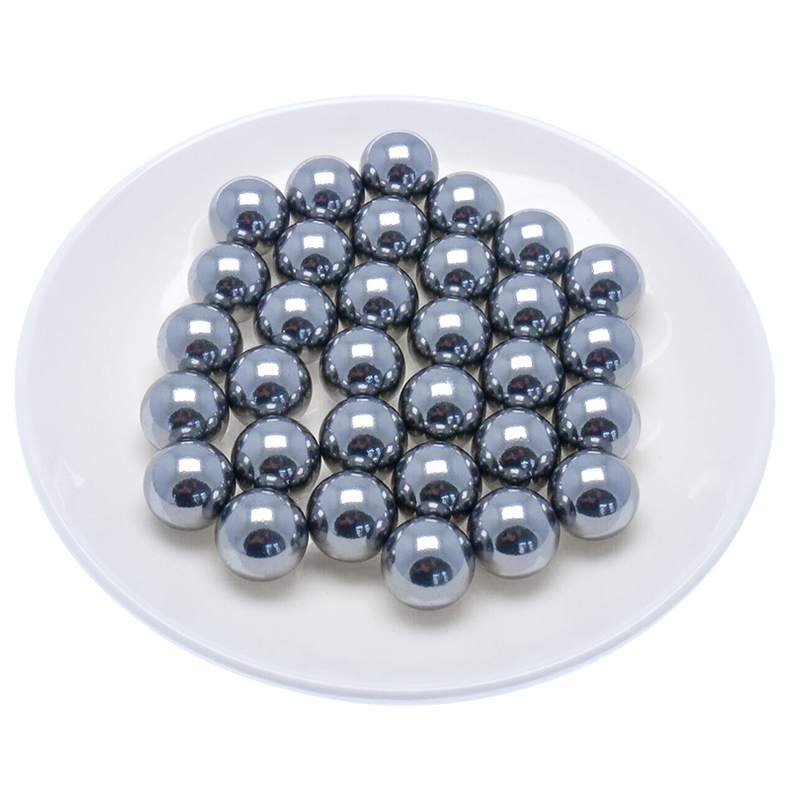
Competitive Comparison: Carbon Steel Balls vs. Bearing Steel Balls
How do carbon steel balls compare to bearing steel balls (e.g., GCr15)?
When comparing carbon steel balls to bearing steel balls like GCr15, several factors come into play:
● Hardness and Wear Resistance Differences: Bearing steel balls are typically harder than carbon steel balls. This hardness translates to better wear resistance, making them ideal for applications where friction is high.
● Corrosion Resistance and Cost Analysis: Bearing steel often has better corrosion resistance due to alloying elements. However, carbon steel balls are generally more economical, making them suitable for budget-sensitive projects.
● Use Case Scenarios for Each Type of Ball:
○ Carbon Steel Balls: Best for general-purpose applications where cost is a priority.
○ Bearing Steel Balls: Preferred for high-performance applications requiring precision and durability.
What are the best applications for carbon steel balls?
Carbon steel balls excel in specific scenarios. Here are some ideal applications:
● Cost-Sensitive, General-Purpose Uses: These balls are perfect for applications where budget constraints are significant. They provide adequate performance without the premium price tag.
● Situations Where Precision and Longevity Are Less Critical: In applications like casual toys or low-stress machinery, carbon steel balls offer a reliable solution without needing the superior properties of bearing steel balls.
This section highlights the competitive advantages and suitable applications of carbon steel balls compared to bearing steel balls. By understanding these differences, manufacturers can make informed decisions based on their specific needs and budget constraints.
Conclusion
Choosing carbon steel balls for industrial and commercial applications offers several advantages. They are cost-effective, durable, and versatile.
We discussed their benefits, including wear resistance and ease of processing. Carbon steel balls are ideal for general-purpose uses where precision isn’t critical.
Understanding these properties is crucial for making informed decisions in manufacturing and design. Their role in various industries underscores their importance.
FAQ
Q: What is the difference between carbon steel balls and stainless steel balls?
A: Carbon steel balls are generally more cost-effective but less resistant to corrosion compared to stainless steel balls.
Q: How are carbon steel balls manufactured?
A: They are typically produced through processes like forging, machining, and heat treatment to achieve desired properties.
Q: Can carbon steel balls be recycled?
A: Yes, carbon steel balls can be recycled, making them an environmentally friendly option.
Q: What are the safety considerations when using carbon steel balls?
A: Users should ensure proper handling to avoid injury and check for any sharp edges.
Q: Where can I purchase high-quality carbon steel balls?
A: High-quality carbon steel balls can be found at specialized industrial suppliers or online marketplaces.


