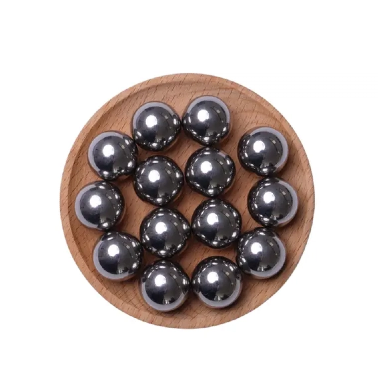
1.Steel Production and Environmental Concerns
Steel remains one of the most widely used materials across industries, from automotive manufacturing to construction and machinery. Among its various forms, carbon steel balls are vital components used in numerous mechanical systems such as bearings, transmissions, and industrial equipment. However, the production of steel—including carbon steel balls—comes with significant environmental challenges.
Steel manufacturing is energy-intensive and involves substantial consumption of natural resources like iron ore, coal, and water. It also contributes to greenhouse gas emissions, air pollution, and waste generation. As global awareness about climate change and environmental degradation grows, the steel industry faces increasing pressure to adopt sustainable practices.
Understanding the environmental impact of carbon steel balls and exploring sustainable solutions is crucial.
2.Carbon Steel Ball Recycling Processes
Recycling plays a pivotal role in reducing the environmental footprint of carbon steel balls. The steel industry is fortunate in that steel is highly recyclable without loss of quality, making the circular economy model practical and effective.
Collection and Sorting
End-of-life carbon steel balls, whether from used machinery or manufacturing scrap, must first be collected and sorted. Efficient sorting methods separate carbon steel balls from other materials such as stainless steel, ceramics, or plastics to ensure high purity in recycled batches.
Melting and Refining
The sorted steel balls enter the recycling loop through electric arc furnaces or basic oxygen furnaces. Here, they are melted down alongside scrap steel. Advanced refining techniques remove impurities and adjust chemical compositions to meet strict quality standards for new carbon steel balls.
Re-Manufacturing
After melting and refining, the recycled steel is cast and formed into billets or rods used in manufacturing new carbon steel balls. The manufacturing process proceeds as with virgin material—wire drawing, cold heading, heat treatment, and finishing.
Environmental Benefits of Recycling
Recycling carbon steel balls drastically reduces the need for virgin iron ore and coal extraction, lowering land degradation and emissions from mining activities. It also cuts down the energy consumption associated with primary steelmaking—recycling steel uses approximately 60-70% less energy compared to producing new steel from ore.
Moreover, recycling minimizes landfill waste and pollution. These environmental benefits make recycling an essential pillar of sustainable carbon steel ball production.
3.Life Cycle Analysis and Carbon Footprint
To fully grasp the sustainability profile of carbon steel balls, it’s important to assess their life cycle—from raw material extraction, manufacturing, usage, to disposal or recycling.
Raw Material Extraction and Processing
The extraction of raw materials like iron ore and coal for steel production is resource-intensive and generates substantial greenhouse gases (GHG). Mining operations also affect local ecosystems and water quality.
Manufacturing Impact
The processing of raw materials into steel balls involves multiple energy-consuming stages, including melting, forging, heat treatment, and finishing. Each step contributes to carbon emissions and water usage. The choice of energy sources (coal, natural gas, or renewables) heavily influences the carbon footprint.
Usage Phase
Carbon steel balls typically have long service lives, which helps distribute their environmental impact over many years of use. Proper maintenance, including lubrication and timely replacement, maximizes efficiency and reduces premature failures.
End-of-Life and Recycling
A high recycling rate dramatically lowers the total life cycle emissions of carbon steel balls. Life cycle assessments (LCAs) show that incorporating recycled steel can reduce the carbon footprint by 20-30%, depending on the process efficiency and recycling content.
Reducing Carbon Footprint
Manufacturers can reduce carbon footprints by optimizing production energy use, employing renewable energy, improving process efficiency, and increasing recycled content. Continuous innovation in these areas will be key to lowering the environmental impact of carbon steel balls.
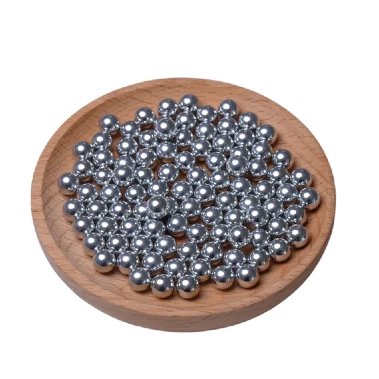
4.Advances in Sustainable Manufacturing
Recent technological advancements are helping the steel ball manufacturing industry align better with sustainability goals.
Energy-Efficient Technologies
New furnace designs, waste heat recovery systems, and electric arc furnaces powered by renewable electricity reduce fossil fuel consumption. Automation and precision control minimize waste and rework.
Use of Alternative Energy
Some manufacturers are transitioning to cleaner energy sources such as solar, wind, or hydroelectric power to drive production processes, further lowering greenhouse gas emissions.
Material Efficiency and Waste Reduction
Advanced manufacturing techniques reduce material scrap and optimize raw material use. Enhanced process controls improve product yield and reduce the need for energy-intensive reprocessing.
Eco-Friendly Coatings and Lubricants
Sustainable options for protective coatings and lubricants extend the lifespan of carbon steel balls and reduce harmful chemical usage.
Green Certifications and Standards
Industry-wide adoption of ISO 14001 (Environmental Management Systems) and other green certifications ensures manufacturers maintain accountability and continuous improvement in environmental performance.
5.Benefits of Using Recycled Materials
Incorporating recycled steel in carbon steel ball production provides significant environmental and economic advantages.
Resource Conservation
Recycling reduces demand for virgin raw materials, helping conserve finite natural resources like iron ore and coal, and protects biodiversity by reducing mining activity.
Energy Savings
Recycled steel production consumes far less energy than primary steelmaking, which means lower greenhouse gas emissions and operational costs.
Cost Reduction
Using scrap steel can reduce raw material expenses, which can translate to more competitive pricing for carbon steel balls.
Waste Minimization
Recycling reduces landfill use and associated environmental problems, promoting cleaner production cycles.
Circular Economy Support
By closing the loop, manufacturers contribute to a circular economy, where materials continuously re-enter the production chain instead of becoming waste.
Brand Image Enhancement
Companies demonstrating commitment to recycling and sustainability often improve their market reputation and meet customer demands for environmentally responsible products.
6.Corporate Responsibility in Steel Ball Production
Producers of carbon steel balls bear considerable responsibility in minimizing environmental impact and promoting sustainability.
Implementation of Environmental Policies
Progressive companies establish comprehensive environmental policies targeting emission reductions, energy efficiency, waste management, and water conservation.
Green Supply Chain Management
They collaborate with suppliers and customers to ensure sustainable sourcing, logistics optimization, and product lifecycle management.
Transparency and Reporting
Openly publishing sustainability reports and carbon footprint data fosters trust and helps stakeholders assess corporate environmental performance.
Community Engagement and Compliance
Engaging local communities and adhering strictly to environmental regulations support social license to operate and reduce risks.
Case Examples
Leading manufacturers invest in R&D for greener processes, renewable energy use, and recycling infrastructure. Such initiatives often lead industry standards and inspire wider adoption.
7.Conclusion
The environmental impact of carbon steel balls is closely linked to the broader challenges of steel production and resource management. Fortunately, through advanced recycling techniques, life cycle improvements, and sustainable manufacturing innovations, the industry is making significant strides toward eco-friendly practices. Using recycled materials not only reduces the carbon footprint but also drives economic savings and conserves valuable resources. Corporate responsibility plays a vital role in promoting transparency and accountability throughout the production process.
As the demand for high-quality, durable carbon steel balls continues to grow across various industries, prioritizing sustainability is essential to balance business growth with environmental care. For those seeking reliable suppliers committed to both product excellence and sustainable practices, Ningyang Qisheng Industry and Trade Co., Ltd. stands out as a trusted leader. To learn more about their eco-conscious carbon steel ball solutions or to discuss your specific requirements, consider reaching out to Ningyang Qisheng for expert guidance and partnership opportunities.


