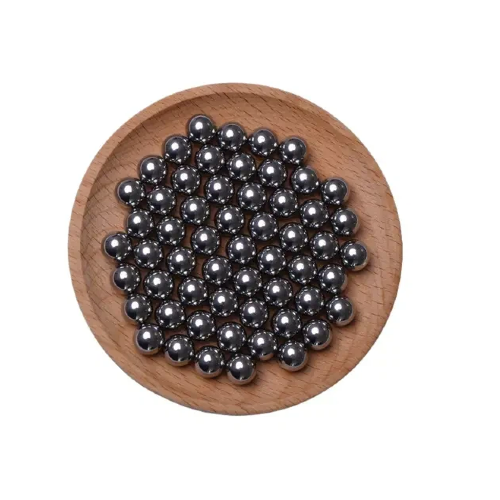
Bearing steel balls play a critical role in the smooth operation of various types of machinery. These tiny yet essential components are integral to reducing friction, ensuring high performance, and improving the overall efficiency of equipment in industries such as automotive, aerospace, and industrial machinery. The manufacturing process of bearing steel balls involves a highly precise, multi-step procedure, transforming raw wire into perfect spherical shapes that meet the most stringent quality standards.
In this article, we will delve into the detailed manufacturing process of high-precision bearing steel balls, from the selection of raw materials to the final inspection. Understanding each step in the production process highlights the importance of bearing steel balls in the functioning of modern machinery.
1. What are Bearing Steel Balls?
Bearing steel balls are hard, spherical steel components used in bearings to facilitate smooth motion and reduce friction between moving parts. These balls are manufactured to precise specifications, ensuring that they meet the stringent demands of various industries. Bearing steel balls are crucial in applications where components need to rotate smoothly and with minimal wear.
Types of Bearing Steel Balls
Bearing steel balls come in different material grades and types depending on the specific use case:
AISI 52100 Steel Balls: Known for their high carbon content and exceptional hardness, these balls are commonly used in automotive and aerospace industries.
Chrome Steel Balls: Often used in high-load applications, these steel balls offer excellent wear resistance and are commonly used in industrial machinery.
Stainless Steel Balls: These are used in environments where corrosion resistance is a priority, such as medical equipment and food processing.
The precision, strength, and durability of these bearing steel balls make them indispensable in many industries.
2. Raw Material Selection: The Beginning of the Journey
The journey of a bearing steel ball starts with the selection of the right raw materials. The material chosen for manufacturing must possess specific properties such as hardness, wear resistance, and machinability. Typically, high-carbon steel alloyed with chromium is used to produce bearing steel balls due to its excellent mechanical properties.
Key Materials Used for Bearing Steel Balls
High-Carbon Steel: This provides the necessary hardness to withstand high stress and wear.
Chromium: Added for increased hardness and resistance to wear and corrosion.
Manganese: Contributes to the steel's toughness and ductility.
Silicon: Helps improve the strength and heat resistance of the steel.
Material | Purpose | Composition |
High-Carbon Steel | Hardness and wear resistance | Carbon 0.98–1.10% |
Chromium | Hardness and corrosion resistance | Chromium 1.30–1.60% |
Manganese | Toughness and ductility | Manganese 0.25–0.45% |
Silicon | Strength and heat resistance | Silicon 0.10–0.35% |
The right combination of these elements ensures that the bearing steel balls can handle high loads, resist wear, and maintain their integrity under extreme conditions.
3. Wire Drawing: Shaping the Foundation
Once the raw material has been selected and melted, the next step is wire drawing. The wire drawing process is essential for shaping the material into a form that is suitable for further processing.
Wire Drawing Process
Wire drawing involves pulling a wire through a die to reduce its diameter. The steel wire used to make bearing steel balls is typically drawn to a specific size before it is cut into shorter segments. Precision in this step is crucial, as any variation in the diameter can result in inconsistencies in the final product.
The drawn wire must also be free from defects such as cracks or surface imperfections, which could affect the quality of the bearing steel balls.
Importance of Precision
The wire drawing process sets the foundation for achieving the correct size and shape in the subsequent steps. Even slight inconsistencies at this stage can lead to irregularities in the final product, affecting the bearing steel balls' performance.
4. Heating and Cutting: Preparing for Shaping
Before the wire can be transformed into spheres, it undergoes a heating and cutting process. This step is critical for softening the steel to make it more malleable and easier to shape.
Heat Treatment
The drawn wire is heated to a specific temperature in a furnace. This heating process, known as austenitizing, allows the material to become soft and more pliable, making it easier to cut and shape into spheres. The precise control of temperature during this process is essential to prevent any overheating or underheating, which could compromise the material's strength.
Cutting
Once the wire is heated, it is cut into smaller, manageable pieces that will form the basis of the bearing steel balls. The cutting process needs to be done carefully to ensure uniformity, as the length and size of each piece directly affect the size of the final ball.
5. The Rolling Process: Forming the Sphere
The rolling process is where the steel pieces are transformed into spherical shapes. This process is crucial for ensuring the uniformity and precision of the bearing steel balls.
Rolling Mill
The cut pieces of steel are fed into a rolling mill, which gradually shapes them into spherical balls. The rolling mill applies controlled pressure and temperature to form the steel into the correct shape. Multiple stages of rolling may be required, with each stage refining the shape and size of the ball.
Precision is paramount in this step. Even small deviations in the rolling process can lead to inconsistencies in the size and shape of the balls, affecting their performance in bearings.
6. Grinding and Lapping: Perfecting the Surface
Once the bearing steel balls have been rolled into shape, they are ground and polished to achieve the final dimensions and surface finish.
Grinding Process
In the grinding process, the spherical balls are ground to remove any surface irregularities and achieve the desired diameter. Specialized grinding machines are used to grind the balls to the exact tolerances required.
Lapping Process
The final step in shaping the surface is lapping. Lapping uses abrasive slurry to smooth out the surface of the bearing steel balls, giving them a high-quality finish. The lapping process is essential for reducing surface roughness, which in turn reduces friction during use and enhances the ball's durability.
7. Heat Treatment: Hardening for Durability
After the balls are shaped and polished, they undergo a heat treatment process to increase their hardness and wear resistance. This step is essential for ensuring that the bearing steel balls can withstand the stresses they will encounter during use.
Hardening
The balls are heated to a high temperature and then rapidly cooled using oil or water. This process, known as quenching, transforms the steel into a hard, durable material. The hardness of the steel is crucial for maintaining the ball's shape under pressure and reducing wear over time.
Tempering
Tempering is a secondary heat treatment that is used to reduce the brittleness of the hardened steel while maintaining its strength. The bearing steel balls are reheated to a lower temperature and then cooled slowly, which makes the material less prone to cracking.
8. Quality Control and Inspection: Ensuring Precision
Once the bearing steel balls have been heat-treated and finished, they undergo rigorous quality control and inspection to ensure they meet the required precision standards.
Dimensional Inspection
The first aspect of quality control is dimensional inspection. The bearing steel balls are measured to ensure that their diameter, roundness, and surface finish meet the required tolerances. Advanced measuring tools, such as laser micrometers, are used to perform these checks.
Surface Finish and Hardness Testing
In addition to dimensional checks, the surface finish and hardness of the bearing steel balls are thoroughly tested. The surface finish is checked using profilometers, while hardness is tested using a Rockwell hardness tester. Only balls that pass these tests are deemed suitable for use in bearings.
Adherence to International Standards
To ensure that the bearing steel balls meet global quality standards, they are inspected according to international standards such as ISO 3290 and ABMA (American Bearing Manufacturers Association) specifications. These standards ensure that the balls meet the high performance and durability requirements of various industrial applications.
9. Packaging and Delivery: Final Steps in the Manufacturing Process
Once the bearing steel balls pass all inspections, they are carefully packaged to prevent damage during transit. The packaging is designed to protect the balls from corrosion and physical damage.
Packaging
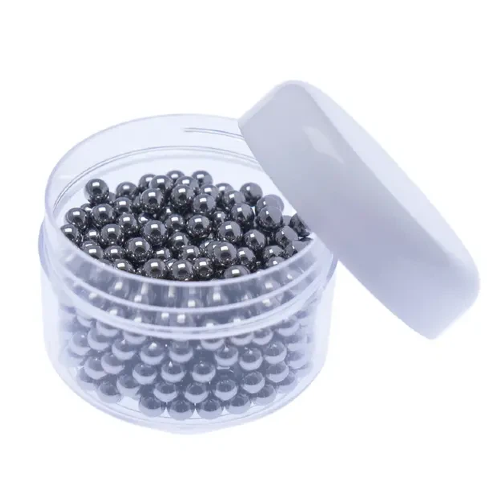
The balls are typically packaged in sealed containers or plastic bags to keep them free from dirt and moisture. Special care is taken to prevent any surface contact that could cause scratching or other damage.
Delivery Logistics
Finally, the bearing steel balls are prepared for delivery to customers. Efficient delivery logistics are essential to ensure that the products reach their destination on time and in perfect condition. Many manufacturers offer international shipping to meet the needs of a global market.
10. Conclusion
The manufacturing process of bearing steel balls involves a series of precise steps, each ensuring that the final product meets the rigorous standards necessary for industrial applications. From selecting the finest raw materials to meticulous final inspections, every stage is crucial in producing high-quality bearing steel balls that contribute to the efficiency and reliability of modern machinery. Precision is at the core of our production process, guaranteeing durable and performance-driven products for a wide range of industries.
At Ningyang Qisheng Industry and Trade Co., Ltd., we are committed to delivering superior bearing steel balls that meet international quality standards. With our stringent manufacturing protocols and quality control, we ensure that each bearing steel ball performs reliably in diverse applications, from automotive to aerospace. We invite you to reach out to us for more information or to discuss how our high-precision bearing steel balls can enhance the performance of your machinery. Our team is here to provide expert guidance and solutions tailored to your specific needs.
11. FAQ
What materials are used in the manufacturing of bearing steel balls?
Bearing steel balls are primarily made from high-carbon steel and chromium, with small amounts of other alloys like manganese and silicon for increased strength and wear resistance.
How is precision achieved in the manufacturing process of bearing steel balls?
Precision is achieved through careful wire drawing, rolling, grinding, and lapping, with rigorous quality control to meet exact dimensions and tolerances.
What is the role of heat treatment in the manufacturing of bearing steel balls?
Heat treatment enhances the hardness and wear resistance of bearing steel balls, ensuring that they can withstand high stresses and maintain their performance in demanding environments.
Why is quality control important in bearing steel ball production?
Quality control ensures that the bearing steel balls meet the required standards for size, roundness, hardness, and surface finish, making them suitable for use in precision machinery.
How are bearing steel balls packaged for delivery?
Bearing steel balls are carefully packaged in sealed containers to protect them from dirt, moisture, and physical damage during transport.


