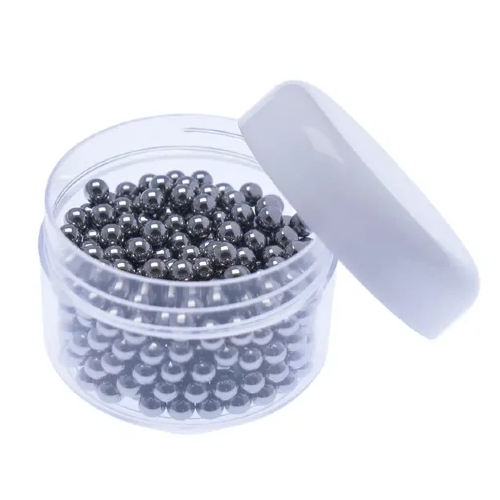
Bearing steel balls are essential components in various industries, particularly in automotive and aerospace applications. Their precision, durability, and performance in high-stress conditions make them indispensable in these sectors, where efficiency, reliability, and safety are paramount. This article explores why bearing steel balls are so critical to these industries, highlighting their roles in crucial systems, the properties that make them ideal for automotive and aerospace applications, and the manufacturing processes that ensure their quality.
1. The Role of Bearing Steel Balls in Automotive Applications
Automotive Industry Overview
The automotive industry is one of the largest users of bearing steel balls. Modern vehicles depend heavily on mechanical systems that require smooth movement, reduced friction, and long-lasting performance. Bearing steel balls are a crucial component in various automotive systems, from wheel bearings to engine components. Without them, automotive systems would suffer from increased wear, friction, and ultimately, reduced performance.
Applications of Bearing Steel Balls in Automotive Systems
In the automotive sector, bearing steel balls are used in a wide array of systems, including:
Wheel Bearings: Wheel bearings are one of the most common applications for bearing steel balls. These components allow the wheels of a vehicle to rotate smoothly while supporting the weight of the car and handling the stress from turning. High-quality bearing steel balls ensure low friction and minimal wear, improving vehicle performance and extending the lifespan of the wheels.
Transmission Systems: Bearing steel balls are also used in automotive transmissions, where they help reduce friction between moving parts. Their role in ensuring smooth shifting and minimal wear is critical for the performance and durability of the transmission system.
Steering Mechanisms: In steering systems, bearing steel balls are used to enable smooth, precise motion when the driver turns the steering wheel. They ensure that the steering mechanism operates efficiently, contributing to safe and responsive handling.
Engines: Bearing steel balls are used in engine components such as camshafts and crankshafts, where they help reduce friction and improve the overall efficiency of the engine.
Precision and Durability Needs
In the automotive industry, bearing steel balls must meet very high standards for precision and durability. The conditions in which these balls operate are demanding, often involving high speeds, varying loads, and exposure to extreme temperatures. As a result, bearing steel balls in automotive systems must be hard, wear-resistant, and able to maintain their shape and performance over long periods.
Application | Function | Critical Property Required |
Wheel Bearings | Reduce friction, support wheel rotation | Durability, Low Friction |
Transmission Systems | Ensure smooth shifting, reduce friction | Precision, High Hardness |
Steering Mechanisms | Enable smooth motion in steering system | Precision, Smooth Finish |
Engines (Camshaft/Crankshaft) | Reduce friction, improve engine efficiency | Wear Resistance, Precision |
2. Bearing Steel Balls in Aerospace: Ensuring Safety and Efficiency
Aerospace Industry Overview
The aerospace industry demands components that can withstand extreme conditions, such as high speeds, intense pressures, and extreme temperatures. Bearing steel balls are a critical part of many aerospace systems, ensuring smooth operation, reliability, and safety. In this sector, performance and safety are paramount, and any failure in components like bearings can result in catastrophic consequences.
Applications of Bearing Steel Balls in Aerospace Systems
In the aerospace sector, bearing steel balls are used in a variety of critical systems, including:
Jet Engines: In jet engines, bearings are essential for supporting rotating parts, such as the compressor and turbine shafts. The high-speed rotation and extreme temperatures in jet engines place immense stress on bearings, and bearing steel balls are chosen for their ability to withstand these harsh conditions without failing.
Control Systems: Bearing steel balls are used in aerospace control systems, such as rudders and ailerons, to ensure smooth, responsive movement. These systems must be highly precise to ensure the aircraft operates safely and efficiently.
Landing Gear: The landing gear of an aircraft relies on bearing steel balls for smooth operation during takeoff and landing. These balls help reduce friction and wear, ensuring that the landing gear remains functional throughout its lifespan.
Auxiliary Systems: Other auxiliary systems, such as pumps, actuators, and valves, also rely on bearing steel balls to maintain smooth and reliable operation.
Precision and Reliability
The critical nature of aerospace systems requires bearing steel balls to be manufactured to the highest levels of precision. They must perform reliably under extreme conditions, including high velocities, high altitudes, and fluctuating temperatures. The ability of bearing steel balls to function smoothly and efficiently in such environments is what makes them indispensable in the aerospace sector.
Application | Function | Critical Property Required |
Jet Engines | Support rotating shafts, reduce friction | High Temperature Resistance, Precision |
Control Systems | Ensure smooth and precise movement of controls | Precision, Reliability |
Landing Gear | Smooth operation during takeoff and landing | Durability, Low Friction |
Auxiliary Systems | Reduce friction in pumps, actuators, and valves | High Precision, Wear Resistance |
3. Key Properties of Bearing Steel Balls that Benefit Both Industries
High Hardness and Wear Resistance
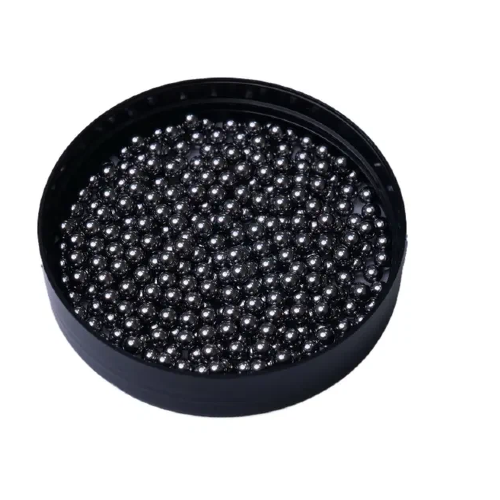
One of the most critical properties of bearing steel balls is their hardness. Bearing steel balls are made from high-carbon chromium steel or other alloys, which are heat-treated to achieve high hardness levels. This hardness allows them to withstand high pressures and resist wear, ensuring long-lasting performance in both automotive and aerospace systems.
In automotive and aerospace applications, bearing steel balls must endure constant motion, heavy loads, and varying speeds. Without high hardness, the balls would wear down quickly, leading to increased friction, inefficiency, and premature failure of the system.
Surface Finish and Smoothness
The surface finish of bearing steel balls plays a significant role in their performance. A smooth surface reduces friction, which is crucial in both automotive and aerospace systems. Friction leads to heat generation and energy loss, which can degrade system performance and reduce the lifespan of components.
In aerospace applications, smooth surfaces are especially important because they help reduce the wear and tear that could occur in high-speed environments. In automotive systems, smooth surfaces allow for efficient power transmission, smooth handling, and reduced wear on surrounding components.
Dimensional Precision
Bearing steel balls must be manufactured to precise dimensions to ensure that they fit correctly into their corresponding bearing races. The correct fit ensures smooth operation and reduces the risk of damage to surrounding components. Dimensional accuracy is critical for the proper functioning of the bearing system and for reducing maintenance costs.
Property | Importance for Automotive Applications | Importance for Aerospace Applications |
High Hardness | Withstands heavy loads, reduces wear | Resists extreme temperatures, high loads |
Surface Finish | Reduces friction, improves system efficiency | Ensures smooth motion, reduces wear |
Dimensional Precision | Ensures correct fit, reduces wear | Ensures smooth operation, prevents failure |
4. Manufacturing Bearing Steel Balls for Automotive and Aerospace
Material Selection
To meet the demanding requirements of the automotive and aerospace industries, bearing steel balls are typically made from high-carbon steel or chromium-alloyed steel. These materials are carefully selected to provide the necessary hardness, durability, and resistance to wear.
The material is then subjected to heat treatment processes that increase its hardness and improve its mechanical properties. Chromium and other alloying elements help improve corrosion resistance and ensure that the bearing steel balls maintain their strength even in harsh environments.
Manufacturing Processes
The manufacturing process for bearing steel balls typically involves several key steps, including:
Wire Drawing: The raw material is drawn into wire, which is then cut into smaller pieces for shaping.
Rolling and Shaping: The wire is rolled into spherical shapes, and the size and precision are adjusted.
Grinding and Lapping: The surface of the balls is ground and polished to achieve the desired smoothness and precision.
Heat Treatment: The balls are heat-treated to achieve high hardness and wear resistance.
Inspection: Each ball is carefully inspected to ensure it meets the required dimensional, surface, and hardness standards.
Quality Control
Given the critical applications in which bearing steel balls are used, quality control is an essential part of the manufacturing process. Each ball must be carefully inspected to ensure it meets the required standards for hardness, surface finish, and dimensional accuracy. Quality control ensures that the bearing steel balls perform optimally and safely in automotive and aerospace systems.
5. The Impact of Bearing Steel Balls on Performance and Safety
Enhancing Performance
Bearing steel balls play a crucial role in enhancing the performance of both automotive and aerospace systems. By reducing friction and improving efficiency, these small components ensure that systems operate smoothly, with minimal energy loss and reduced wear. Whether it's the engine of a car or the jet engine of an aircraft, bearing steel balls are essential for maximizing performance.
Safety Considerations
In both the automotive and aerospace industries, safety is paramount. Bearing steel balls contribute to safety by ensuring that mechanical systems operate reliably and efficiently. In aerospace, for example, the failure of a bearing can lead to catastrophic consequences. By using high-quality bearing steel balls, manufacturers ensure that their systems perform safely and consistently under extreme conditions.
6. Conclusion
Bearing steel balls are indispensable components in the automotive and aerospace industries, playing a crucial role in reducing friction, enhancing efficiency, and ensuring the reliability of modern machinery. From the demanding environments of jet engines to the routine operation of automobiles, bearing steel balls are essential for maintaining optimal performance and safety. Their high hardness, exceptional wear resistance, precision, and smooth surface make them vital in high-performance applications across both sectors.
At Ningyang Qisheng Industry and Trade Co., Ltd., we specialize in providing high-quality bearing steel balls designed to meet the rigorous standards of the automotive and aerospace industries. Our products are engineered to deliver superior performance, durability, and precision, ensuring the smooth and efficient operation of your systems. Whether you’re in need of custom solutions or standard bearings, we are here to help. We invite you to get in touch with us for more information or to discuss how our bearing steel balls can enhance the performance and reliability of your machinery. Our team is ready to assist you with expert guidance tailored to your specific requirements.
7. FAQ
What are the main applications of bearing steel balls in the automotive industry?
Bearing steel balls are used in wheel bearings, transmission systems, steering mechanisms, and engine components, providing smooth movement and reducing friction.
How do bearing steel balls contribute to the performance of aerospace systems?
In aerospace systems, bearing steel balls are used in jet engines, control systems, and landing gear, where they help reduce friction and ensure smooth, reliable operation under extreme conditions.
Why is precision so important for bearing steel balls in the automotive and aerospace industries?
Precision ensures that bearing steel balls fit perfectly in their bearings, reducing friction, enhancing efficiency, and preventing wear and tear on critical components.
What properties of bearing steel balls make them ideal for automotive and aerospace applications?
High hardness, wear resistance, a smooth surface finish, and dimensional accuracy are essential for ensuring optimal performance and longevity in both automotive and aerospace systems.
How are bearing steel balls manufactured for automotive and aerospace applications?
The manufacturing process involves wire drawing, rolling, grinding, lapping, heat treatment, and rigorous inspection to ensure the precision and durability required for automotive and aerospace systems.


