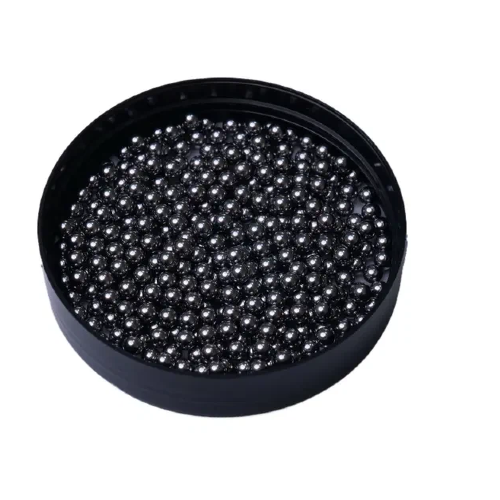
Precision bearing steel balls are integral components in a wide variety of machinery and equipment. These small yet highly significant components are utilized in industries such as automotive, aerospace, and industrial machinery, where they reduce friction, improve efficiency, and ensure smooth operation. Without high-quality bearing steel balls, many machines would experience higher wear and tear, leading to reduced performance and higher maintenance costs.
Understanding the factors that influence the cost of precision bearing steel balls is crucial for businesses that rely on these components. It allows engineers, manufacturers, and procurement professionals to make well-informed decisions that balance cost-effectiveness with performance. This article will explore the five primary factors that affect the pricing of bearing steel balls, helping readers understand how material, manufacturing, precision, quantity, and supplier location play vital roles in determining the overall cost.
1. Material Quality
The material quality used in manufacturing bearing steel balls is one of the most significant factors influencing their price. The quality of the steel—its composition, purity, and the alloying elements—directly impacts its durability, wear resistance, and overall performance. High-quality steel provides superior mechanical properties, allowing the balls to withstand higher stresses, reduce friction, and last longer in demanding applications.
Common Materials Used for Bearing Steel Balls
Material |
Composition |
Applications |
Cost Influence |
AISI 52100 |
High carbon, chromium steel |
Bearings, automotive, machinery |
High quality, moderate cost |
GCr15 |
Chromium steel, high hardness and wear resistance |
Precision bearings, industrial use |
Moderate quality, affordable |
Stainless Steel |
Iron, chromium, nickel, and other elements |
Corrosion-resistant applications |
Higher cost due to corrosion resistance |
Chrome Steel |
Chromium and carbon steel |
Bearings, automotive, aerospace |
Affordable but lower performance compared to stainless steel |
Impact of Material Quality on Cost
The primary materials used for bearing steel balls include AISI 52100, GCr15, and stainless steel. Among these, AISI 52100 is considered the industry standard for high-performance bearing applications. It is a high-carbon, chromium-alloyed steel known for its superior hardness, wear resistance, and fatigue strength. Due to these enhanced properties, it is often used in demanding applications where reliability and longevity are crucial. However, the use of AISI 52100 increases the overall cost due to the higher price of raw materials and the added processing required to achieve the desired hardness.
GCr15, another popular material for bearing steel balls, offers a more cost-effective option. It is a high-carbon, chromium steel that provides excellent wear resistance and sufficient hardness for many standard applications. GCr15 is commonly used for bearings in less critical applications where cost-saving is a priority without compromising too much on quality.
Stainless steel, which is used in environments requiring resistance to corrosion, typically has a higher cost. The material’s composition includes chromium and nickel, which contribute to its corrosion-resistant properties but also increase the raw material costs. Stainless steel bearing balls are typically chosen for industries such as food processing, pharmaceuticals, and marine environments where corrosion resistance is more important than the hardness of the material.
Thus, the material choice is a crucial factor in determining the cost of bearing steel balls. Higher-grade materials such as AISI 52100 come with higher prices due to their superior mechanical properties.
2. Manufacturing Process
The manufacturing process used to produce precision bearing steel balls involves a number of complex steps, each of which impacts the final product's cost. The steps include cold heading, heat treatment, grinding, polishing, and quality control. Each of these processes requires specialized machinery and expertise, and the more intricate and precise the process, the higher the cost.
Key Manufacturing Steps for Bearing Steel Balls
Cold Heading: This is the initial process where steel wire is shaped into rough ball forms. Using a high-pressure machine, steel wire is forced into dies to create the general spherical shape of the steel balls. The cold heading process is essential for reducing the overall material wastage and speeding up production.
Heat Treatment: After the steel balls are shaped, they are heat-treated to enhance their hardness and wear resistance. This step involves heating the balls to high temperatures and then rapidly cooling them, which alters the crystalline structure of the steel and increases its hardness.
Grinding and Polishing: The heat-treated balls are then ground to the desired size and precision. This step is critical to achieve the necessary tolerance and smoothness for the bearing balls. The grinding process removes any rough edges or imperfections, ensuring a high degree of roundness. The polishing step further enhances the surface finish, making the balls smoother and improving their performance.
Quality Control and Inspection: Finally, the balls undergo stringent quality control measures. Each ball is checked for hardness, roundness, surface finish, and other critical dimensions. Automated and manual inspections are performed to ensure that the balls meet the specified tolerances.
How Manufacturing Process Affects Cost
Manufacturing Step |
Description |
Impact on Cost |
Cold Heading |
Shaping steel wire into ball form |
Moderate cost increase due to high-pressure machinery |
Heat Treatment |
Enhancing hardness and wear resistance |
Adds cost but is essential for durability and performance |
Grinding and Polishing |
Achieving high precision and smooth surfaces |
Significant cost due to precision machinery and time |
Quality Control |
Inspecting for defects and precision |
Final checks add to the labor cost but ensure quality |
The grinding and polishing steps significantly impact the cost of bearing steel balls because they involve the use of high-precision equipment that operates at slower speeds to ensure accuracy. The longer the time spent on these steps, the more expensive the production becomes. Furthermore, quality control processes, while necessary for ensuring that the balls meet strict industry standards, also contribute to the cost due to labor and equipment requirements.
3. Size and Precision Tolerance
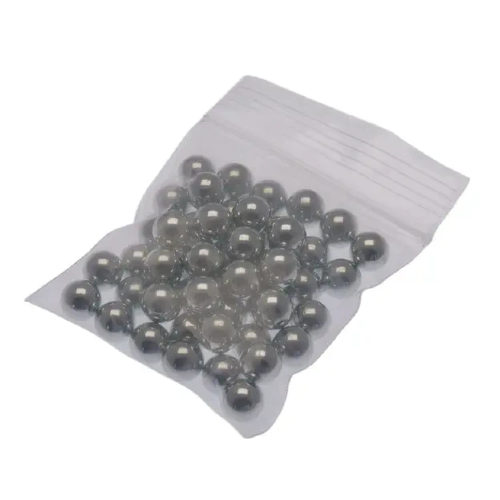
The size and precision tolerance of bearing steel balls are significant cost determinants. Smaller balls require less raw material and are generally less expensive to manufacture. However, larger balls require more material and more time during production, resulting in higher costs. Precision is also a major factor. Higher precision balls with tighter tolerances require more advanced equipment and skilled labor to produce, adding to the final cost.
Influence of Size on Cost
Size Range (mm) |
Common Applications |
Cost Influence |
1mm to 10mm |
Precision bearings, medical equipment |
Lower cost due to smaller material use |
10mm to 50mm |
Automotive, machinery, larger bearings |
Moderate cost due to higher material use |
Above 50mm |
Heavy machinery, aerospace |
High cost due to large size and complex processing |
Smaller bearings are generally easier and quicker to manufacture, meaning they can be produced at a lower cost. However, larger bearings, such as those used in heavy machinery and aerospace, require more material and precision, which significantly increases the cost of production.
Impact of Precision Tolerance on Cost
The precision required for bearing steel balls is often categorized by tolerance grades such as G10, G25, and G100. The tighter the tolerance, the more precise the machining and manufacturing process must be, resulting in increased production costs. Balls with G10 tolerance are extremely precise and are generally used in high-performance applications. These balls are carefully ground and polished to achieve extremely tight tolerances, adding to the production cost.
Tolerance Grade |
Description |
Cost Influence |
G10 |
High precision, tightest tolerances |
Significant increase in cost |
G25 |
Standard precision for most bearings |
Moderate cost increase |
G100 |
Lower precision for less demanding applications |
Lower cost |
4. Quantity and Order Size
The quantity and order size significantly affect the cost of bearing steel balls. When purchasing in bulk, the cost per unit generally decreases due to the economies of scale. Large-scale orders allow suppliers to streamline production, reduce overhead costs, and offer discounts, resulting in a lower per-unit price.
Impact of Order Size on Cost
Order Size |
Cost Per Unit |
Cost Impact |
Small Orders |
Higher per unit price |
Low volume increases individual unit cost |
Large Orders |
Lower per unit price |
Bulk purchasing significantly reduces per unit cost |
Suppliers can produce large quantities of bearing steel balls in a single production run, which reduces setup times and material wastage. These efficiencies contribute to a lower cost per unit for customers who purchase in bulk.
5. Supplier and Geographical Location
The supplier’s location and the geographical distance between the supplier and buyer can affect the cost of bearing steel balls. Suppliers in certain regions may have lower labor costs or fewer regulatory burdens, resulting in lower prices. On the other hand, shipping costs and lead times are also influenced by geographical factors.
Influence of Geographical Factors on Cost
Geographical Factor |
Cost Impact |
Explanation |
Domestic Suppliers |
Lower shipping costs |
Shorter delivery times and reduced shipping fees |
International Suppliers |
Higher shipping costs |
Longer delivery times and higher logistics expenses |
Regulated Regions |
Higher costs due to compliance |
Stricter regulations can increase costs for manufacturing |
Suppliers in regions with high operational costs, such as North America or Europe, often pass those costs onto customers. Additionally, international orders may incur higher shipping fees and longer lead times, making the overall cost higher.
6. Conclusion
The cost of precision bearing steel balls is shaped by several key factors, including material quality, manufacturing processes, size, precision tolerance, order quantity, and supplier location. Understanding these factors is crucial for businesses to make informed purchasing decisions, ensuring they select products that meet both performance and budgetary needs. By evaluating the material type, manufacturing complexity, and order size, companies can optimize their expenses without compromising on quality.
At Ningyang Qisheng Industry and Trade Co., Ltd., we specialize in providing high-quality bearing steel balls that meet stringent standards for various industrial applications. Our team is dedicated to offering precise solutions that balance cost-effectiveness with superior performance. Whether you need small or large quantities, our expertise ensures you get the best value while maintaining the reliability of your machinery. We invite you to get in touch with us to discuss how our products can enhance the efficiency and durability of your systems. Our team is ready to assist you in choosing the perfect bearing steel balls for your needs.
7. FAQ
What materials are used to make precision bearing steel balls?
The most common materials include AISI 52100, GCr15, and stainless steel, each offering different levels of hardness, wear resistance, and corrosion resistance, impacting their price accordingly.
How does manufacturing precision affect the price of bearing steel balls?
Tighter tolerances and more precise manufacturing techniques increase the production cost due to the time, machinery, and expertise required to achieve high accuracy.
Why do large orders of bearing steel balls cost less?
Larger orders benefit from economies of scale, where suppliers reduce setup times and material wastage, thereby lowering the cost per unit.
What is the difference between low and high-quality bearing steel balls?
High-quality bearing steel balls, typically made from superior materials like AISI 52100, offer better performance and durability, thus commanding a higher price compared to more basic materials like GCr15.
How do geographical factors influence the cost of bearing steel balls?
Suppliers in regions with higher labor costs or stringent regulations typically charge higher prices. Additionally, shipping costs and delivery times vary depending on the geographical distance between the buyer and supplier.


