Are you aware that proper maintenance can significantly extend the life of carbon steel balls? These versatile components are essential in various industries, from manufacturing to automotive. In this article, we’ll explore key maintenance tips to enhance their performance and longevity. You’ll learn about storage, lubrication, cleaning, and rust prevention strategies.
Understanding Carbon Steel Balls
What Are Carbon Steel Balls?
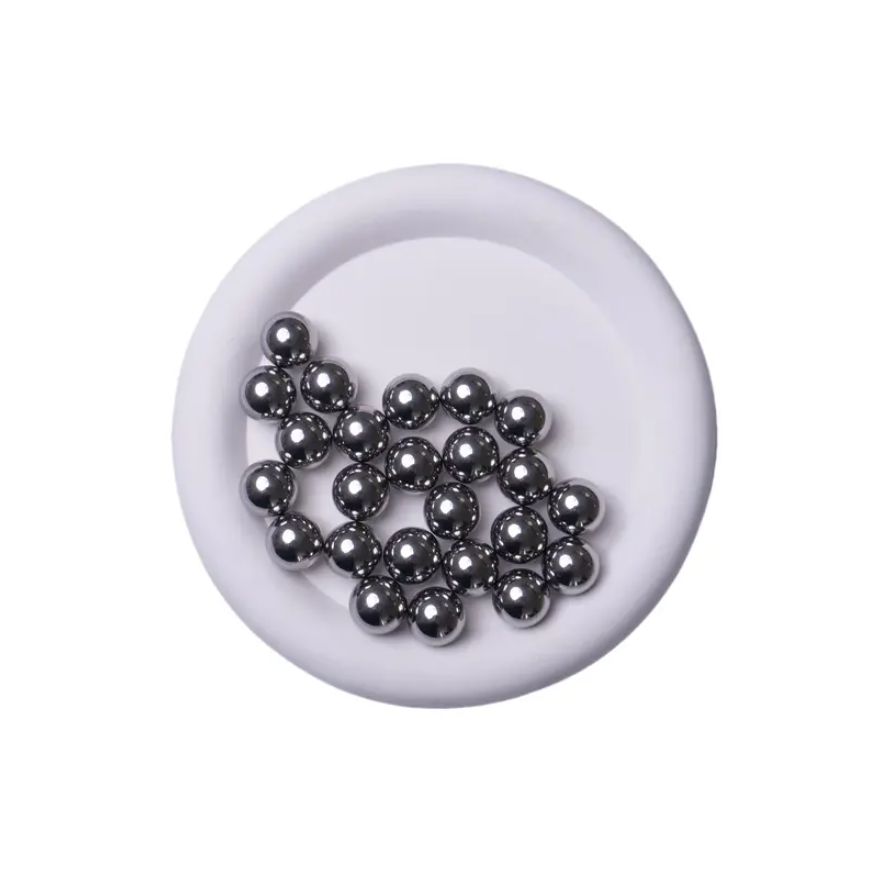
Carbon steel balls are small, spherical components made primarily from carbon steel. They are known for their excellent durability and cost-effectiveness. Typically, these balls contain a specific percentage of carbon, which enhances their hardness and strength. This unique composition allows them to withstand significant wear and tear, making them ideal for various applications.
Key Characteristics:
● Durability: They resist deformation and damage, ensuring long-lasting performance.
● Cost-Efficiency: Compared to other materials, carbon steel is often more affordable, making it a popular choice.
● Surface Performance: The smooth surface of carbon steel balls reduces friction, improving efficiency.
● Magnetic Properties: These balls can be magnetized, which is beneficial in specific industrial applications.
● Hardness: With high hardness levels, they can endure heavy loads and high speeds.
Applications of Carbon Steel Balls
Carbon steel balls find use in numerous sectors, each benefiting from their unique properties. Here are some key applications:
Industrial Machinery
In industrial settings, these balls play a crucial role. They are commonly found in:
● Bearings: Ensuring smooth rotation and reducing friction.
● Pulleys: Helping in the efficient transfer of power.
● Sliding Rails: Providing support and reducing wear.
● Conveyors: Facilitating the movement of materials.
Automotive Sector
The automotive industry heavily relies on carbon steel balls for their robust performance. They are integral to:
● Drive Systems: Ensuring reliable power transmission.
● Semi-Precision Bearings: Supporting various moving parts in vehicles.
Consumer Goods
You may not realize it, but carbon steel balls are present in many everyday items, such as:
● Bicycles: Used in bearings for smooth rides.
● Roller Skates: Providing stability and performance.
● Luggage Wheels: Ensuring easy maneuverability.
● Toys: Non-toxic versions are safe for children.
Specialized Uses
Beyond common applications, carbon steel balls have specialized uses:
● High-Precision Grinding Balls: Essential for grinding processes in manufacturing.
● Outdoor Applications: Galvanized or plated versions resist rust, making them suitable for outdoor equipment.
● Military Equipment: Enhanced rust resistance is crucial for devices exposed to harsh conditions.
Visual Representation
Characteristic | Description |
Material | Carbon Steel |
Durability | High resistance to wear |
Cost | Generally more affordable than alternatives |
Applications | Industrial, automotive, consumer goods, specialized |
Understanding the properties and applications of carbon steel balls helps in recognizing their value across industries. Their versatility and efficiency make them indispensable components in many mechanical systems.
The Importance of Maintenance
Why Maintenance Matters for Carbon Steel Balls
Maintaining carbon steel balls is crucial for ensuring their longevity and optimal performance. Neglecting maintenance can lead to serious issues, including rust formation, increased wear, and overall performance decline. When these components are not cared for, their efficiency decreases, which can disrupt machinery and other systems relying on them.
Effects of Neglecting Maintenance:
● Rust Formation: Exposure to moisture can cause rust, leading to structural damage.
● Increased Wear: Without proper lubrication, friction rises, accelerating wear.
● Performance Decline: Degraded balls can result in malfunctioning equipment.
Cost Implications
Regular maintenance is not just about keeping components in good shape; it also has significant cost implications. Replacing damaged carbon steel balls can be much more expensive than performing routine maintenance. Consider the costs involved in downtime, labor, and purchasing new parts.
Cost Comparison:
Action | Estimated Cost |
Regular Maintenance | Minimal (lubricants, cleaning) |
Replacing Damaged Components | High (new parts, labor, downtime) |
Alternatives and Their Care
When comparing carbon steel balls to alternatives like bearing steel balls or stainless steel balls, maintenance becomes even more critical. While stainless steel offers better corrosion resistance, it often comes at a higher price point. Bearing steel balls may require similar care, but they can be less durable under certain conditions.
Comparison Highlights:
● Carbon Steel Balls: Cost-effective, but require regular maintenance to prevent rust and wear.
● Stainless Steel Balls: More resistant to corrosion, but pricier and may not be necessary for all applications.
● Bearing Steel Balls: Good for high-load applications, yet still need proper care to maintain performance.
Visual Representation
Ball Type | Durability | Cost | Maintenance Needs |
Carbon Steel Balls | Moderate | Low | High |
Stainless Steel Balls | High | High | Moderate |
Bearing Steel Balls | High | Moderate | High |
Understanding the importance of maintenance for carbon steel balls can save time and money. It ensures that your machinery runs smoothly and efficiently, avoiding costly replacements and downtimes. Proper care is essential for maximizing their lifespan and performance.
Maintenance Tips for Carbon Steel Balls
Storage and Packaging
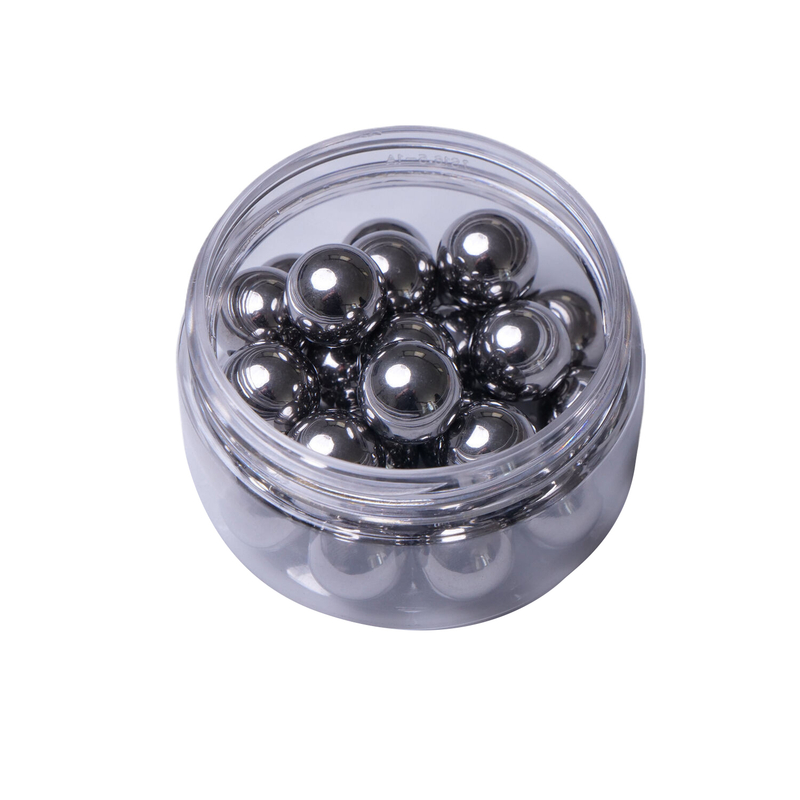
Proper storage and packaging of carbon steel balls are essential for preventing rust and ensuring longevity. First, using oil-based packaging can significantly reduce moisture exposure, which is a primary cause of rust. These oil-based solutions create a protective barrier, keeping the steel balls safe during storage.
Best Practices for Storing:
● Airtight Containers: Always use airtight containers to limit air and moisture contact.
● Humidity Control: Keeping humidity levels below 60% is crucial. This can be achieved through desiccants or humidity indicators.
Avoiding Corrosive Environments: Storing carbon steel balls near corrosive substances or in damp areas can lead to rapid deterioration. It’s wise to keep them away from chemicals and maintain a clean, dry storage area.
Routine Use and Care
When it comes to the routine use of carbon steel balls, regular maintenance is key. This includes lubrication, cleaning, and inspection practices that help maintain their performance.
Regular Lubrication: Using the right lubricants is vital. Recommended types include:
● Oil-Based Lubricants: These provide excellent protection against wear and rust.
● Frequency: Depending on usage intensity, lubrication should be done every few weeks to monthly.
Cleaning Procedures: Cleaning carbon steel balls is necessary to remove contaminants. Use solvents like mineral spirits or mild detergents. It's important to ensure all residues are removed to prevent rust formation.
Inspection Practices: Regular inspections can help catch issues early. Look for signs of rust or surface damage. If small rust patches are found, they can often be cleaned with fine steel wool, followed by reapplying lubricant for protection.
Assembly and Environmental Control
When assembling carbon steel balls into machinery, consider compatibility with other materials. Avoiding galvanic corrosion is essential, as it can occur when dissimilar metals are paired together.
Managing Harsh Environments: For operations in harsh conditions, consider using dehumidifiers or exhaust systems to control moisture. Additionally, using plated carbon steel balls can enhance resistance to rust, especially in outdoor applications. Applying anti-corrosive paint to surrounding components can further protect against environmental damage.
Rust Treatment and Prevention
Identifying rust on carbon steel balls early can prevent more significant issues down the line. Signs of rust include discoloration or a rough texture. When rust appears, it’s crucial to act quickly.
Treatment Options for Rust:
● Polishing Techniques: Use fine abrasives to gently polish rusted areas.
● Replacement Considerations: If the damage is extensive, replacing the carbon steel balls may be necessary to avoid compromising machinery performance.
Visual Representation
Maintenance Task | Recommended Action |
Storage | Use oil-based packaging and airtight containers. |
Lubrication | Apply oil-based lubricants regularly. |
Cleaning | Clean with mineral spirits; remove contaminants. |
Inspection | Check for rust and surface damage regularly. |
Rust Treatment | Polish rusted areas; consider replacement if necessary. |
By following these maintenance tips, you can ensure the longevity and performance of carbon steel balls in various applications. Proper care not only enhances their lifespan but also optimizes the efficiency of the machinery they are part of.
Competitor Comparison
When selecting the right materials for various applications, comparing carbon steel balls to alternatives is essential. Each type of ball has its own set of advantages and disadvantages, making it crucial to understand these differences.
Comparing Carbon Steel Balls with Alternatives
Bearing Steel Balls
Bearing steel balls are known for their exceptional hardness and wear resistance. This makes them ideal for high-load applications where durability is critical. However, this strength comes at a price.
● Advantages:
○ Higher Hardness: They withstand significant stress without deforming.
○ Better Wear Resistance: This property extends their lifespan in demanding environments.
● Disadvantages:
○ Higher Cost: The manufacturing process and materials lead to increased expenses.
○ Over-Specification: For low-intensity applications, bearing steel may be unnecessarily robust, leading to inefficiencies.
Stainless Steel Balls
Stainless steel balls are often praised for their corrosion resistance, making them suitable for environments where moisture and chemicals are present. However, their cost can be prohibitive.
● Advantages:
○ Excellent Corrosion Resistance: They maintain integrity in harsh conditions, preventing rust and degradation.
● Disadvantages:
○ Significantly Higher Cost: Compared to carbon steel, the price can be substantially higher.
○ Lower Cost-Efficiency: In non-corrosive scenarios, the benefits may not justify the expense.
Copper and Aluminum Balls
Copper and aluminum balls offer unique benefits, particularly in terms of weight and conductivity. They are lighter than steel, which can be advantageous in certain applications.
● Advantages:
○ Lighter Weight: This can lead to reduced energy consumption in some systems.
○ Better Electrical Conductivity: Ideal for applications requiring efficient electrical transfer.
● Disadvantages:
○ Far Lower Hardness: These materials do not withstand wear as well as steel.
○ Poor Wear Resistance: They may require more frequent replacement in applications where friction is a concern.
Quick Comparison Table
Ball Type | Advantages | Disadvantages |
Carbon Steel Balls | Cost-effective; good strength | Susceptible to corrosion without care |
Bearing Steel Balls | Higher hardness; better wear resistance | Higher cost; over-specification |
Stainless Steel Balls | Excellent corrosion resistance | Significantly higher cost; lower cost-efficiency |
Copper Balls | Lighter weight; better electrical conductivity | Lower hardness; poor wear resistance |
Aluminum Balls | Lightweight; good conductivity | Low hardness; not suitable for high wear |
Understanding these comparisons helps in making informed decisions. Carbon steel balls offer a balance of cost and performance, while alternatives like bearing steel and stainless steel provide specific advantages at a higher price. Copper and aluminum balls serve niche applications where weight and conductivity are prioritized, but they may fall short in durability.
Conclusion
Maintaining carbon steel balls is essential for their longevity and performance. Key practices include regular lubrication, proper storage, and routine inspections. These steps help prevent rust and wear.
Regular maintenance ensures optimal functioning and extends service life. Proper care plays a crucial role in maintaining quality.
We encourage readers to share their experiences or tips on carbon steel ball maintenance. Your insights can help others improve their practices!


