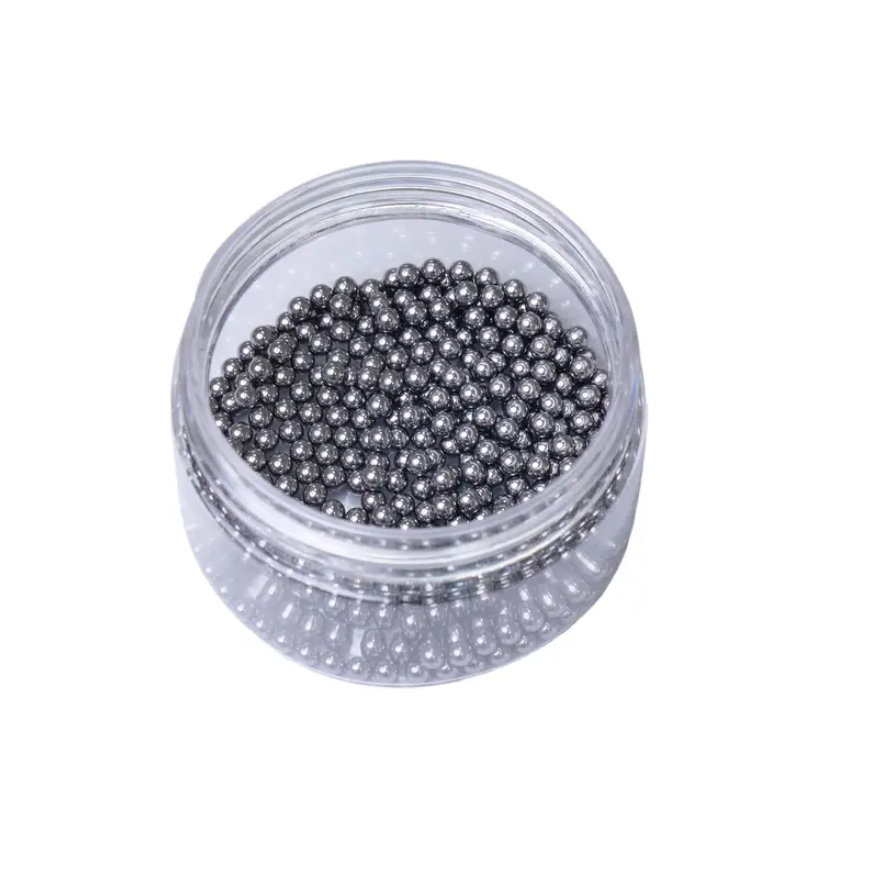
Have you ever wondered how tiny steel balls are made? Carbon steel balls play a crucial role in many industries, from automotive to manufacturing.
In this article, we’ll explore the entire manufacturing process, from raw materials to the final product. You’ll learn about their importance and diverse applications.
Understanding the Raw Materials Used in Carbon Steel Balls
The journey of creating carbon steel balls begins with selecting the right raw materials. The primary component is carbon steel wire rods, which are essential for producing high-quality steel balls.
Carbon Steel Wire Rods
Carbon steel wire rods are long, cylindrical pieces of steel. They are characterized by their carbon content, which significantly impacts their properties. The different grades of carbon steel can be classified into three main categories: low, medium, and high carbon.
Low-Carbon Grades
Low-carbon grades, such as AISI 1010, AISI 1015, and Q235, contain about 0.05% to 0.25% carbon. These grades are known for their excellent weldability and ductility, making them suitable for applications like automotive body parts and structural components. They are easy to form and shape, which is a big plus in manufacturing.
● Applications:
○ Automotive components
○ Structural parts
○ General fabrication
Medium-Carbon Grades
Medium-carbon grades, like AISI 1045, typically contain 0.25% to 0.60% carbon. This range strikes a balance between strength and toughness, making them ideal for load-bearing components. These grades are often used in applications requiring higher strength without sacrificing too much ductility.
● Applications:
○ Gears
○ Shafts
○ Heavy machinery parts
High-Carbon Grades
High-carbon grades, such as AISI 1065 and AISI 1085, contain over 0.60% carbon. They are known for their maximum hardness and wear resistance, which is crucial for high-stress applications. These materials are often used when durability and longevity are paramount.
● Applications:
○ Cutting tools
○ Springs
○ High-performance bearings
How Carbon Content Affects Properties
The carbon content in steel directly influences its final properties. Higher carbon levels typically result in increased hardness but reduced ductility. This means that while high-carbon steel can withstand wear and tear, it may be more brittle and prone to cracking under stress.
● Hardness: Higher carbon content leads to greater hardness, making the steel more resistant to deformation.
● Malleability: Lower carbon levels enhance malleability, allowing for easier shaping and forming.
● Applications: The choice of carbon grade will depend on the specific requirements of the application, balancing hardness and ductility as needed.
Understanding these raw materials is crucial in the manufacturing process of carbon steel balls. Each type of carbon steel serves a unique purpose, ensuring that the final product meets the demands of various industries. As we dive deeper into the manufacturing process, the significance of these materials will become even clearer.
The Step-by-Step Manufacturing Process of Carbon Steel Balls
Creating high-quality carbon steel balls involves several critical steps. Each phase is designed to ensure the final product meets industry standards and application needs.
Step 1: Raw Material Selection
The journey begins with selecting high-quality carbon steel wire rods. Choosing the right grade is essential, as it directly impacts the performance of the final product. Factors to consider include the specific application and desired properties, such as hardness and ductility.
Step 2: Initial Shaping (Blank Formation)
Once the materials are chosen, the initial shaping occurs. This process, known as blank formation, involves heating and forging the wire rods into rough spherical shapes. Techniques like hot forging are commonly used, where the heated rods are shaped under high pressure to form blanks.
Step 3: Heat Treatment for Performance Enhancement
Heat treatment is crucial for enhancing the performance of carbon steel balls. This process includes hardening and tempering.
● Hardening: This step involves heating the steel to a specific temperature and then rapidly cooling it. Hardening increases the hardness, making the balls more durable.
● Tempering: After hardening, the steel is reheated to a lower temperature, which improves toughness and reduces brittleness.
The hardness levels achieved can range from HRC 50 to HRC 66, depending on the desired characteristics of the final product.
Step 4: Precision Grinding and Polishing
Achieving strict dimensional standards is vital in this phase. Precision grinding and polishing ensure that the carbon steel balls meet required tolerances. Various tools and techniques are employed, including CNC machines, to grind the balls to the desired size and finish.
The balls are classified according to grades, such as G20, G100, G500, up to G1000, reflecting their precision and surface quality.
Step 5: Surface Coating (Optional but Common)
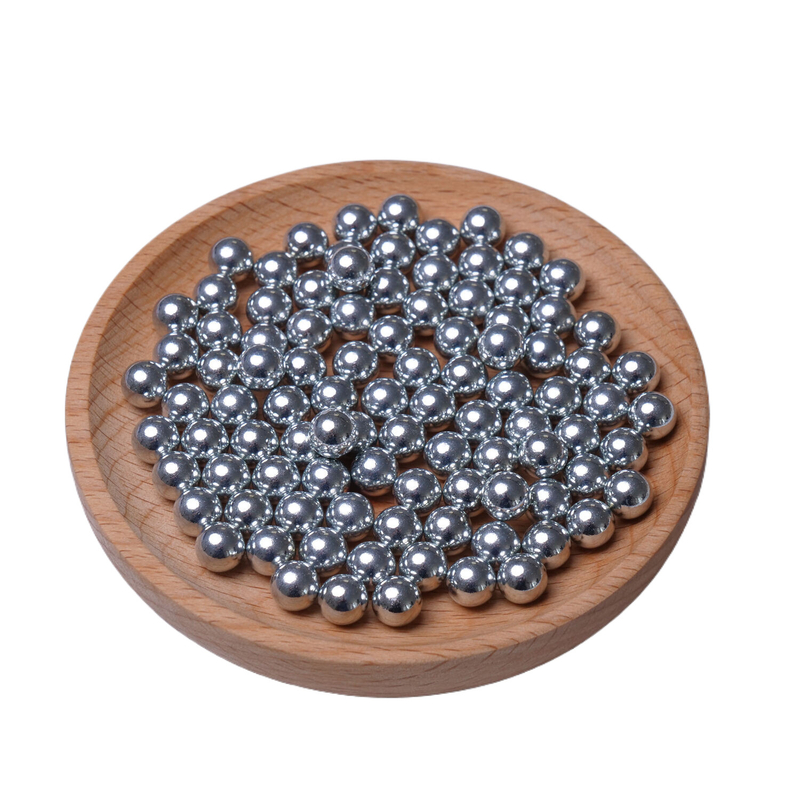
Surface coatings are often applied to enhance the properties of carbon steel balls. These coatings serve multiple purposes, including improving corrosion resistance and aesthetic appeal.
● Zinc Plating: Offers rust resistance, making it suitable for general industrial applications.
● Nickel Plating: Enhances corrosion resistance while providing a shiny finish.
● Chrome Plating: Provides superior hardness and scratch resistance, ideal for high-performance uses.
● Gold Plating: Though rare, it is used for decorative purposes or specialized electronic applications.
Step 6: Quality Inspection and Packaging
Finally, a thorough quality inspection ensures the balls meet all standards. Key tests focus on dimensional accuracy, surface quality, and mechanical properties. For example, G100 balls must have a diameter tolerance of ±0.005mm.
Packaging is also critical to prevent rust and damage during transportation. Methods include using oil-impregnated paper or sealed containers, ensuring the carbon steel balls arrive in perfect condition for use.
Key Attributes of Carbon Steel Balls
Carbon steel balls are a staple in various industries, thanks to their unique attributes. These features set them apart from other materials, making them a preferred choice for many applications.
Cost-Efficiency
One of the most compelling reasons to choose carbon steel balls is their cost-effectiveness. Compared to materials like stainless steel, carbon steel offers a more budget-friendly option without compromising on quality. For instance, while stainless steel may provide enhanced corrosion resistance, carbon steel balls deliver excellent performance at a significantly lower price point. This affordability makes them ideal for large-scale manufacturing and industrial applications.
High Load-Bearing Capacity
Carbon steel balls are known for their impressive load-bearing capabilities. Their strength allows them to withstand significant stress, making them suitable for a range of applications. From automotive components to industrial machinery, these balls can handle high loads effectively. This characteristic is particularly beneficial in scenarios where durability and reliability are crucial.
Wear Resistance
Another standout feature of carbon steel balls is their wear resistance, which is significantly enhanced through heat treatment. This process not only increases hardness but also improves the overall durability of the balls. As a result, they perform exceptionally well in high-friction environments, reducing the frequency of replacements and maintenance costs.
Versatility
Carbon steel balls are incredibly versatile, available in various sizes, from as small as 0.5mm to as large as 3 inches (or up to 50mm for specialized orders). This range allows them to cater to diverse applications, whether in precision instruments or heavy machinery. Additionally, they come in different grades, ensuring that there’s a suitable option for every specific need.
Magnetism
The magnetic properties of carbon steel balls offer unique advantages in certain applications. Their magnetism can be beneficial in industrial settings where magnetic attraction is required, such as in separation processes or magnetic bearings. This feature adds another layer of functionality, making carbon steel balls even more appealing for various uses.
In summary, the attributes of carbon steel balls—cost-efficiency, high load-bearing capacity, wear resistance, versatility, and magnetism—make them a top choice across multiple industries. Their performance and affordability ensure they remain a vital component in manufacturing and engineering solutions.
Competitive Comparison: Carbon Steel Balls vs. Alternatives
When considering options for industrial applications, carbon steel balls often come into play. To make an informed decision, it's important to compare them with popular alternatives like stainless steel balls and bearing steel balls (GCr15). Each material has its advantages and disadvantages, depending on the specific needs of the application.
Comparison with Stainless Steel Balls
Cost
Carbon steel balls are generally more affordable than stainless steel balls. This cost-effectiveness makes them a popular choice for large-scale operations where budget constraints are a concern.
Hardness
In terms of hardness, carbon steel typically offers high hardness levels, especially after heat treatment. Stainless steel, while also hard, may not reach the same levels of hardness as carbon steel in certain grades. This difference can influence their performance in high-stress applications.
Corrosion Resistance
Stainless steel excels in corrosion resistance due to its chromium content, making it ideal for environments exposed to moisture or chemicals. On the other hand, carbon steel is more susceptible to rust if not properly treated or coated. This factor is crucial when choosing materials for applications in harsh environments.
Ideal Applications
● Carbon Steel Balls: Often used in automotive components, machinery, and general industrial applications where cost and load-bearing capacity are priorities.
● Stainless Steel Balls: Preferred in food processing, medical devices, and any application requiring high corrosion resistance.
Comparison with Bearing Steel Balls (GCr15)
Similarities
Both carbon steel balls and bearing steel balls (GCr15) are known for their strength and durability. They are widely used in bearings and other applications requiring precision and reliability.
Differences in Performance
While GCr15 is designed specifically for bearing applications, offering superior wear resistance and fatigue strength, carbon steel balls can be more versatile in various settings. GCr15 balls are often more expensive due to their specialized manufacturing process, but they provide excellent performance in high-speed applications.
Applications
● Carbon Steel Balls: Suitable for general use in machinery and automotive parts.
● Bearing Steel Balls (GCr15): Ideal for high-performance bearings, automotive applications, and precision instruments.
Summary Table
Feature | Carbon Steel Balls | Stainless Steel Balls | Bearing Steel Balls (GCr15) |
Cost | Lower | Higher | Higher |
Hardness | High | Moderate to High | Very High |
Corrosion Resistance | Lower | High | Moderate |
Ideal Applications | General industrial use | Food, medical applications | Precision bearings |
By understanding these comparisons, you can better assess which type of ball is best suited for your needs. Each material has its unique strengths, and selecting the right one can significantly impact the performance and longevity of your applications.
Typical Applications of Carbon Steel Balls
Carbon steel balls play a vital role in various industries due to their strength, durability, and cost-effectiveness. Here’s a closer look at where these versatile components are commonly used.
Automotive Industry
In the automotive sector, carbon steel balls are essential for numerous applications. They are frequently found in bearings, which help reduce friction in moving parts, ensuring smooth operation. Additionally, these balls are used in drive systems to transfer power efficiently and in suspension parts to enhance vehicle stability and comfort. Their ability to withstand high loads makes them ideal for these critical functions.
Industrial Machinery
Carbon steel balls are also prevalent in industrial machinery. They serve crucial roles in casters, enabling smooth movement of heavy equipment. In conveyor wheels, these balls facilitate the transport of materials across production lines. Moreover, they are utilized in valve seats, contributing to the reliable operation of various fluid control systems. Their durability ensures longevity, even in demanding environments.
Construction and Outdoor Projects
In construction, carbon steel balls are integral to structural hardware. They provide strength and stability in applications like scaffolding and framework. In heavy-duty equipment, these balls are used to enhance performance and durability, making them perfect for cranes and excavators. Their resistance to wear and tear is particularly beneficial in outdoor settings where they are exposed to harsh conditions.
Consumer Goods
Even in everyday items, carbon steel balls have significant applications. They can be found in toys, providing movement and functionality in products like marbles and ball pits. In bicycle wheels, these balls help ensure smooth rides by reducing friction in the wheel hubs. Additionally, they are used in padlocks, where they contribute to security mechanisms.
Specialized Uses
Beyond common applications, carbon steel balls are employed in specialized fields. In the food industry, they act as grinding media for chocolate production, ensuring a smooth texture. They also play a role in mineral crushing, where their hardness aids in breaking down materials. In military equipment, these balls are used for precision components, while in the textile industry, they serve as rollers, enhancing production efficiency.
Summary Table of Applications
Industry | Application Examples |
Automotive | Bearings, drive systems, suspension parts |
Industrial Machinery | Casters, conveyor wheels, valve seats |
Construction | Structural hardware, heavy-duty equipment |
Consumer Goods | Toys, bicycle wheels, padlocks |
Specialized Uses | Grinding media, mineral crushing, military equipment parts |
The diverse applications of carbon steel balls highlight their importance across multiple sectors. Their unique properties make them indispensable in both industrial and consumer products.
Conclusion
The manufacturing process of carbon steel balls involves several key steps, from raw material selection to final production. These balls are known for their strength, durability, and cost-effectiveness.
Carbon steel balls are essential in various industries, including automotive, industrial machinery, and consumer goods. Their unique properties make them ideal for many applications.
Industries should consider using carbon steel balls for their reliability and performance. They offer significant advantages, ensuring efficiency in operations.
FAQ
Q: What are the environmental impacts of manufacturing carbon steel balls?
A: The manufacturing process can produce emissions and waste, but advancements aim to reduce environmental impact through cleaner technologies.
Q: How do I choose the right grade of carbon steel ball for my application?
A: Consider factors like load capacity, hardness, and corrosion resistance to select the appropriate grade for specific uses.
Q: What are the maintenance requirements for carbon steel balls?
A: Regular inspection and lubrication are essential to prevent rust and ensure optimal performance.
Q: Can carbon steel balls be recycled?
A: Yes, carbon steel balls can be recycled, making them an environmentally friendly option for many applications.


