Introduction
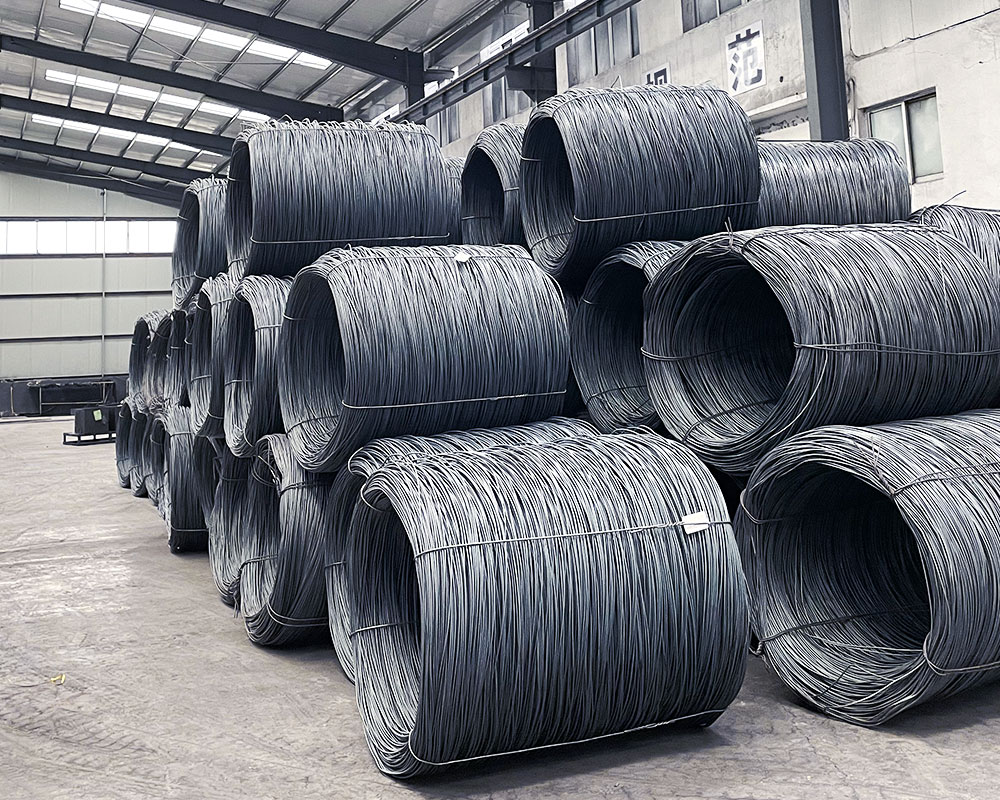
Many people wonder if 14 gauge steel wire is strong enough for various applications. Whether used in construction, fencing, or industrial contexts, the strength of the wire plays a key role in determining its suitability for the job. This article will examine the strength of 14 gauge steel wire, looking at factors such as its composition, coating, and gauge, which all contribute to its performance and durability.
What Makes 14 Gauge Steel Wire Strong?
The Galvanization Process
What is Galvanization?
Galvanization is the process of coating steel wire with a thin layer of zinc to protect it from rust and corrosion. During the process, the wire is dipped into a molten zinc bath, which forms a protective layer on the surface of the steel. This coating helps to prevent rust and damage from environmental factors like moisture, salt, and chemicals. Galvanized steel wire is commonly used in outdoor applications, where exposure to the elements is inevitable.
How Galvanization Contributes to Strength
The zinc coating on galvanized steel wire not only provides corrosion resistance but also contributes to the wire’s tensile strength. The zinc layer prevents moisture and other corrosive substances from coming into contact with the steel, thus preventing rust and corrosion that could otherwise weaken the wire. This extra protection allows galvanized steel wire to maintain its structural integrity over time, even when exposed to challenging environmental conditions. In addition, the coating provides mechanical protection, enabling the wire to handle more physical stress without degrading.
Process | Effect on Steel Wire |
Galvanization | Provides corrosion resistance and increases strength |
Zinc Coating | Shields against rust, enhancing durability and longevity |
Steel Wire Composition
Material Strength
14 gauge steel wire is made from high-quality steel that has been specially treated to increase its tensile strength. Tensile strength refers to the amount of force the wire can withstand before breaking. The steel composition is optimized for strength and durability, allowing it to withstand significant mechanical stress. The galvanization process adds an extra layer of protection, ensuring the wire maintains its strength even when exposed to corrosive elements.
Comparison to Other Steel Types
When compared to non-galvanized steel wire, galvanized steel wire is significantly stronger. The addition of the zinc coating allows the wire to withstand environmental stress better, making it more resistant to corrosion. Galvanized steel wire is typically more cost-effective than other high-strength wires, like stainless steel, making it an excellent option for projects requiring both strength and corrosion resistance.
Applications of 14 Gauge Steel Wire
Common Uses of 14 Gauge Steel Wire
Reinforcing Concrete and Tying Rebars
14 gauge steel wire plays an essential role in the construction industry, particularly in reinforcing concrete and tying rebars. Its tensile strength ensures it can hold the weight of heavy materials without snapping. This is crucial for ensuring the stability and strength of concrete structures. Galvanized 14 gauge steel wire is particularly beneficial in projects exposed to moisture, as the zinc coating helps prevent rust and corrosion, prolonging the wire’s life.
Other Construction Uses
In addition to reinforcing concrete, 14 gauge steel wire is used for a range of other construction tasks, such as creating suspended ceilings, lighting fixtures, and scaffolding components. The wire’s combination of strength and flexibility makes it an excellent choice for these applications. Whether securing heavy materials or supporting structural elements, 14 gauge steel wire is versatile and durable enough to handle various demands.
Application | Use Case | Benefits |
Reinforcing Concrete | Tying rebars, reinforcing structures | High tensile strength, corrosion resistance |
Suspended Ceilings | Supporting ceiling structures | Flexibility and durability |
Scaffolding Components | Providing structural support | Strong and reliable for heavy loads |
Agriculture and Fencing
Fencing and Securing Livestock
14 gauge steel wire is widely used in agriculture, particularly for creating fences to secure livestock. The wire’s strength is essential for maintaining secure boundaries and ensuring that it can withstand the pressure and stress from animals. The corrosion-resistant nature of galvanized steel makes it perfect for outdoor fencing applications, as it can endure exposure to the elements without deteriorating.
Supporting Crops and Trellis Systems
In addition to fencing, 14 gauge steel wire is used for supporting crops in agricultural settings. It’s an ideal material for creating trellis systems that help climbing plants such as grapes, tomatoes, and cucumbers grow. The wire’s flexibility and strength allow it to support plants as they grow, without breaking under the weight or pressure of the plant’s growth.
Advantages of 14 Gauge Steel Wire in These Industries
Corrosion Resistance
Why Corrosion Resistance Matters
One of the standout features of 14 gauge galvanized steel wire is its corrosion resistance. The zinc coating prevents the wire from rusting, which is crucial in applications where the wire is exposed to moisture, such as outdoor fencing and reinforcing concrete in high-humidity areas. Galvanized steel wire’s ability to resist rust makes it an ideal choice for long-term, outdoor use, ensuring reliability even in the harshest conditions.
Wire Type | Corrosion Resistance | Best Use |
Galvanized Steel Wire | Excellent resistance | Fencing, construction, agriculture |
Non-Galvanized Steel Wire | Prone to rust | Indoor, non-exposed applications |
Durability and Flexibility
Why 14 Gauge Steel Wire is Perfect for Heavy-Duty Applications
14 gauge steel wire combines strength with the ability to bend without breaking, making it highly versatile. The wire’s durability allows it to withstand heavy-duty tasks like reinforcing concrete and securing livestock, while its flexibility makes it suitable for applications like creating sculptures or crafting fences with intricate designs. This balance makes it ideal for both heavy-duty and light-duty applications, offering reliability and flexibility.
Flexibility in Construction and DIY Projects
The flexibility of 14 gauge galvanized steel wire allows for easy manipulation without sacrificing strength. Whether it’s used for construction projects that require both structural integrity and malleability or for DIY projects that need to be shaped into custom forms, this wire is up to the task. This versatility makes 14 gauge wire an ideal solution for a wide range of industries, offering both durability and adaptability for various applications.
Comparing 14 Gauge Steel Wire to Other Wire Types
14 Gauge Steel Wire vs. Stainless Steel Wire
Strength and Durability
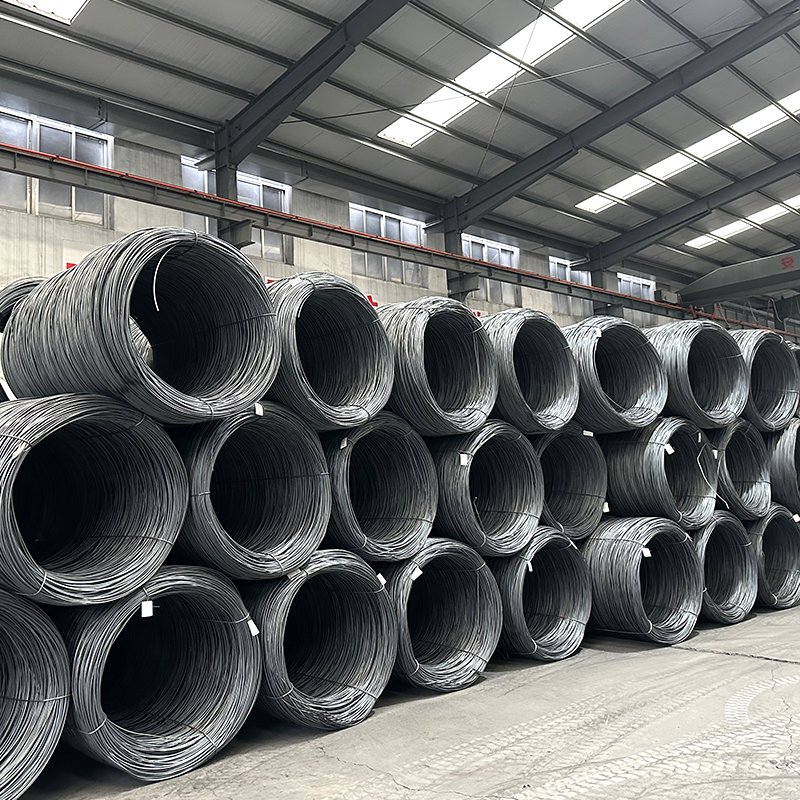
While both 14 gauge galvanized steel and stainless steel wire are known for their strength, galvanized steel wire offers a more cost-effective solution for many applications. Stainless steel wire is more resistant to corrosion, especially in marine environments, but it tends to be more expensive. Galvanized steel wire, on the other hand, offers a strong balance of strength, corrosion resistance, and affordability, making it an ideal choice for most construction and agricultural projects.
Corrosion Resistance Comparison
Stainless steel wire offers superior resistance to corrosion, particularly in marine environments where saltwater is a concern. However, galvanized steel wire performs excellently in most outdoor applications and offers excellent value for general use, making it ideal for most environments that aren’t exposed to extreme conditions.
14 Gauge Steel Wire vs. Non-Galvanized Steel Wire
Why Galvanization Matters
Non-galvanized steel wire is more prone to rust and corrosion, especially when exposed to moisture or outdoor elements. The zinc coating in galvanized steel wire provides much-needed protection, making the wire last much longer and perform more reliably over time. For applications that require a long-lasting solution in harsh environments, galvanized steel wire is the better option.
How Strong Is 14 Gauge Steel Wire?
Tensile Strength of 14 Gauge Steel Wire
What is Tensile Strength?
Tensile strength refers to the amount of force a material can withstand before breaking. For 14 gauge steel wire, the tensile strength typically ranges from 350 to 550 N/mm², depending on its composition and galvanization process. This makes 14 gauge steel wire strong enough for both heavy-duty applications and general tasks such as fencing and crafting.
Tensile Strength Compared to Other Wires
When compared to other wires, 14 gauge galvanized steel wire offers a strong balance between strength and cost. It provides ample tensile strength for most applications, such as construction, agriculture, and fencing, while remaining affordable compared to stainless steel wire.
Wire Gauge and Cutting Strength
Impact of Gauge on Strength
The gauge (thickness) of steel wire directly impacts its strength. As the gauge number decreases, the wire becomes thicker and stronger. For example, 12 gauge steel wire is stronger than 16 gauge wire. 14 gauge steel wire provides a good balance of strength, making it suitable for many applications requiring medium-duty strength.
Best Uses for Different Gauges
Each gauge of steel wire has specific applications based on its strength. 14 gauge steel wire is ideal for general fencing, concrete reinforcement, and agricultural uses, while thicker gauges (such as 12 gauge) are better for heavy-duty construction and industrial applications.
Conclusion
14 gauge steel wire is a strong and durable material, offering excellent corrosion resistance, tensile strength, and flexibility. Its ability to withstand mechanical stress and exposure to the elements makes it ideal for various applications, including construction, fencing, and industrial uses.
For businesses seeking reliable steel wire solutions, Ningyang Qisheng Industry and Trade Co., Ltd. offers a variety of galvanized steel wire products designed to provide excellent performance and longevity. Their wire products are perfect for demanding environments, ensuring durability for both industrial and DIY projects.
FAQ
Q: How strong is 14 gauge steel wire?
A: 14 gauge steel wire is strong, offering excellent tensile strength for both heavy-duty and everyday tasks.
Q: What makes 14 gauge steel wire so strong?
A: Steel wire gains strength from its high-quality composition and galvanized coating, which enhances its durability.
Q: Is 14 gauge steel wire suitable for construction?
A: Yes, 14 gauge steel wire is widely used in construction for reinforcing concrete and tying rebars due to its strength.
Q: How does galvanized steel wire compare in strength to other wire types?
A: Galvanized steel wire is stronger than non-galvanized wire due to its protective coating, which improves durability.
Q: Why should I use 14 gauge steel wire for outdoor projects?
A: The galvanized coating on 14 gauge steel wire provides superior corrosion resistance, making it ideal for outdoor use.
Q: Can 14 gauge steel wire handle heavy-duty applications?
A: Yes, 14 gauge steel wire is strong enough to handle heavy-duty tasks like construction, fencing, and agriculture.


