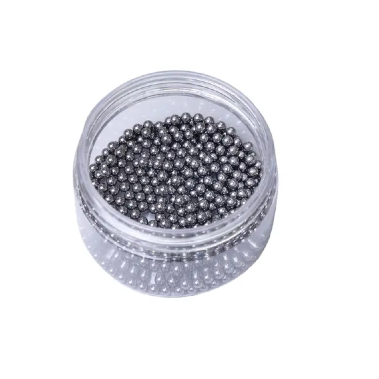
1. Introduction to Carbon Steel Balls in Automotive
Carbon steel balls are essential components in the automotive engineering industry, serving as crucial elements that ensure the smooth operation and long-lasting performance of many vehicle systems. These spherical components function primarily as rolling elements or bearings, providing mechanical support while minimizing friction between moving parts. By efficiently transferring loads and reducing wear, carbon steel balls contribute significantly to the reliability and efficiency of automotive assemblies such as wheel bearings, transmissions, steering linkages, and suspension systems.
The unique properties of carbon steel balls—combining exceptional strength, high durability, and cost-effectiveness—make them highly suitable for the demanding conditions found in automotive applications. Their ability to withstand heavy loads, resist wear, and maintain precision under constant stress has established them as an indispensable material in modern vehicle manufacturing. As automotive technology continues to evolve, carbon steel balls remain foundational to producing safer, more efficient, and longer-lasting vehicles.
2. Use in Bearings, Transmission, Steering, and Suspension
Carbon steel balls play a broad and vital role in automotive engineering, being key components in several essential vehicle systems. Their unique mechanical properties make them ideal for applications that demand durability, precision, and reliable performance under continuous stress.
Bearings
One of the most significant applications of carbon steel balls is in bearings. Bearings enable smooth and efficient rotation of wheels, engines, and various other moving parts within a vehicle. They are designed to support both radial and axial loads, allowing components to rotate freely with minimal friction. Carbon steel balls are particularly suited for bearing applications due to their excellent hardness and wear resistance, which significantly extend the bearing’s operational lifespan and reduce the need for frequent maintenance.
Wheel hub bearings, in particular, rely heavily on high-quality carbon steel balls. These balls must withstand constant dynamic loads, shocks from road irregularities, and high-speed rotations. By ensuring smooth wheel rotation and stability, carbon steel balls contribute directly to vehicle safety, improving handling and reducing the risk of wheel-related failures.
Transmission Systems
Within automotive transmissions, carbon steel balls serve as rolling elements inside gearboxes and power transfer assemblies. Their primary function here is to reduce friction between moving parts, which facilitates the smooth transfer of torque. This reduction in friction leads to more efficient gear shifts and overall improved fuel economy. The robust strength and durability of carbon steel balls allow them to endure the intense loads and high stresses typically encountered in transmission components. This reliability is crucial in maintaining the longevity and performance of the transmission system under demanding driving conditions.
Steering Systems
The steering system is fundamental to vehicle control and driver safety. Carbon steel balls are extensively used in steering columns, joints, and linkage mechanisms, where precise and smooth movement is essential. Due to their dimensional stability and resistance to wear under stress, these balls help ensure accurate steering responses and consistent performance throughout the vehicle’s lifetime. By reducing friction and wear, carbon steel balls in steering systems also contribute to lower maintenance costs and improved driver confidence.
Suspension Systems
Automotive suspension systems are responsible for absorbing shocks and maintaining vehicle stability on various road surfaces. Carbon steel balls are integral to suspension joints and pivot points, where they enable controlled articulation and effective load distribution. Their high resistance to deformation, fatigue, and wear ensures that suspension components function smoothly even under continuous impact and stress. This durability enhances ride comfort by allowing the suspension to absorb bumps efficiently and improves vehicle handling by maintaining consistent contact with the road.
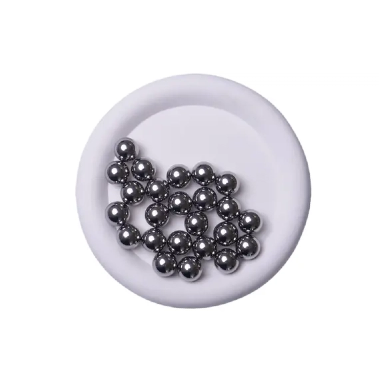
3. Benefits for Vehicle Performance and Safety
Using carbon steel balls in automotive components offers several notable benefits that directly impact vehicle performance and safety:
Enhanced Durability and Wear Resistance
Carbon steel balls undergo heat treatment processes that increase their hardness and wear resistance. This durability allows automotive components to withstand harsh operating conditions, including constant motion, heavy loads, and exposure to contaminants such as dirt and moisture.
The long service life of carbon steel balls reduces the frequency of replacements and maintenance, contributing to lower operating costs and increased vehicle reliability.
Improved Performance and Efficiency
The low friction characteristics of carbon steel balls help reduce energy loss within bearings and transmission systems. This translates to smoother operation, less heat generation, and improved fuel efficiency. Efficient movement within steering and suspension systems also leads to better vehicle control and handling.
Enhanced Safety
Reliable performance of critical automotive parts supported by carbon steel balls ensures safer driving conditions. For example, consistent wheel rotation reduces the risk of tire wear or sudden failures. Precision in steering components supports responsive handling, essential for avoiding accidents.
Cost-Effectiveness
Carbon steel balls provide a balance between performance and affordability. Compared to other materials like stainless steel or ceramic, carbon steel offers excellent strength and wear resistance at a lower cost, making it a practical choice for mass production in the automotive sector.
4. Manufacturing Standards and Quality Control
Given the demanding environments automotive parts operate in, carbon steel balls must meet stringent manufacturing standards and quality control measures to ensure optimal performance and safety.
Material Specifications
Automotive-grade carbon steel balls typically conform to specific industry standards such as ASTM and ISO. These standards define parameters including chemical composition, hardness, dimensional tolerances, and surface finish to ensure consistent quality.
Precision Manufacturing Processes
The production of carbon steel balls involves precise wire drawing, cold heading, heat treatment, grinding, and polishing. Each step is carefully controlled to achieve tight dimensional tolerances—often within microns—and a smooth surface finish. These factors are critical to reducing friction and wear in automotive applications.
Heat Treatment and Hardness Control
Heat treatment processes like quenching and tempering adjust the hardness of carbon steel balls. Hardness levels must be optimized to balance wear resistance with toughness, preventing premature cracking or deformation under load.
Surface Treatments
Some carbon steel balls undergo additional surface treatments such as black oxide coating or zinc plating to enhance corrosion resistance. This is particularly important for automotive components exposed to moisture, road salt, and varying temperatures.
Rigorous Inspection and Testing
Quality control involves comprehensive inspection methods including dimensional checks, hardness testing, magnetic particle inspection for defects, and performance testing under simulated operational conditions. Non-conforming products are rejected to maintain reliability in automotive assemblies.
5. Conclusion
Carbon steel balls play a vital role in automotive engineering, supporting key components such as bearings, transmissions, steering, and suspension with unmatched strength, durability, and cost-effectiveness. Their ability to meet stringent manufacturing standards ensures that vehicles operate safely and efficiently, delivering long-lasting performance under demanding conditions.
As the automotive industry moves toward greater efficiency and sustainability, carbon steel balls remain essential for building safer, more reliable vehicles. For those seeking high-quality carbon steel balls backed by expert manufacturing and rigorous quality control, Ningyang Qisheng Industry and Trade Co., Ltd. offers trusted solutions tailored to automotive needs. To learn more about their premium products or to discuss customized options, consider reaching out to Ningyang Qisheng today — a partner dedicated to excellence and innovation in steel ball production.


