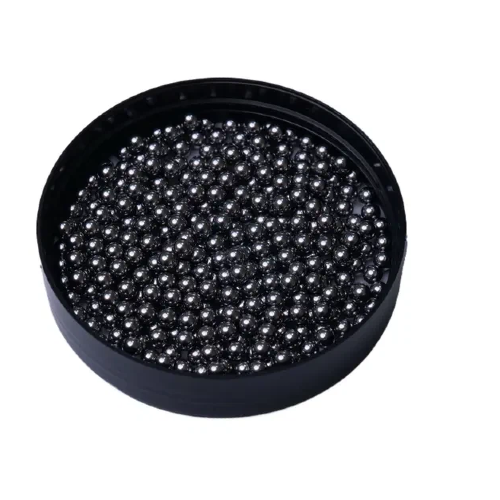
Stainless steel balls are crucial components used in a wide range of applications, from bearings and valves to pumps, automotive parts, and medical devices. Their versatility, corrosion resistance, and strength make them ideal for demanding industrial environments. When designing or selecting stainless steel balls for a specific application, one of the most important considerations is whether to choose hardened or unhardened stainless steel balls.
Choosing the right type of stainless steel ball, whether hardened or unhardened, can significantly affect the performance, durability, and cost-effectiveness of the system. This decision hinges on several factors, including the pressure and flow rate requirements, the material properties needed, and the operational environment.
The core difference lies in the manufacturing process and the subsequent properties of the balls. Hardened stainless steel balls undergo a heat treatment process that enhances their hardness, strength, and wear resistance. On the other hand, unhardened stainless steel balls are typically made from a standard stainless steel alloy without additional hardening steps, making them softer and more malleable.
1. What Are Hardened Stainless Steel Balls?
Manufacturing Process of Hardened Stainless Steel Balls
The process of creating hardened stainless steel balls involves several stages, with heat treatment being the most critical step. This process typically includes heating the stainless steel balls to a specific temperature followed by quenching them in water or oil to increase hardness.
Heat Treatment: The stainless steel balls are heated to a temperature that allows the metal to change its structure at the atomic level. This enhances the material’s hardness and wear resistance.
Quenching: After reaching the desired temperature, the balls are quickly cooled to lock in the structural changes. This rapid cooling increases the hardness of the material, making it much more wear-resistant.
The heat treatment process also increases the strength and stability of the balls, allowing them to withstand high-stress and high-friction environments.
Properties of Hardened Stainless Steel Balls
Hardened stainless steel balls offer several advantages due to their enhanced properties, including:
Increased Hardness: Hardened balls are much more resistant to wear, scratches, and surface damage, making them ideal for high-demand applications.
Improved Strength: The hardening process increases the strength of the balls, allowing them to withstand high-pressure conditions without deforming.
Better Durability: Hardened balls are designed to last longer in challenging environments due to their superior hardness and wear resistance.
These properties make hardened stainless steel balls an excellent choice for applications such as ball bearings, precision valves, and automotive components, where high strength and long-lasting performance are required.
Applications of Hardened Stainless Steel Balls
Hardened stainless steel balls are commonly used in high-stress environments and applications where durability and long-term performance are essential. Some common uses include:
Bearings: Used in machinery to reduce friction and ensure smooth operation.
Ball Valves: In systems where precise control of fluid flow is required, such as in oil and gas industries.
Pumps: Hardened balls are used in pumps to handle high-pressure fluid systems and resist wear over time.
Automotive Components: In automotive systems like fuel injectors, gears, and hydraulic components where high-strength balls are essential for durability and performance.
2. What Are Unhardened Stainless Steel Balls?
Manufacturing Process of Unhardened Stainless Steel Balls
Unhardened stainless steel balls are made from standard stainless steel alloys and do not undergo the heat treatment process that hardened balls do. As a result, these balls retain their natural properties, which include greater malleability and ductility.
Material Selection: Stainless steel balls are formed by cold heading and machining the stainless steel into shape. Since they do not undergo the hardening process, they are softer than hardened balls.
Forming Process: Once the ball is shaped, it may go through a polishing process to ensure smoothness and reduce surface imperfections. However, the lack of heat treatment means these balls are softer and more prone to wear.
Properties of Unhardened Stainless Steel Balls
Unhardened stainless steel balls possess the following characteristics:
Lower Hardness: These balls are softer compared to their hardened counterparts, making them more prone to surface wear and deformation.
Greater Ductility: Unhardened balls are more flexible and easier to machine and form, which makes them ideal for applications requiring complex shapes or quick changes in design.
Lower Wear Resistance: Due to the softer material, unhardened stainless steel balls are more susceptible to wear, making them unsuitable for high-friction environments.
Applications of Unhardened Stainless Steel Balls
Unhardened stainless steel balls are often used in applications where wear resistance is not as critical. These include:
Low-Pressure Systems: Unhardened balls are commonly used in low-pressure valve applications where the stress on the ball is minimal.
Decorative Applications: Due to their ease of manufacturing, they are sometimes used in decorative designs or non-critical components.
Non-High-Load Applications: These balls are suitable for applications where the ball is not subjected to high friction or heavy wear.
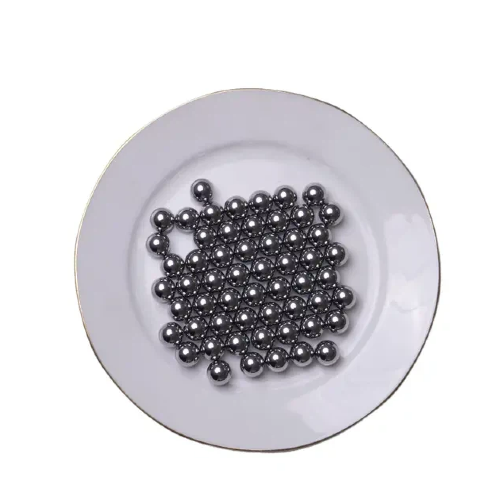
3. Key Differences Between Hardened and Unhardened Stainless Steel Balls
Hardness and Wear Resistance
Factor | Hardened Stainless Steel Balls | Unhardened Stainless Steel Balls |
Hardness | High (more wear-resistant) | Low (softer and easier to machine) |
Strength | High (ideal for high-pressure applications) | Low (ideal for less demanding applications) |
Wear Resistance | Excellent (ideal for long-lasting use) | Moderate (less suitable for high-stress use) |
Machinability | Difficult (requires specialized tools) | Easy (easier to machine and form) |
Applications | Bearings, precision valves, high-stress environments | Low-pressure systems, decorative uses, non-critical applications |
Strength and Durability
Hardened balls offer higher strength and better durability in high-stress environments. They are designed to resist deformation and wear, making them ideal for long-term use in demanding applications.
Unhardened balls, while easier to machine and form, have lower strength and durability. They are more suitable for low-stress applications where performance demands are lower.
Machinability
Unhardened stainless steel balls are easier to machine because they are softer and more malleable. This makes them a good option for customized applications or quick modifications.
Hardened balls, due to their increased hardness, require specialized tools and advanced machining techniques to achieve precise dimensions.
4. Factors to Consider When Choosing Between Hardened and Unhardened Stainless Steel Balls
Operational Environment
When selecting the appropriate ball, the operational environment plays a major role. Consider factors such as:
Pressure: High-pressure systems demand hardened stainless steel balls to withstand the stresses involved.
Temperature: Hardened balls perform better in high-temperature environments.
Corrosive Environments: In environments prone to corrosion, 316 hardened stainless steel balls may be required for their enhanced resistance to chemicals.
Cost Considerations
Hardened stainless steel balls tend to be more expensive due to the additional manufacturing steps like heat treatment. However, they offer superior performance and durability in high-stress environments.
Unhardened stainless steel balls are more cost-effective for applications where strength and wear resistance are not as critical.
Precision and Tolerances
Hardened balls are ideal for applications requiring tight tolerances and high precision, such as in ball bearings and precision valves.
Unhardened balls can be used in less demanding applications where the precision requirements are not as strict.
5. Conclusion
In conclusion, hardened and unhardened stainless steel balls differ mainly in their hardness, strength, wear resistance, and machinability. Hardened balls are ideal for high-stress, high-pressure, and high-wear environments, where durability and reliability are crucial. On the other hand, unhardened balls are better suited for low-pressure systems and applications where ease of manufacturing and cost-effectiveness are more important.
Choosing the right type of stainless steel ball depends on the specific needs of your application. For high-performance environments, hardened stainless steel balls are essential to ensure long-term durability and optimal functionality. However, for applications with lower demands or those requiring a cost-effective solution, unhardened balls provide an excellent option.
At Ningyang Qisheng Industry and Trade Co., Ltd., we specialize in providing high-quality stainless steel balls, both hardened and unhardened, tailored to meet your specific requirements. Our team is dedicated to offering expert advice and delivering products that ensure reliable performance and long-lasting durability. Feel free to contact us to learn more about our products and how we can assist with your stainless steel ball needs.
6. FAQ
Q1: What is the primary difference between hardened and unhardened stainless steel balls?
The primary difference is in hardness. Hardened stainless steel balls undergo a heat treatment process that increases their hardness, wear resistance, and strength, while unhardened balls are softer and easier to machine.
Q2: Where are hardened stainless steel balls commonly used?
Hardened stainless steel balls are typically used in high-stress applications like ball bearings, valves, and automotive parts where durability and strength are required.
Q3: Can unhardened stainless steel balls be used in industrial applications?
Yes, unhardened stainless steel balls are often used in low-pressure systems, decorative applications, or non-critical machinery.
Q4: Why are hardened stainless steel balls more expensive?
Hardened stainless steel balls are more expensive because they undergo an additional heat treatment process, which increases their strength and wear resistance.
Q5: How does hardness affect the wear resistance of stainless steel balls?
Hardened stainless steel balls have superior wear resistance because the hardening process makes the balls more durable and able to withstand abrasion and stress.


