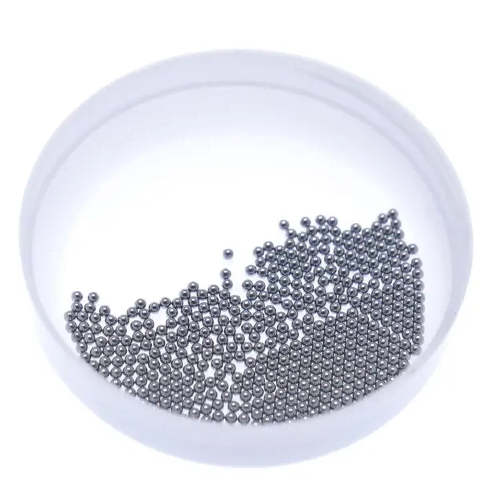
High-precision stainless steel balls are integral components used in various industries, from automotive and aerospace to medical devices and industrial machinery. These balls are used in ball bearings, valves, pumps, and precision instruments, where even the smallest deviations in size and shape can lead to performance issues or failure.
The manufacturing of high-precision stainless steel balls involves several intricate steps to ensure they meet stringent requirements for dimension, roundness, surface finish, and tolerance. Achieving high precision in stainless steel balls is critical because they must function in demanding environments, such as high-speed machinery or high-stress applications, where their performance directly affects the longevity and efficiency of the entire system.
In this article, we will break down the detailed manufacturing process of high-precision stainless steel balls—from material selection to packaging. Each step plays a crucial role in achieving the desired characteristics of these critical components.
1. Selection of Stainless Steel Material
Choosing the Right Grade of Stainless Steel
The first and most important step in manufacturing high-precision stainless steel balls is selecting the appropriate stainless steel grade. The material chosen must meet specific criteria for strength, corrosion resistance, and mechanical properties, all of which directly impact the precision of the final product.
The most common grades of stainless steel used for high-precision ball manufacturing include:
304 Stainless Steel: A widely used austenitic stainless steel with good corrosion resistance and formability. This material is often used for general-purpose balls.
316 Stainless Steel: Known for its superior resistance to corrosion, especially in chloride-rich environments. It is frequently used in marine, chemical, and medical applications.
440C Stainless Steel: A high-carbon martensitic stainless steel with high hardness and wear resistance, commonly used for bearings.
Each grade of stainless steel offers different levels of strength, toughness, and corrosion resistance, which must be matched to the specific requirements of the application.
Material Purity and Consistency
In addition to selecting the appropriate grade, the purity of the stainless steel plays a crucial role in the final precision. Any impurities, such as sulfur, phosphorus, or silicon, can lead to inconsistencies in the ball’s mechanical properties, affecting its dimensional accuracy. High-quality material ensures that each ball is consistent in size and shape, which is crucial for meeting the tight tolerances required in high-precision applications.
Property | Impact on Precision |
Chromium Content | Increases corrosion resistance and dimensional stability. |
Nickel Content | Improves strength and stability under pressure. |
Molybdenum | Enhances resistance to corrosion, especially in chloride environments. |
Purity of Material | Reduces defects in manufacturing, ensuring uniform ball shape and size. |
2. Ball Formation Process
Cold Heading and Billet Preparation
The manufacturing process for high-precision stainless steel balls begins with cold heading or forging. In cold heading, a stainless steel billet or wire is placed into a die and compressed to form a rough ball shape. This process is done at room temperature, which allows the material to maintain its strength and toughness.
Cold heading is typically the first step in ball formation, and it provides the basic shape of the ball. At this stage, the balls are not yet to their final size, but the process helps form the rough geometry. This initial stage is crucial for setting the foundation for further shaping and sizing.
Machining and Shaping
Once the ball has been formed through cold heading, the next step involves machining. In this stage, the stainless steel balls undergo precise shaping using advanced machines, such as lathes or CNC machines. These machines are programmed to ensure that the balls are produced to exact dimensions, with minimal variation from the target size.
The use of CNC (Computer Numerical Control) machines ensures the highest levels of accuracy in shaping the balls. CNC technology allows for the automation of precise cuts and adjustments, ensuring that the balls are consistently shaped to meet the required precision standards. This phase is essential for getting the balls close to their final size before the grinding and lapping processes.
3. Grinding and Lapping
Grinding Process for Dimensional Accuracy
Grinding is one of the most critical steps in the manufacturing process of high-precision stainless steel balls. The purpose of grinding is to refine the ball to its final dimensions and roundness. During this stage, cylindrical grinders or centerless grinders are used to smooth out any imperfections from the cold heading or machining processes.
The balls are passed through grinding machines equipped with abrasive wheels to remove excess material and fine-tune their size and shape. This step ensures that the balls achieve the required roundness and smoothness necessary for high-precision applications.
Lapping for Surface Finish
After grinding, lapping is used to achieve the final surface finish and to improve the roundness and tolerance of the stainless steel balls. Lapping involves the use of a fine abrasive slurry to polish the surface of the balls, further refining the smoothness and eliminating any micro-level surface imperfections.
Lapping not only improves the ball’s aesthetic quality, making it visually perfect, but it also helps in achieving the tight tolerances required for precision applications. This process is particularly important in industries like aerospace, automotive, and medical devices, where even the smallest deviation can cause performance issues.
4. Heat Treatment
Annealing and Hardening
Heat treatment is an essential process in manufacturing high-precision stainless steel balls. Heat treatment includes processes like annealing and hardening, which are used to enhance the material’s strength, hardness, and wear resistance.
Annealing: This process involves heating the stainless steel balls to a specific temperature and then slowly cooling them. Annealing helps reduce internal stresses and enhances the ductility of the steel, making the balls easier to machine and polish while retaining their overall strength.
Hardening: In some cases, the balls undergo hardening to increase their surface hardness. This is particularly important for stainless steel balls used in high-load applications, such as ball bearings, where the balls are subjected to high pressure and wear.
The proper heat treatment process ensures that the stainless steel balls maintain their dimensional stability and strength, even under extreme conditions.
5. Surface Finishing
Polishing and Electropolishing
Once the balls have been heat-treated and properly hardened, they undergo surface finishing. Surface finishing processes such as polishing and electropolishing are essential for achieving the desired smoothness, shiny appearance, and corrosion resistance.
Polishing: In this process, a fine abrasive is used to smooth out any remaining imperfections from the grinding and lapping stages. Polishing ensures that the ball has a mirror-like finish, which is crucial for applications that require low friction and high wear resistance.
Electropolishing: For certain applications, particularly in the medical and food industries, electropolishing is used. This process involves passing the balls through an electrolytic solution, which removes a thin layer of material from the surface, leaving behind a smooth, uniform finish. Electropolishing enhances the corrosion resistance of the stainless steel and is essential for meeting industry standards for hygiene and cleanliness.
Corrosion Resistance Enhancement
The surface finishing processes not only improve the aesthetic appeal of stainless steel balls but also enhance their corrosion resistance. By providing a smoother surface and reducing surface imperfections, these processes help ensure that the balls can withstand harsh environments, such as exposure to chemicals, moisture, or saltwater.
6. Inspection and Quality Control
Precision Inspection Methods
High-precision stainless steel balls require meticulous inspection to ensure that they meet strict dimensional and performance standards. Various inspection methods are used to check the roundness, diameter, surface finish, and weight of each ball.
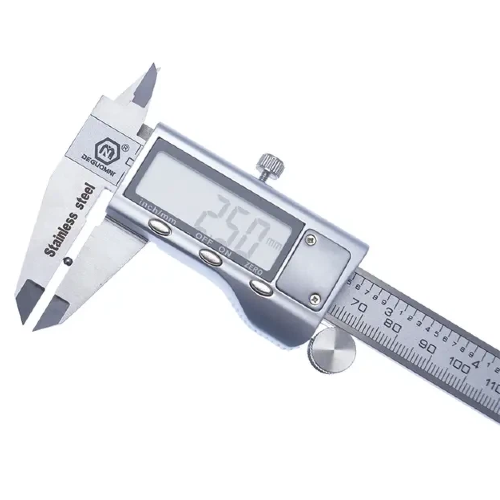
Micrometers and calipers are used for measuring the diameter of the balls with extreme precision.
Laser measurement systems provide non-contact ways to measure the ball's dimensions, ensuring accuracy without causing any damage.
Roundness testers are used to confirm that the balls are perfectly spherical, which is crucial for their function in precision equipment like bearings.
Statistical Process Control (SPC)
Statistical Process Control (SPC) plays a key role in ensuring consistent quality during the manufacturing process. By tracking and analyzing data from the inspection process, manufacturers can detect deviations from the desired tolerances and make adjustments in real-time. This ensures that the production process remains under control, maintaining high precision and reducing the likelihood of defects.
7. Packaging and Final Delivery
Packaging for Precision Products
Once the high-precision stainless steel balls pass the final inspection, they are carefully packaged to ensure that they are not damaged during transportation or storage. Proper packaging is critical to maintain the integrity and precision of the balls until they reach the customer.
Anti-static bags or foam inserts are often used to prevent physical damage or contamination.
Sealed containers are used to protect the balls from moisture or environmental contaminants that could impact their performance.
Final Inspection Before Shipment
Before shipment, the balls undergo a final quality check to ensure they meet all customer specifications. This is the last step to ensure that the balls have the desired precision and tolerance, and they are ready for use in high-performance applications.
8. Conclusion
In conclusion, the manufacturing of high-precision stainless steel balls is a meticulous process that requires attention to detail at every stage—from material selection to packaging. Every step, including machining, grinding, lapping, heat treatment, and surface finishing, is tightly controlled to ensure that the final product meets the exact specifications needed for high-performance applications.
At Ningyang Qisheng Industry and Trade Co., Ltd., we understand the importance of each manufacturing phase in producing stainless steel balls with exceptional precision and reliability. By focusing on these critical factors and implementing rigorous quality control standards, we deliver stainless steel balls that excel in demanding environments like automotive, aerospace, and medical devices.
If you are looking for stainless steel balls that meet the highest standards of precision and performance, we are here to assist. Feel free to contact us for more information or to discuss how our products can support your business needs. Our team is committed to providing tailored solutions that ensure the reliability and durability of your applications.
9. FAQ
Q1: What makes stainless steel balls high-precision?
High-precision stainless steel balls are defined by their dimensional accuracy, roundness, smooth surface finish, and tight tolerances that ensure reliability in high-performance applications.
Q2: How does material quality impact the precision of stainless steel balls?
Material quality plays a significant role in ensuring uniformity, strength, and durability. High-quality materials result in more consistent ball shapes and sizes, reducing defects and achieving higher precision.
Q3: What is the role of grinding and lapping in ball precision?
Grinding ensures dimensional accuracy, while lapping improves surface smoothness and fine-tunes roundness, both of which are essential for achieving the necessary precision in stainless steel balls.
Q4: How does heat treatment affect stainless steel balls?
Heat treatment processes like annealing and hardening enhance the strength, hardness, and durability of the balls, ensuring they can perform under high pressure and in harsh environments.
Q5: What inspection methods ensure the precision of stainless steel balls?
Common inspection methods include micrometers, calipers, laser measurements, and roundness testers to check dimensions, shape, and surface quality, ensuring the balls meet high-precision standards.


