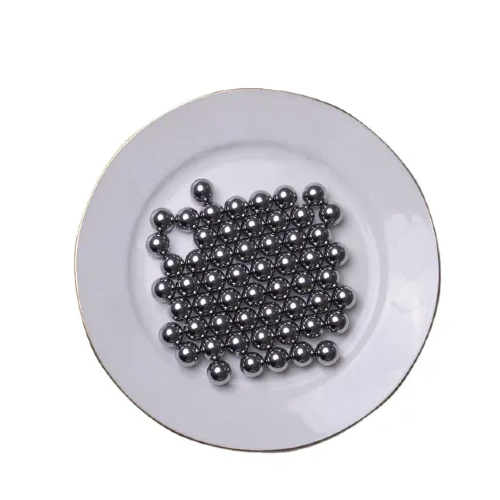
1. Overview of Stainless Steel Balls
Stainless steel balls are essential components in a wide variety of mechanical and industrial applications. They are primarily used in ball bearings, valve assemblies, automotive parts, and numerous other precision machinery applications. Stainless steel balls are preferred for their excellent corrosion resistance, strength, and durability. These characteristics allow them to operate reliably over long periods, often under harsh conditions.
The selection of the right stainless steel ball is crucial to the performance and longevity of the equipment in which they are used. Among the different types of stainless steel balls, 304 and 316 are two of the most widely used. However, their specific properties make them more suited for different applications. This article provides a detailed comparison of 304 and 316 stainless steel balls, helping you choose the one that best meets your needs.
2. What is 304 Stainless Steel?
Material Composition and Properties
304 stainless steel, also known as 18/8 stainless steel, consists of 18% chromium and 8% nickel, with the remaining content being primarily iron. This combination results in a material that is highly resistant to oxidation and corrosion, while maintaining excellent formability and strength. It is also non-reactive, which makes it an excellent choice for applications in which cleanliness and hygiene are important.
304 stainless steel is not as resistant to chloride-induced corrosion as other alloys, particularly when exposed to harsh conditions such as saltwater. However, it still performs well in a variety of general applications. Here are some of the key properties of 304 stainless steel:
Corrosion Resistance: 304 stainless steel performs well in most environments, especially in low-corrosive settings, including freshwater and mild acids.
Strength: Known for its toughness, 304 is relatively strong and durable. It provides sufficient structural integrity for many industrial uses.
Ductility: This steel can be easily shaped and fabricated into different sizes and forms.
Applications of 304 Stainless Steel Balls
304 stainless steel balls are found in a wide range of applications due to their general-purpose versatility. These include:
Automotive: 304 stainless steel balls are used in automotive parts, including ball joints, fuel systems, and brake systems, due to their ability to withstand moderate exposure to heat and chemicals.
General Industrial Machinery: Bearings, valves, and pumps that operate in less aggressive environments benefit from the use of 304 stainless steel balls. The material offers an excellent balance of strength and corrosion resistance.
Consumer Goods: From household appliances like washing machines to kitchen equipment such as mixers, 304 stainless steel balls are commonly used for their hygiene and durability properties.
3. What is 316 Stainless Steel?
Material Composition and Properties
316 stainless steel is another austenitic steel alloy but with higher nickel content (10% nickel) and the addition of 2% molybdenum, which significantly enhances its corrosion resistance. The molybdenum addition improves its resistance to chloride-induced corrosion, which is why 316 stainless steel is often referred to as “marine-grade stainless steel.”
In addition to superior corrosion resistance, 316 stainless steel maintains the characteristics of 304, such as excellent strength, ductility, and formability. The inclusion of molybdenum provides increased resilience against acids, especially sulfuric and hydrochloric acids, making 316 the ideal material for chemical processing and other aggressive environments. Here are some of the key properties:
Superior Corrosion Resistance: 316 is more resistant to saltwater, acidic conditions, and chemicals than 304, making it suitable for harsher environments.
Strength: Like 304, 316 stainless steel also offers excellent strength, which helps it perform in high-pressure environments.
Temperature Resistance: 316 performs well at higher temperatures, maintaining its integrity even in extreme heat.
Applications of 316 Stainless Steel Balls
316 stainless steel balls are used in specialized industries that require resilience in extreme environments:
Marine and Offshore: Due to its enhanced resistance to saltwater corrosion, 316 stainless steel balls are used in shipbuilding, offshore platforms, and other marine-based applications.
Chemical Processing: In industries like pharmaceuticals and chemical production, 316 stainless steel balls are chosen for their high resistance to chemicals, ensuring that the equipment lasts longer and performs better under aggressive conditions.
Food and Beverage: In environments where cleanliness and sanitation are paramount, such as food manufacturing plants, 316 stainless steel balls provide excellent protection against rust and corrosion.
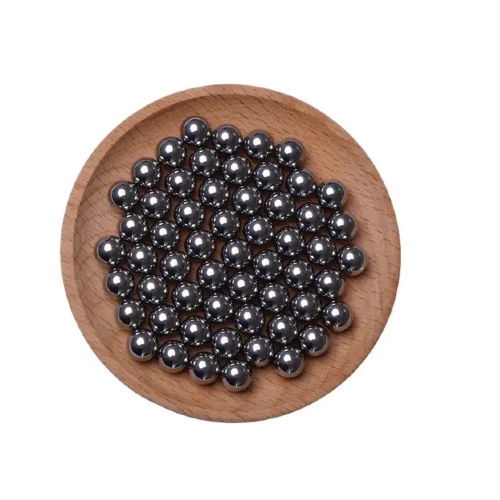
4. 304 vs. 316 Stainless Steel Balls: Key Differences
Corrosion Resistance
Property | 304 Stainless Steel Balls | 316 Stainless Steel Balls |
Corrosion Resistance | Moderate resistance to rust, especially in non-chloride environments | Superior resistance to rust and corrosion, especially in saltwater and harsh chemicals |
Suitable Environments | Freshwater, low humidity, non-corrosive environments | Marine, chemical processing, and acidic environments |
When it comes to corrosion resistance, the primary difference between 304 and 316 stainless steel balls is the presence of molybdenum in 316. This addition enhances the alloy’s ability to withstand chloride-based corrosion, which is crucial in environments like marine settings or chemical processing plants. 304 stainless steel balls, while still resistant to rust and oxidation in general environments, are not as suited for environments with high levels of salt, chlorine, or chemicals.
Strength and Durability
Both types of stainless steel balls have high strength and durability, but 316 stainless steel is more resilient in high-stress environments, especially those that involve corrosive or extreme conditions. While 304 stainless steel is perfect for general-purpose industrial applications, 316 stainless steel excels in situations where the equipment is exposed to continuous stress and environmental wear.
304 stainless steel balls are ideal for use in standard machinery, bearings, and valves where moderate stress and occasional exposure to elements are expected.
316 stainless steel balls are often used in highly specialized systems, including chemical reactors, marine applications, and systems that require both high strength and extreme environmental resistance.
Cost Difference
Material | 304 Stainless Steel Balls | 316 Stainless Steel Balls |
Cost | More affordable | More expensive due to molybdenum content |
The cost difference between 304 and 316 stainless steel balls is primarily due to the added molybdenum in 316, which enhances its corrosion resistance. As a result, 316 stainless steel balls are generally more expensive than their 304 counterparts. However, the higher cost of 316 stainless steel is justified in applications where superior corrosion resistance and long-term durability are critical.
5. How to Choose Between 304 and 316 Stainless Steel Balls
Factors to Consider When Choosing
When selecting between 304 and 316 stainless steel balls, consider the following:
Environment: Assess the potential for exposure to harsh chemicals, saltwater, or other corrosive environments. If corrosion resistance is a major concern, 316 is the better choice.
Application Requirements: Consider the strength and durability required for the application. For heavy-duty use in chemical or marine environments, 316 stainless steel offers greater longevity and resistance.
Budget: If the application does not involve highly corrosive conditions, 304 stainless steel balls are a more cost-effective option without sacrificing too much in terms of performance.
When to Choose 304 Stainless Steel Balls
General Industrial Applications: 304 stainless steel balls are ideal for applications where corrosion is not a major concern and the environment is relatively mild.
Cost-Sensitive Projects: For applications where cost efficiency is a priority and the operating environment does not demand the superior properties of 316, 304 provides excellent value.
When to Choose 316 Stainless Steel Balls
Marine and Harsh Environments: For marine applications, 316 stainless steel balls are essential due to their high resistance to saltwater corrosion.
Chemical and Pharmaceutical Industries: 316 stainless steel balls provide the necessary durability and corrosion resistance required for handling chemicals, acids, and other aggressive substances.
6. Conclusion
In conclusion, the choice between 304 and 316 stainless steel balls largely depends on the specific environment and application needs. If you are dealing with a harsh environment where high corrosion resistance is essential, 316 stainless steel balls are the ideal choice. However, for general-purpose applications that do not involve extreme conditions, 304 stainless steel balls provide a cost-effective and reliable solution. By understanding the key differences between these materials, you can make a more informed decision that enhances both the performance and longevity of your equipment.
At Ningyang Qisheng Industry and Trade Co., Ltd., we specialize in providing high-quality stainless steel balls tailored to your unique requirements. Whether you need 304 or 316 stainless steel balls, our team is ready to offer expert advice and help you choose the right product. Feel free to reach out to us for more information or to discuss how we can support your business needs. We are committed to delivering products that meet the highest standards of durability and performance.
7. FAQ
Q1: What is the main difference between 304 and 316 stainless steel balls?
The key difference lies in corrosion resistance. 316 stainless steel balls contain molybdenum, which significantly enhances resistance to chloride-induced corrosion, making them suitable for more aggressive environments like marine applications or chemical processing.
Q2: Are 304 stainless steel balls suitable for outdoor applications?
304 stainless steel balls are suitable for most outdoor applications where they are exposed to mild atmospheric conditions, but they may not withstand long-term exposure to saltwater or harsh chemicals.
Q3: Why is 316 stainless steel more expensive than 304?
316 stainless steel includes molybdenum, which provides enhanced corrosion resistance. This makes 316 more expensive to produce than 304, but the added cost is often worth it for industries requiring high resistance to aggressive environments.
Q4: Can 304 stainless steel balls be used in food processing applications?
Yes, 304 stainless steel balls are widely used in the food processing industry because they offer good corrosion resistance and do not react with food or beverages, ensuring hygienic conditions.
Q5: How do I maintain stainless steel balls in corrosive environments?
To maintain 316 stainless steel balls, rinse them with freshwater after exposure to saltwater or chemicals. Regular maintenance and cleaning can extend the life of both 304 and 316 stainless steel balls.


