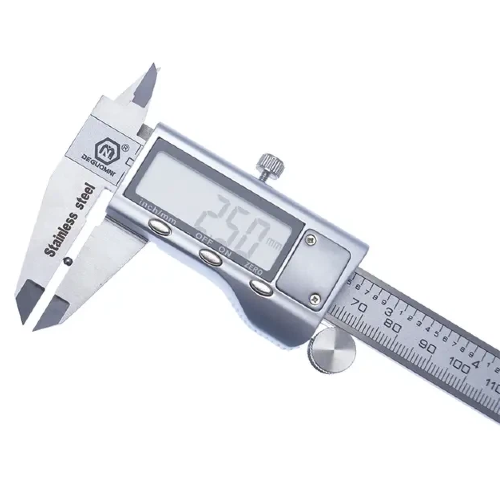
In precision valve design, the stainless steel ball is a critical component. It directly influences the performance, flow regulation, and sealing capabilities of the valve. Stainless steel balls are used in various types of valves such as ball valves, check valves, and control valves. Their diameter plays a pivotal role in determining the efficiency of fluid flow, the pressure control, and overall operational reliability of the valve system.
High-precision stainless steel balls are required for these applications due to their ability to offer consistent performance, resilience under pressure, and long-lasting durability. The diameter of the stainless steel ball, although seemingly simple, has a profound impact on the valve’s performance, especially in high-pressure systems, where even a small deviation can lead to operational failure.
Choosing the right ball diameter ensures proper functionality of the valve and that it meets industry standards for precision. In this article, we’ll dive deeper into the essential aspects to consider when selecting the ideal diameter for stainless steel balls in valve design.
1. Key Considerations When Choosing the Right Diameter
Valve Type and Application
The type of valve being used will have a significant influence on the ball diameter selection. Different valve types require specific ball diameters to optimize performance. Below are some common valve types and their considerations for selecting the right diameter:
Ball Valves: These valves utilize a ball with a hole in the center to control fluid flow. The ball diameter directly affects the flow rate and the sealing properties of the valve.
Check Valves: These are designed to prevent backflow. The ball diameter needs to ensure the ball fits tightly within the valve to prevent any backflow or leakage.
Control Valves: These valves regulate fluid flow and pressure. The ball diameter must be precise to control the rate of flow accurately.
Industrial Applications Impacting Diameter Choice
Various industries have unique requirements for valve systems, impacting the diameter selection. For instance:
Oil & Gas: In this sector, the ball diameter must accommodate high-pressure systems while ensuring that the flow control is precise.
Chemical Processing: The diameter needs to be robust enough to handle aggressive chemicals and prevent leakage.
Water Treatment: The ball diameter is selected to ensure efficient flow control while maintaining low friction.
Choosing the right ball diameter ensures that the valve will function effectively under specific operational conditions, whether the environment is high-pressure, high-temperature, or chemically aggressive.
Pressure and Flow Rate Requirements
The operating pressure and flow rate of a valve system are directly tied to the diameter of the stainless steel ball. These factors dictate the resistance and performance of the valve.
Pressure Control
A larger ball diameter in a high-pressure environment helps to distribute the stress more evenly, reducing the risk of failure due to pressure.
For high-pressure systems, the diameter must be large enough to handle the force but not so large as to restrict the flow.
Flow Rate
A smaller ball diameter may be needed in systems where precise flow control is required, such as in fine-tuned industrial equipment.
A larger diameter is appropriate for high-volume systems, where higher flow rates are essential.
The ball diameter must match both the pressure and flow specifications to optimize performance and ensure efficient fluid management within the system.
Sealing and Tolerance Requirements
A major function of the stainless steel ball in valve design is to create a tight seal between the valve body and the ball. The ball diameter is a key factor in achieving this seal. If the ball is too large or too small, it may not create an effective seal, leading to leakage and reduced performance.
Precision in the ball diameter is crucial for ensuring that the ball fits securely within the valve assembly. When the ball has a consistent diameter within tight tolerances, it ensures that the seal is formed properly, providing reliable leak prevention and optimized valve operation.
Factor | Impact on Precision and Seal Integrity |
Diameter Consistency | A consistent ball diameter ensures that the ball fits perfectly in the valve body, forming an effective seal. |
Tolerance Requirements | Tight tolerances (±0.001 mm or tighter) are essential for high-performance valves to avoid leakage or malfunctions. |
Sealing Surface | A smooth, polished ball surface minimizes wear and maximizes the effectiveness of the seal. |
2. Material and Surface Finish Considerations
Stainless Steel Grades
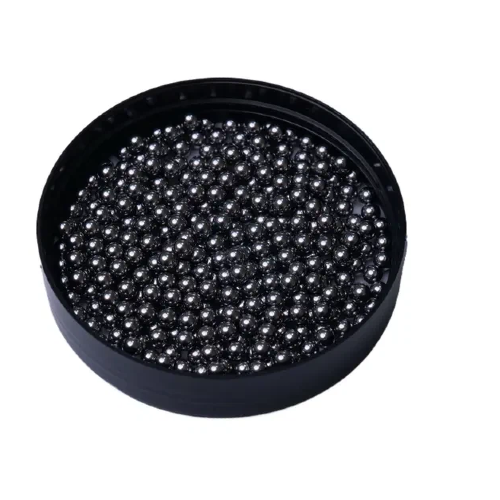
The material grade of the stainless steel ball is a crucial factor in determining its durability and resistance to harsh environments. Stainless steel balls are typically made from different grades such as 304, 316, and 440C. The right material choice depends on the operating environment and the required durability.
304 Stainless Steel: A versatile, corrosion-resistant material commonly used for general-purpose applications.
316 Stainless Steel: Offers superior resistance to corrosion, especially in chloride environments, making it ideal for marine and chemical processing industries.
440C Stainless Steel: A high-carbon stainless steel that is hardened to provide excellent wear resistance and durability, often used in precision machinery and bearings.
Each stainless steel grade offers a different level of strength, corrosion resistance, and wear resistance, which may require a specific ball diameter for optimal valve operation in certain industries.
Surface Finish of the Stainless Steel Ball
Surface finish is another important factor when selecting the diameter of the stainless steel ball. The smoothness of the ball’s surface affects its friction and sealing properties. A rough surface can lead to increased wear, leakage, and decreased performance over time.
Polishing: After grinding, balls are often polished to a smooth, shiny finish. This reduces surface roughness and helps the ball slide easily within the valve assembly.
Electropolishing: In applications requiring the highest corrosion resistance, electropolishing is used to enhance the finish and improve cleanliness.
A smooth surface finish ensures that the ball operates with minimal friction and provides a proper seal, which is essential for the overall performance and longevity of the valve.
3. Balancing Precision and Cost in Diameter Selection
Precision Manufacturing of Stainless Steel Balls
The selection of the diameter of stainless steel balls must be precise to ensure that they meet the required tolerance. This requires advanced manufacturing techniques such as CNC machining, grinding, and lapping. Achieving high precision is crucial, especially when valves are designed for high-performance applications.
CNC Machines: Computer-controlled machining allows manufacturers to produce balls with tight tolerances and consistent diameters.
Grinding and Lapping: These processes help refine the ball’s size, roundness, and surface finish, ensuring that the diameter is accurate and meets the specifications required for valve design.
Cost vs. Performance
While it’s important to ensure that the diameter of the stainless steel ball meets the design specifications, cost considerations also come into play. Precision manufacturing methods that achieve tighter tolerances and better surface finishes tend to increase the cost of production. Manufacturers need to find a balance between performance and cost.
For example:
Standard diameter balls may suffice for basic applications but require lower tolerance and cost.
High-performance diameter balls require higher tolerances and more precise manufacturing, but the added cost may be justified for critical applications like aerospace or medical valves.
Balancing these factors ensures that manufacturers can produce the optimal diameter stainless steel balls while staying within the project budget.
4. How to Determine the Optimal Diameter for Your Valve Design
Factors to Assess During Diameter Selection
When determining the right ball diameter for your valve design, several factors should be considered:
Valve Type: Different valve types require different ball diameters for optimal sealing and flow control.
Flow Rate and Pressure: Ensure the ball diameter is suitable for the operating pressure and flow rate in your valve system.
Tolerance Requirements: The diameter must meet tight tolerances to avoid leakage and ensure proper sealing.
Temperature Conditions: High-temperature environments may require special material choices and ball diameters.
These factors all influence the final choice of the diameter and should be carefully considered during the valve design process.
Trial and Testing Methods
Once the ball diameter is selected, trial runs and real-world testing are critical for validating the diameter choice. Testing will help determine if the chosen diameter is effective for the application and if it meets the required performance standards.
5. Conclusion
Selecting the right diameter for a stainless steel ball is essential to ensure your valve system operates smoothly and efficiently. It requires a thorough understanding of various factors, including the valve type, flow rate, pressure requirements, and material choice. By carefully selecting the correct ball diameter, manufacturers can improve the performance, sealing capability, and long-term reliability of the valve system.
At Ningyang Qisheng Industry and Trade Co., Ltd., we specialize in providing high-quality stainless steel balls that meet the exact diameter specifications for your valve design. With our extensive experience and deep understanding of valve system requirements, we ensure that each ball is produced with the highest precision to enhance the functionality and longevity of your valve system.
If you need expert advice or are ready to select the ideal stainless steel ball diameter for your application, feel free to contact us. Our team is dedicated to offering tailored solutions that meet the specific demands of your valve system, ensuring reliable and optimal performance.
6. FAQ
Q1: How does the diameter of a stainless steel ball impact valve performance?
The ball diameter is crucial for ensuring sealing efficiency, flow regulation, and pressure control within the valve system. A proper fit ensures no leakage and smooth fluid flow.
Q2: What factors should I consider when selecting the diameter for my valve design?
You should consider the valve type, operating pressure, flow rate, and sealing requirements when selecting the right diameter for the stainless steel ball.
Q3: Can the ball diameter be adjusted after the ball is manufactured?
The ball diameter should be carefully selected during the manufacturing process. Once the ball is produced, adjustments are challenging, and precision is key to ensure optimal performance.
Q4: How do material grades affect the diameter selection for stainless steel balls?
The material grade affects the ball’s strength, corrosion resistance, and durability, which in turn influences how well the ball can maintain the required diameter under stress.
Q5: What role does surface finish play in selecting the right diameter for stainless steel balls?
A smooth surface finish minimizes friction and improves sealing performance, ensuring that the ball operates effectively within the valve, which is critical for maintaining tight tolerances.


