Introduction
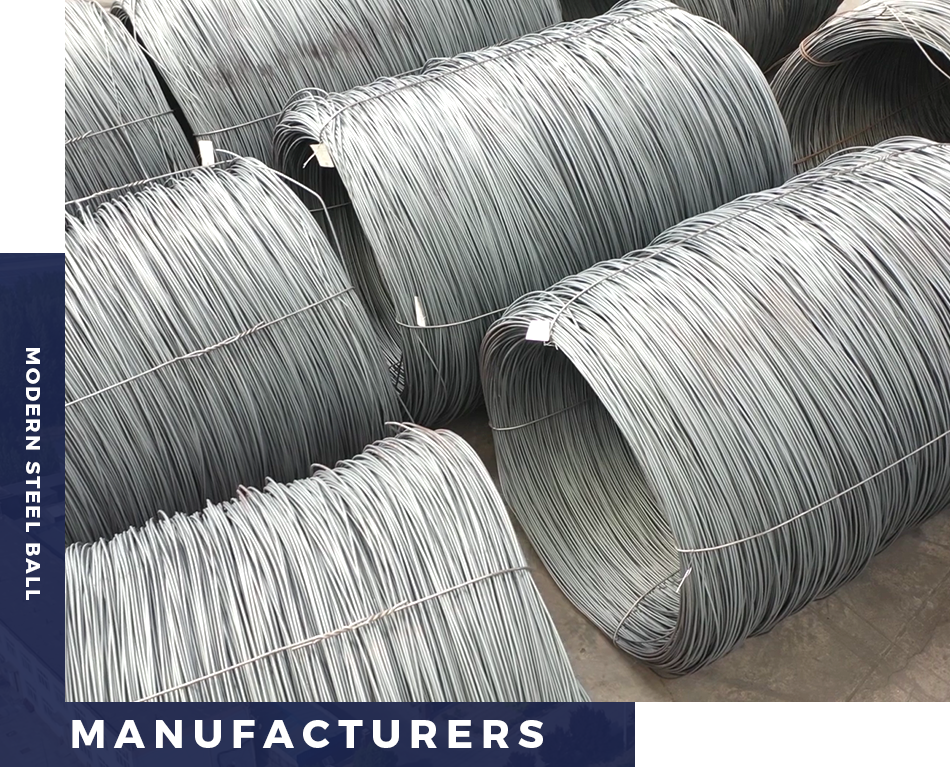
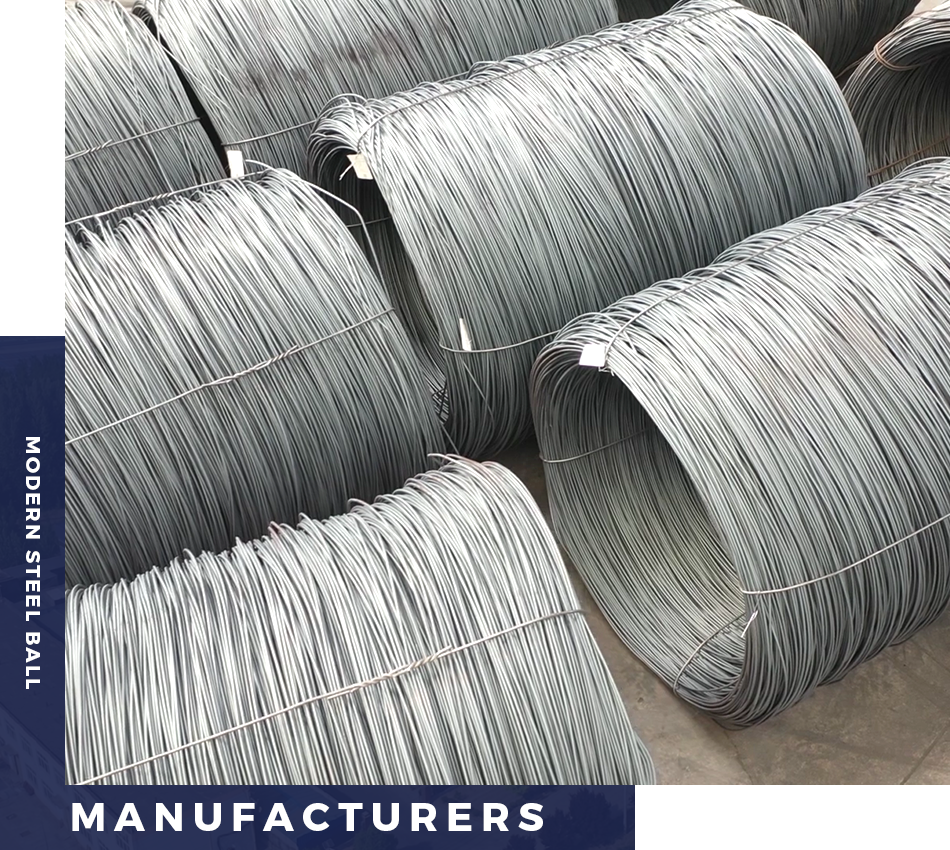
Cutting steel wire, especially thicker or harder gauges, can be a challenging task without the proper tools. Many people wonder if steel wire is hard to cut and what factors make it difficult to manage. This article addresses these concerns and offers solutions to ensure effective cutting of steel wire.
In this article, we will discuss the factors that make steel wire hard to cut, including its composition and thickness. You will also learn about the tools and techniques that can make the cutting process easier and more efficient.
Why Steel Wire Can Be Hard to Cut
The Composition of Steel Wire
Steel Wire Types
Steel wire comes in various compositions, each suited to different applications. Standard steel wire is relatively easy to cut with basic tools, but harder steel wire, such as piano wire or high-tensile steel, can be much more difficult to cut. This is because harder steel wire is made from materials designed to withstand higher levels of stress, which naturally increases its toughness and cutting resistance.
For example, piano wire is often made from high-carbon steel, which has been hardened to increase its strength. This makes it more durable but also more challenging to cut through, requiring specialized tools.
Hardened Steel
Hardened steel, including high-carbon varieties, is far tougher than low-carbon steel, making cutting more difficult. The hardness of the material can cause a significant amount of wear on cutting tools, leading to frequent tool replacements or maintenance. Hardened steel wires, like piano wire, are often the hardest to cut because their tensile strength matches or exceeds that of the tools used to cut them.
Hardened steel wires are typically used for applications where strength and durability are essential. These wires can withstand considerable pressure and stress, making them ideal for high-performance applications such as suspension cables, automotive use, and heavy machinery. However, the very characteristics that make them useful in these areas also make them harder to cut.
Impact of Wire Gauge on Cutting Difficulty
Wire Thickness
One of the most important factors in determining how hard steel wire is to cut is its gauge, which refers to the thickness of the wire. As the gauge number decreases, the wire becomes thicker, making it harder to cut. For instance, 12 gauge steel wire is thicker and more challenging to cut compared to 16 gauge wire. Thicker wires require more powerful tools to cut through and can cause tool wear more quickly due to the increased force needed for cutting.
Gauge | Diameter (inches) | Diameter (mm) |
10 | 0.102 | 2.59 |
12 | 0.080 | 2.03 |
14 | 0.064 | 1.63 |
16 | 0.050 | 1.27 |
As shown in the table, as the gauge number decreases (from 16 to 10), the wire diameter increases, making it more difficult to cut.
Comparison of Gauges
Understanding the relationship between wire gauge and cutting difficulty can help users select the appropriate tools for the job. Thicker wires, such as 10 or 12 gauge, require more force to cut through and may cause more wear on the cutting tool. On the other hand, thinner wires, such as 16 or 18 gauge, can be cut easily with basic tools. Here’s how the different wire gauges stack up:
● 12 gauge steel wire: Moderate thickness, often used in construction, agriculture, and DIY projects.
● 10 gauge steel wire: Thicker, requiring heavy-duty tools for cutting.
● 14 gauge steel wire: Slightly thinner than 12 gauge, but still requires a good amount of force to cut effectively.
Tools Needed to Cut Steel Wire
Basic Cutting Tools for Steel Wire
Side Cutters and Pliers
For thinner gauges (like 16 gauge and smaller), side cutters and pliers are sufficient for cutting steel wire. These tools are designed to handle smaller and softer wires, making them ideal for electrical work and light-duty tasks. However, they may struggle with tougher, thicker wires, such as 12 gauge or larger.
Side cutters are generally useful for cutting soft to medium-hard wire, especially in smaller gauges. However, when cutting thicker or harder steel wire, these tools might quickly lose their sharpness and effectiveness.
Bolt Cutters
For cutting thicker steel wire (like 10 or 12 gauge), bolt cutters are a better choice. They provide the necessary leverage and cutting force to handle thicker materials. Bolt cutters can easily cut through harder steel wire, especially when working with materials used in construction, agricultural fencing, or industrial settings. They are available in various sizes to suit different wire thicknesses.
Specialized Tools for Harder Steel Wire
High-Leverage Tools
High-leverage tools, such as high-leverage pliers or cutters, are essential for cutting through harder steel wire. These tools are designed to multiply the force applied to the wire, making it easier to cut through tough materials like piano wire or high-tensile steel. The increased force reduces the effort needed to cut through harder wires, making the task more efficient.
Diagonal Cutting Pliers
For cutting hardened wire like piano wire or high-carbon steel, diagonal cutting pliers are highly effective. These pliers feature hardened cutting edges that allow them to withstand the stress of cutting tough wires. Diagonal cutting pliers are often used in electrical work and are ideal for precise, clean cuts in smaller, harder wires.
Techniques for Cutting Steel Wire
How to Cut Steel Wire Efficiently
Proper Setup
Ensure that the wire is positioned securely on a flat surface before cutting. This helps prevent the wire from slipping, ensuring a clean and accurate cut. If you're working with long lengths of wire, it’s essential to secure the wire properly before cutting to avoid unnecessary movement.
Correct Positioning of the Tool
Align the cutting jaws of the tool perpendicularly to the wire to prevent unnecessary bending or crushing of the wire. This ensures a clean cut without damaging the wire’s structural integrity. Proper tool alignment also prevents unnecessary wear on the cutting tool itself.
Safety Tips When Cutting Steel Wire
Protective Gear
Always wear safety goggles and gloves when cutting steel wire. Steel wire can snap and send sharp fragments flying, posing a risk to your eyes and hands. Wearing safety equipment ensures that you can work confidently without injury.
Work Surface Setup
It’s important to work on a stable, flat surface that is at a comfortable height. A stable work surface reduces strain on your hands and wrists and gives you better control over the cutting process. It also helps you avoid injury from sudden tool movements.
Challenges and Solutions in Cutting Harder Steel Wire
Why Is Cutting Steel Wire Difficult?
Strength of Material
Harder steel wires have a tensile strength that matches or exceeds the strength of basic cutting tools. This makes cutting difficult and can lead to premature tool wear if not handled properly. High-tensile and hardened steel wires are designed to withstand stress, making them much tougher to cut.
Tool Wear and Tear
Basic cutters or scissors will quickly become blunt when used on tough steel wire, requiring frequent tool replacements. It is crucial to use the right tools for hard wire cutting to avoid tool damage and inefficiency.
How to Avoid Damaging Tools When Cutting Steel Wire
Using the Right Tools
Always use tools specifically designed for cutting tough steel wire. High-leverage cutters, hardened pliers, or bolt cutters are essential for cutting harder materials. Using tools rated for hard wire cutting ensures reduced wear and improves cutting efficiency.
Maintenance of Tools
Regularly maintain and sharpen your cutting tools to ensure they remain effective. Dull tools not only make cutting harder but can also lead to increased tool wear and poor results. Proper maintenance of cutting tools helps keep them sharp and ready for future use.
Common Applications for Steel Wire
Uses of Steel Wire in Different Industries
Construction
Steel wire is essential in the construction industry, particularly for reinforcing concrete and tying rebars. Its strength and flexibility make it ideal for structural applications where strength is crucial.
Agriculture and Fencing
Steel wire is also commonly used for agricultural purposes, such as building fences and livestock enclosures. The durability and corrosion resistance of steel wire make it ideal for use in harsh outdoor conditions.
Why Steel Wire Is Important in These Fields
Strength and Durability
Steel wire provides crucial support in construction, offering high tensile strength to reinforce structures. In agriculture, steel wire ensures secure enclosures that protect livestock and crops from predators or environmental factors.
Conclusion
Cutting steel wire, especially harder varieties like piano wire, can be challenging. However, with the right tools, proper techniques, and safety precautions, it is manageable. Whether working on construction, fencing, or DIY projects, understanding the types of steel wire and selecting the appropriate cutting tools ensures effective and safe cutting.
For those seeking reliable and high-quality steel wire solutions, Ningyang Qisheng Industry and Trade Co., Ltd. offers a variety of durable, flexible, and strong wire products. Their steel wires are designed to meet the needs of various industrial and commercial applications, providing excellent performance and longevity for construction, fencing, and manufacturing projects.
FAQ
Q: Why is steel wire hard to cut?
A: Steel wire can be hard to cut due to its high tensile strength, particularly in harder types like piano wire.
Q: What tools are best for cutting steel wire?
A: Tools like bolt cutters, side cutters, and high-leverage pliers are ideal for cutting steel wire, especially tougher varieties.
Q: How do I cut thick steel wire effectively?
A: For thick steel wire, use bolt cutters or high-leverage cutting tools to apply more force with less effort.
Q: Can steel wire cutting damage tools?
A: Yes, cutting tougher steel wire can damage tools, especially if they aren't designed for hard wire cutting. Regular maintenance is important.
Q: How does steel wire gauge affect cutting difficulty?
A: The thicker the steel wire (lower gauge number), the more difficult it is to cut. 12 gauge wire is more challenging than 16 gauge.
Q: Is there a difference between cutting soft and hard steel wire?
A: Yes, cutting hard steel wire like piano wire requires stronger tools than cutting softer wire, due to increased toughness.


