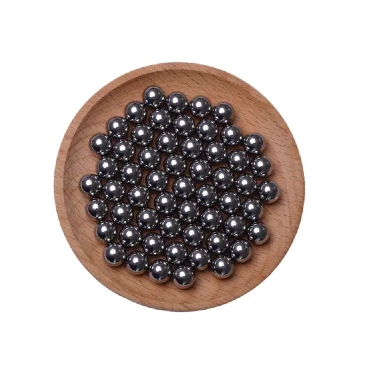
In various industrial and mechanical applications, steel balls play a critical role in enabling smooth, reliable motion. Among these, carbon steel balls and regular steel balls are two common types widely used across many sectors. Understanding the differences between them, their advantages, limitations, and appropriate applications is essential for engineers, manufacturers, and buyers seeking optimal performance and cost-efficiency.
This article provides a comprehensive comparison between carbon steel balls and regular steel balls, focusing on their composition, mechanical properties, performance in different environments, and how to select the right ball for your specific needs.
1. What Are Carbon Steel Balls?
Carbon steel balls are precision-manufactured spherical components primarily made from an alloy of iron and carbon. The carbon content usually ranges from approximately 0.6% to 1.0%, which significantly affects their hardness and mechanical strength.
Key Characteristics:
High Hardness and Strength: The higher carbon content allows these balls to undergo heat treatment processes, resulting in enhanced hardness and wear resistance.
Durability: Carbon steel balls are designed to endure high loads and resist deformation under stress, making them suitable for heavy-duty applications.
Cost-Effectiveness: Compared to alloyed or stainless steel balls, carbon steel balls offer excellent value without compromising on performance.
Versatile Applications: They are commonly used in bearings, automotive parts, industrial machinery, construction equipment, and consumer products.
The combination of high strength and relatively low manufacturing costs makes carbon steel balls a popular choice in demanding industrial contexts.
2. What Are Regular Steel Balls?
Regular steel balls generally refer to steel balls made from low to medium carbon steels or standard mild steel grades. The carbon content in these balls typically ranges from 0.05% to 0.3%, which imparts different mechanical properties compared to carbon steel balls.
Key Characteristics:
Lower Hardness: Due to the lower carbon content, these balls are softer and more ductile, providing flexibility but less wear resistance.
Good Formability: They can be easily shaped and fabricated, suitable for applications where extreme hardness is not necessary.
Economic Production: Regular steel balls are less costly to produce and thus used where cost is a primary concern.
Common Uses: These balls are frequently found in general-purpose bearings, conveyor components, and light machinery.
Regular steel balls serve well in applications with moderate load and wear requirements but are less suited for heavy-duty or precision applications.
3. Key Differences Between Carbon Steel Balls and Regular Steel Balls
To understand whether carbon steel balls are better than regular steel balls, it is crucial to compare them based on several core factors:
Material Composition and Carbon Content
Carbon Steel Balls: Higher carbon content (0.6% to 1%) provides greater hardness and strength.
Regular Steel Balls: Lower carbon content (0.05% to 0.3%) results in increased ductility but reduced hardness.
Mechanical Properties
Hardness and Wear Resistance: Carbon steel balls generally have significantly higher hardness, translating to better wear resistance in demanding conditions.
Toughness: Regular steel balls are more ductile, allowing some flexibility but at the expense of abrasion resistance.
Load Capacity: Carbon steel balls can bear heavier loads due to their enhanced strength.
Corrosion Resistance
Both types have moderate corrosion resistance but neither compares to stainless steel. Carbon steel balls often require coatings or lubrication to resist corrosion better.
Cost and Value
Regular steel balls are cheaper to produce but may need more frequent replacement.
Carbon steel balls, while slightly more expensive, often provide better lifecycle value due to durability.
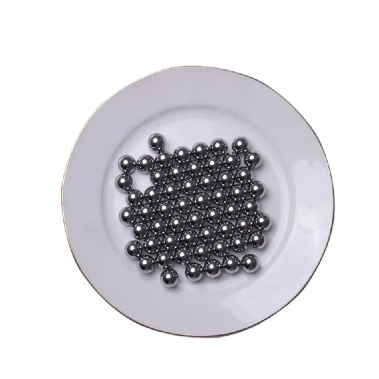
4. Performance Comparison in Different Applications
The performance of carbon steel balls and regular steel balls varies based on the specific operational requirements:
High Load and Heavy-Duty Environments
Carbon steel balls excel in high-load applications such as automotive bearings, industrial gearboxes, and construction equipment. Their superior hardness and strength allow them to withstand constant stress without deformation or premature wear.
Regular steel balls may deform or wear quickly under similar conditions, leading to reduced reliability and increased maintenance costs.
Precision and High-Speed Applications
In machinery where precision and high rotational speed are critical, carbon steel balls are often preferred due to their tighter manufacturing tolerances and better surface finish after heat treatment. This results in smoother motion and longer-lasting bearings.
Regular steel balls may cause more vibration and wear at high speeds due to their lower hardness and precision.
Corrosive or Harsh Environments
Neither carbon steel nor regular steel balls are inherently corrosion-resistant. Both require additional protective coatings or lubrication in environments exposed to moisture, chemicals, or extreme temperatures.
Carbon steel balls can be better candidates for coated solutions due to their hardness and durability, enabling them to maintain integrity longer under protective treatments.
Everyday and Light-Duty Use
For applications involving light mechanical loads, such as household appliances, simple conveyor rollers, or low-speed bearings, regular steel balls can be an economical and adequate solution.
Carbon steel balls might be over-specified in such scenarios, resulting in unnecessary cost increases.
5. Advantages of Carbon Steel Balls
Carbon steel balls offer several compelling benefits that often make them the preferred choice in industrial and commercial settings:
High Strength and Wear Resistance: Their ability to withstand heavy mechanical loads and abrasive conditions ensures longevity and consistent performance.
Cost-Effectiveness: While more expensive than regular steel balls, carbon steel balls provide superior value through extended service life and reduced downtime.
Mature Manufacturing Processes: Heat treatment and finishing techniques are well-developed, allowing for consistent quality and availability.
Versatility: Carbon steel balls are available in various sizes and hardness grades, catering to a wide range of applications from automotive to consumer products.
Environmental Sustainability: Being made from recyclable steel, they contribute positively to sustainability goals in manufacturing.
These advantages position carbon steel balls as a robust, reliable, and economically sound choice for many applications.
6. Advantages and Limitations of Regular Steel Balls
Advantages
Lower Production Cost: Simpler manufacturing and lower-grade materials reduce upfront expenses.
Adequate for Light Loads: Suitable for applications where high hardness and load capacity are unnecessary.
Good Ductility: Their softness can be advantageous in applications requiring some flexibility or impact absorption.
Limitations
Lower Hardness: This results in faster wear and shorter lifespan in demanding conditions.
Reduced Load Capacity: Not suitable for heavy-duty or high-precision machinery.
Higher Maintenance: More frequent replacements and inspections may be necessary, increasing operational costs over time.
7. How to Choose Between Carbon Steel Balls and Regular Steel Balls
Selecting the right steel ball depends on several critical factors:
Load Requirements: For high-load and heavy-duty applications, carbon steel balls are preferable. Regular steel balls suffice for lighter loads.
Environmental Conditions: Consider corrosion exposure and temperature; carbon steel balls with protective coatings are better for harsh environments.
Speed and Precision: High-speed or precision machinery benefits from carbon steel balls’ superior hardness and finish.
Budget and Cost-Efficiency: Weigh upfront cost against lifecycle expenses. Carbon steel balls may have higher initial cost but lower maintenance.
Replacement Frequency: Applications requiring long service intervals lean towards carbon steel for durability.
Balancing these considerations ensures the selected ball meets technical and economic needs effectively.
8. Conclusion
When deciding whether carbon steel balls are better than regular steel balls, the answer depends on the specific application and performance demands. Carbon steel balls offer superior strength, wear resistance, and longevity, making them ideal for demanding industrial, automotive, and precision applications. Conversely, regular steel balls can be a cost-effective option for light-duty or less critical uses.
Understanding the differences in material composition, mechanical properties, and environmental suitability empowers engineers and buyers to make informed choices that optimize performance and cost-efficiency. As manufacturing technologies evolve, both types will continue to serve essential roles across diverse industries.
Choosing the right steel ball ensures machinery runs smoothly, efficiently, and reliably—ultimately supporting business success and innovation.


