Are you struggling to find the right carbon steel ball for your project? These small yet vital components play a crucial role in many industries. In this article, we’ll explore the different types of carbon steel balls, their properties, and how to choose the best one for your specific needs.
Understanding Carbon Steel Balls
What are Carbon Steel Balls?
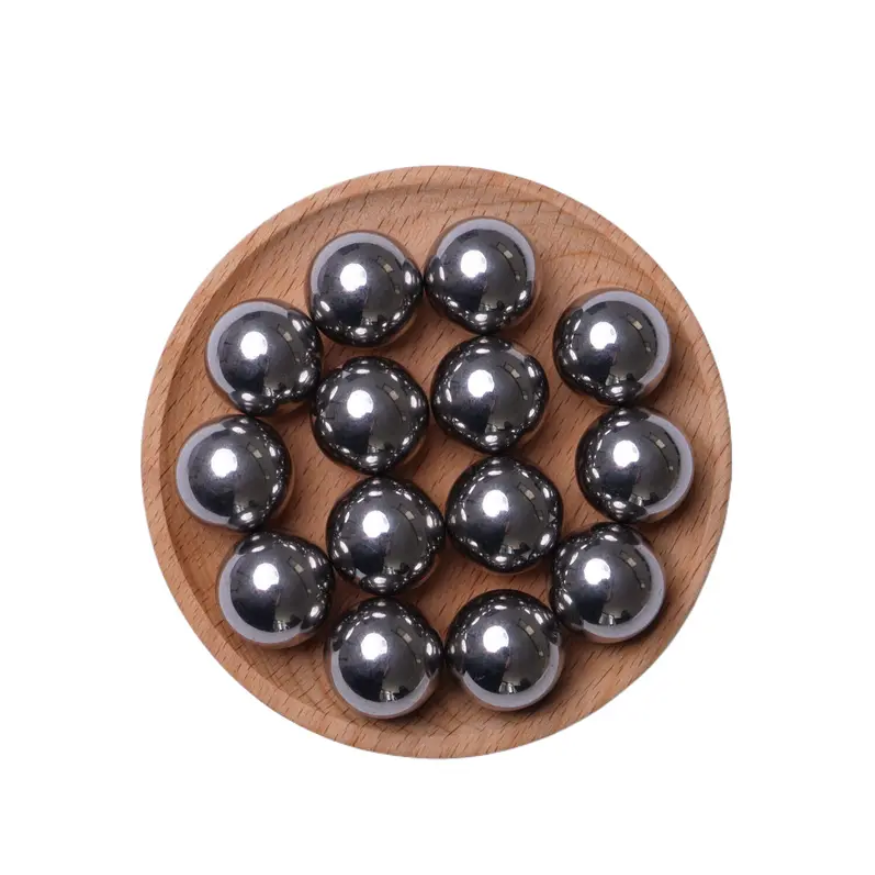
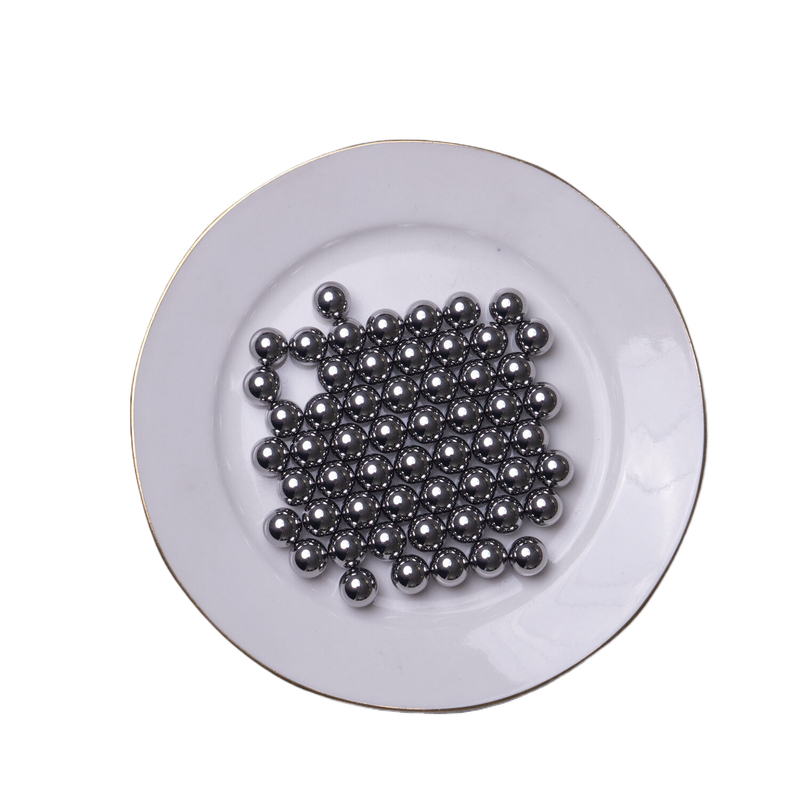
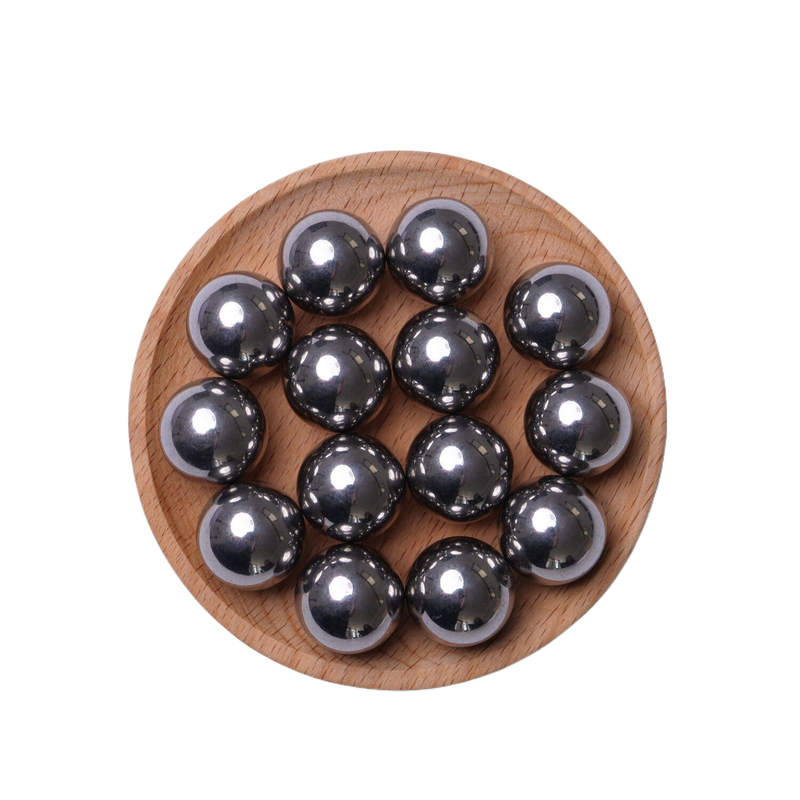
Carbon steel balls are small, spherical components made primarily from carbon steel. They are known for their durability and strength, making them ideal for various industrial applications. These balls come in different sizes and grades, which can significantly influence their performance.
Characteristics of Carbon Steel Balls
● Strength: High tensile strength allows them to withstand heavy loads.
● Hardness: The hardness level varies based on carbon content, affecting wear resistance.
● Versatility: Suitable for numerous applications, from automotive to manufacturing.
In industries, carbon steel balls are commonly used in bearings, valves, and other machinery components. Their ability to reduce friction and enhance performance makes them essential in many mechanical systems.
Types of Carbon Steel Balls
Carbon steel balls can be categorized into three main grades based on their carbon content: low-carbon, medium-carbon, and high-carbon. Each type has distinct properties and applications.
Grade | Carbon Content | Typical Uses |
Low-Carbon | 0.05% - 0.25% | General hardware, low-strength applications |
Medium-Carbon | 0.25% - 0.60% | Automotive parts, machinery components |
High-Carbon | 0.60% - 1.00% | High-performance applications, tools |
Impact of Carbon Content
The carbon content in steel significantly affects its characteristics.
● Low-Carbon Balls: These are softer and more ductile, making them easier to shape. They are often used in applications where high strength is not critical.
● Medium-Carbon Balls: Offering a balance between strength and ductility, medium-carbon balls are commonly found in automotive and machinery applications.
● High-Carbon Balls: These are the hardest and most wear-resistant. They are ideal for demanding applications, such as cutting tools and high-load environments.
Understanding these distinctions helps in selecting the right carbon steel ball for your specific project needs. Whether you require strength, durability, or cost-effectiveness, knowing the types of carbon steel balls available is crucial for making an informed decision.
Key Properties of Carbon Steel Balls
Mechanical Properties
When selecting a carbon steel ball, understanding its mechanical properties is crucial. These properties include strength, hardness, and wear resistance.
● Strength: Carbon steel balls are known for their high tensile strength, allowing them to support significant loads without deforming. This makes them ideal for applications like bearings and automotive components.
● Hardness: Hardness is typically measured on the Rockwell scale, with carbon steel balls ranging from HRC 50 to HRC 66. Higher hardness levels indicate better wear resistance, which is essential for high-performance applications.
Hardness Comparison Table
Grade | Hardness (HRC) | Typical Applications |
Low-Carbon | 50 - 54 | General hardware, low-load bearings |
Medium-Carbon | 54 - 58 | Automotive parts, machinery |
High-Carbon | 58 - 66 | Cutting tools, high-load applications |
Heat treatment can significantly enhance these mechanical properties. By processes like quenching and tempering, manufacturers can achieve desired hardness levels and improve overall performance.
Physical Properties
The physical properties of carbon steel balls also play a vital role in their functionality.
● Size Range and Weight Variations: Carbon steel balls come in various sizes, typically ranging from 1 mm to 50 mm in diameter. The weight varies depending on the size and grade, influencing their application.
● Precision Grades: Precision is key in many applications. Carbon steel balls are categorized into precision grades, from G20 to G1000. Higher precision grades ensure tighter tolerances, which is critical in high-speed or high-load environments.
Common Industrial Sizes
Size (mm) | Weight (grams) | Common Uses |
4.763 | 0.5 | Small machinery, precision instruments |
38.10 | 25 | Automotive applications, bearings |
Surface Treatments
To enhance performance, various surface treatments are applied to carbon steel balls.
● Nickel Plating: This treatment provides excellent corrosion resistance, making it suitable for outdoor applications. Many outdoor machinery components benefit from this coating.
● Galvanizing: A process that involves coating the steel with zinc, galvanizing protects against rust and is often used in construction materials.
● Black Oxide: This treatment offers minimal corrosion resistance but improves aesthetic appeal and reduces glare, making it ideal for certain decorative applications.
Benefits of Surface Treatments
Each treatment has its advantages. For instance, nickel plating not only protects against corrosion but also improves wear resistance. On the other hand, galvanizing is cost-effective for bulk applications, while black oxide is preferred for its visual appeal.
By understanding these key properties, you can make informed choices when selecting carbon steel balls for your projects. Whether you need strength, precision, or durability, knowing the characteristics of these components will guide you to the right decision.
Selecting the Right Carbon Steel Ball for Your Project
Assessing Project Requirements
Choosing the right carbon steel ball starts with a clear understanding of your project requirements. Begin by determining the load requirements based on your project specifications. For instance, if you’re designing machinery that will bear heavy loads, it’s crucial to select a ball that can withstand those forces without deforming.
Environmental conditions also play a significant role. If your project involves exposure to moisture or chemicals, you’ll need to consider how these factors might affect the performance and longevity of the carbon steel ball. In such cases, surface treatments or specific grades may be necessary to enhance corrosion resistance.
Precision needs are another important consideration. Selecting the appropriate grades for machinery and general hardware can make a difference in performance. Higher precision grades, such as G20 to G1000, are ideal for applications requiring tight tolerances, ensuring smooth operation and longevity.
Matching Grades to Applications
Different applications demand specific grades of carbon steel balls. Here’s a quick look at recommended grades for various uses:
● Automotive Components: Medium-carbon grades provide the strength and durability needed for parts that undergo constant movement and stress.
● Toy Production: Low-carbon grades are suitable due to their safety and lower cost, making them ideal for non-load-bearing applications.
● Outdoor Machinery: High-carbon or nickel-plated balls are recommended for their resistance to corrosion and wear, crucial for outdoor environments.
● Heavy-Duty Industrial Use: High-carbon grades offer superior hardness and wear resistance, making them perfect for demanding industrial applications.
Application Alignment Table
Application | Recommended Grade | Key Reasons |
Automotive Components | Medium-Carbon | Strength and durability under stress |
Toy Production | Low-Carbon | Cost-effective and safe for non-load applications |
Outdoor Machinery | High-Carbon/Nickel | Corrosion resistance and durability |
Heavy-Duty Industrial Use | High-Carbon | Superior hardness and wear resistance |
Evaluating Cost vs. Performance
When selecting carbon steel balls, it’s essential to evaluate cost versus performance. Comparing carbon steel balls with alternatives, such as stainless steel and bearing steel, reveals some compelling advantages.
Carbon steel is often more cost-effective, especially for budget-sensitive projects. While stainless steel offers excellent corrosion resistance, it typically comes at a higher price point. In contrast, carbon steel provides a competitive edge due to its lower cost and higher hardness, making it suitable for applications where wear resistance is critical.
By understanding these factors, you can make informed decisions that align with your project’s needs while ensuring optimal performance and cost-effectiveness.
Technical Specifications to Consider
Size and Precision
When selecting a carbon steel ball, size matters significantly. The right size ensures optimal functionality in your application. For instance, too large a ball can create excessive friction, while too small a ball may not handle the required loads effectively.
Precision grades are crucial as well. They indicate how closely the dimensions of the ball adhere to specified tolerances. Understanding these grades helps you choose the right carbon steel ball for different applications. For example, precision grades range from G20 to G1000, with higher grades ensuring tighter tolerances. This is particularly important in high-speed applications, such as automotive bearings, where even slight variations can lead to performance issues or failures.
Precision Grades Overview
Grade | Tolerance | Typical Applications |
G20 | ±0.025 mm | General hardware |
G100 | ±0.005 mm | High-speed machinery |
G1000 | ±0.001 mm | Precision instruments, aerospace |
Hardness and Durability
Hardness is another key specification that directly affects performance. The hardness level of a carbon steel ball determines its ability to withstand wear and tear in various applications. Higher hardness levels typically translate to better wear resistance, which is essential for components subjected to high loads.
When considering hardness, it’s important to match levels to load requirements. For example, a medium-carbon ball with a hardness of HRC 54-58 is suitable for automotive parts, while a high-carbon ball with HRC 60-66 is ideal for heavy-duty industrial applications.
Hardness Recommendations
Application | Recommended Hardness (HRC) | Reasoning |
Automotive Components | 54 - 58 | Balance of strength and wear resistance |
Industrial Machinery | 58 - 66 | High load and wear resistance needed |
General Hardware | 50 - 54 | Cost-effective and sufficient durability |
Wear resistance is particularly significant in high-load scenarios. It ensures longevity and reliability, reducing the frequency of replacements and maintenance. By understanding these technical specifications, you can select the right carbon steel ball that meets the demands of your specific project.
Common Mistakes to Avoid
Overlooking Environmental Factors
One of the most common mistakes when choosing a carbon steel ball is overlooking environmental factors. It's crucial to consider the conditions where the ball will be used. For example, in highly corrosive environments—like those exposed to saltwater or strong chemicals—carbon steel may not be the best choice. The material can rust and degrade quickly, leading to premature failure.
To help visualize this, here’s a quick reference table of environments and their suitability for carbon steel:
Environment | Suitability for Carbon Steel | Recommended Alternatives |
Indoor, dry conditions | Suitable | N/A |
Humid environments | Caution required | Stainless steel |
Chemical exposure | Not suitable | Coated or stainless steel |
Outdoor, variable weather | Caution required | Nickel-plated options |
Understanding these factors ensures you select the right material for your specific application, enhancing durability and performance.
Ignoring Load and Performance Needs
Another frequent oversight is ignoring load and performance needs. Selecting the wrong grade of carbon steel ball based on load requirements can lead to serious issues. For example, if a low-grade ball is used in a high-load application, it may deform or fail entirely under pressure.
The consequences of inadequate performance can be severe, particularly in critical applications like automotive parts or industrial machinery. A failure in these areas can result in costly downtime or even safety hazards.
Risks of Incorrect Load Selection
Grade | Load Capacity | Consequences of Misuse |
Low-Carbon | Low | Deformation, wear, and failure |
Medium-Carbon | Moderate | Reduced efficiency, increased wear |
High-Carbon | High | Optimal performance, but brittle if overloaded |
By paying attention to load and performance requirements, you can avoid these pitfalls and ensure your project runs smoothly.
Conclusion
Choosing the right carbon steel ball is essential for your project's success. Key factors include size, precision, hardness, and environmental conditions.
Avoid common mistakes like overlooking environmental factors and ignoring load requirements.
Carefully assess your project needs to select the most suitable carbon steel ball. This will enhance performance and durability in your applications.
FAQs About Carbon Steel Ball
Q: What is the difference between low-carbon, medium-carbon, and high-carbon steel balls?
A: Low-carbon balls are softer and more ductile, medium-carbon balls offer a balance of strength and hardness, while high-carbon balls are harder and more brittle.
Q: How does surface treatment affect the performance of carbon steel balls?
A: Surface treatments enhance wear resistance, reduce friction, and improve corrosion resistance, extending the lifespan of the balls.
Q: Can carbon steel balls be used in corrosive environments?
A: No, carbon steel is unsuitable for corrosive environments; alternatives like stainless steel are recommended.
Q: What are the most common applications for carbon steel balls?
A: They are widely used in automotive components, industrial machinery, and general hardware.
Q: How do I determine the right size of carbon steel ball for my project?
A: Consider the application requirements, load capacity, and precision needs to select the appropriate size.
Q: What are the cost advantages of using carbon steel balls over alternatives?
A: Carbon steel balls are generally more affordable than stainless steel, making them cost-effective for many applications.


