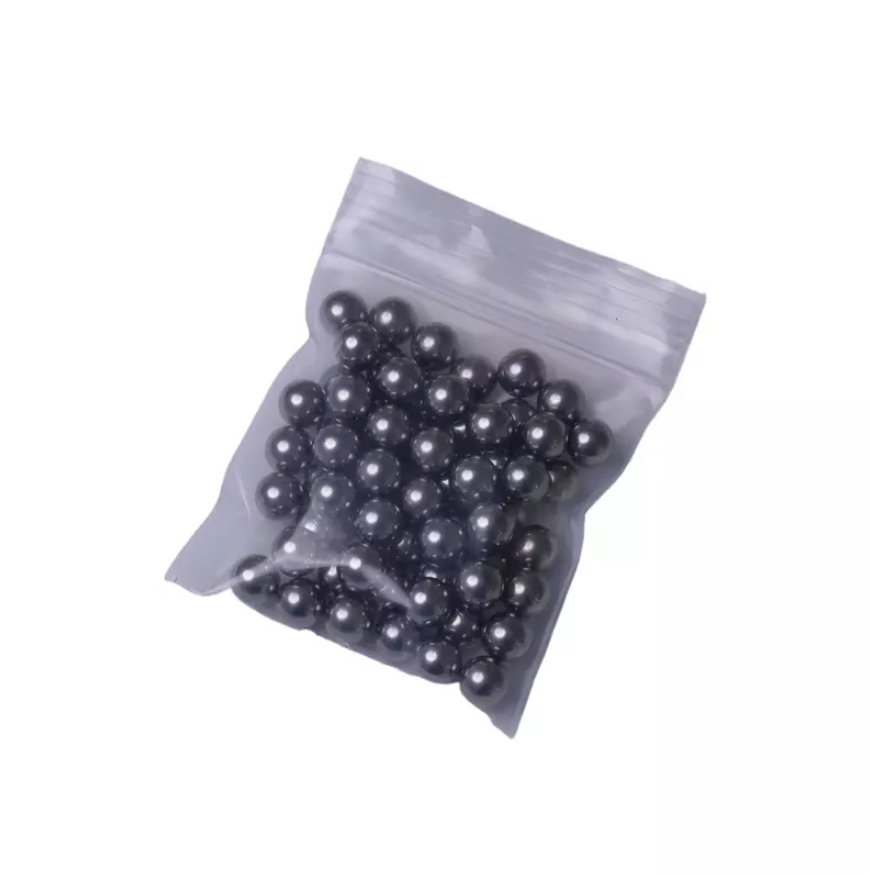
Carbon steel balls are widely used in various industrial applications, and their magnetic properties play a crucial role in determining their suitability for specific uses. This article explores the fundamental reasons behind the magnetism of carbon steel, focusing on the role of iron, the impact of carbon content, and how heat treatment and alloying elements can influence magnetic behavior. Understanding these factors is essential for engineers and manufacturers to select the right materials for applications that require precise magnetic characteristics.
Understanding the Magnetism of Carbon Steel
Why Is Carbon Steel Magnetic?
Carbon steel is magnetic mainly because it contains iron, a metal known for its ferromagnetic properties. Iron atoms have unpaired electrons whose magnetic moments tend to align in the same direction. This alignment forms tiny regions called magnetic domains. When these domains line up uniformly, the material exhibits strong magnetism.
In carbon steel, iron atoms arrange themselves in a body-centered cubic (BCC) crystal structure, also known as ferrite. This structure allows magnetic moments to align easily, producing strong attraction to magnets. So, the iron's atomic structure is the foundation of carbon steel's magnetism.
The Role of Iron in Magnetism
Iron plays a vital role in carbon steel's magnetic behavior. Its four unpaired electrons in the 3d orbital generate magnetic moments. Normally, these moments point randomly, canceling out the magnetism. But in ferromagnetic materials like iron, the moments align in the same direction within magnetic domains.
The BCC crystal structure in carbon steel supports this alignment by providing less resistance to magnetic domain formation. This is why carbon steel is strongly attracted to magnets and can be magnetized easily.
When heated above the Curie temperature (about 770°C for pure iron), carbon steel loses its magnetism temporarily. At this temperature, atomic vibrations disrupt domain alignment. Once cooled, the magnetic properties return as the BCC structure reforms.
Impact of Carbon Content on Magnetism
Carbon content influences carbon steel's magnetic strength by altering its microstructure. Low-carbon steel (up to 0.25% carbon) mainly consists of ferrite, which is highly magnetic. As carbon content increases, cementite (iron carbide) forms. Cementite disrupts magnetic domain alignment because it is less magnetic than ferrite.
● Low Carbon Steel: Strong magnetism due to dominant ferrite phase.
● Medium Carbon Steel: Slightly reduced magnetism because of increased pearlite (a mix of ferrite and cementite).
● High Carbon Steel: Lower magnetic response as cementite content rises.
Still, even high carbon steels retain some magnetism, though weaker than low-carbon variants.
Summary Table: Carbon Content Effects
Carbon Level | Microstructure | Magnetism Level |
Low Carbon (≤0.25%) | Mostly ferrite | High |
Medium Carbon (0.25-0.6%) | Ferrite + pearlite | Moderate |
High Carbon (>0.6%) | More cementite + pearlite | Lower |
Practical Example
Imagine two ball bearings made from carbon steel: one low-carbon and one high-carbon. The low-carbon bearing will be more magnetic, making it suitable for applications requiring magnetic interaction. The high-carbon bearing, while still magnetic, will have a weaker magnetic response, which might be beneficial where less magnetism is desired.
Carbon steel’s magnetism mainly depends on iron’s ferromagnetic nature; carbon changes magnetic strength by modifying microstructure, not by creating or removing magnetism.
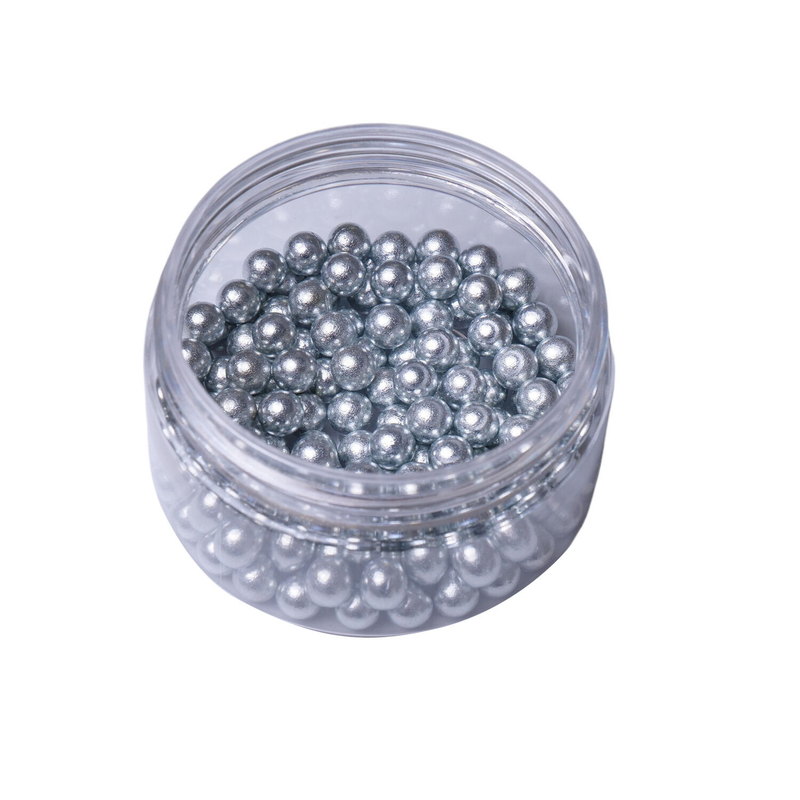
Factors Affecting Magnetism in Carbon Steel Balls
Heat Treatment and Its Effects
Heat treatment plays a crucial role in shaping the magnetic properties of carbon steel balls. When steel is heated to high temperatures, its internal structure undergoes significant changes. For example, heating above the Curie temperature (about 770°C for pure iron) transforms the microstructure from ferromagnetic ferrite into a paramagnetic phase called austenite. In this state, the steel loses most of its magnetic attraction temporarily.
Cooling processes further influence magnetism. Rapid cooling or quenching can trap the steel in a martensitic structure, which is ferromagnetic and can enhance magnetic strength. Conversely, slow cooling allows the formation of a softer ferrite-pearlite structure, which might slightly reduce magnetic responsiveness but improves ductility and toughness.
Different heat treatment methods can be used to tailor the magnetic properties for specific applications. For instance, annealing involves heating followed by slow cooling, often reducing magnetic strength but improving machinability. Quenching followed by tempering can produce a harder, more magnetic microstructure suitable for high-stress parts.
In CNC machining, controlling heat treatment parameters ensures consistent magnetic performance. Excessive heating or improper cooling can cause microstructural changes that weaken the magnetic domains, affecting the part's magnetic response.
Surface Treatments and Coatings
Surface treatments like plating, oxidation, or coating generally don’t significantly impact the core magnetic properties of carbon steel balls. Since magnetism mainly depends on the internal microstructure, surface modifications usually only create a barrier that prevents magnetic fields from penetrating or affects surface interactions.
However, in some cases, specialized coatings can influence magnetic behavior. For example, non-magnetic coatings such as zinc, nickel, or chrome are often used to protect the steel from corrosion without affecting its magnetic properties. But if a coating is thick or contains magnetic materials, it might alter the magnetic response slightly.
In applications where precise magnetic properties matter, choosing surface treatments that do not interfere with the core magnetism is essential. For example, in electronic or magnetic shielding components, the core must retain its ferromagnetic properties, so surface coatings are selected carefully.
Influence of Alloying Elements
Adding alloying elements can significantly influence the magnetic properties of carbon steel balls. Small amounts of elements like manganese (Mn), nickel (Ni), or copper (Cu) can modify the steel’s crystal structure and phase composition.
● Nickel: When added in higher quantities, it can transform the steel's structure from BCC ferrite to FCC austenite, which is largely non-magnetic. This is common in stainless steels, which are often non-magnetic despite containing iron.
● Manganese: Usually improves toughness and can slightly reduce magnetic permeability if added in larger amounts.
● Copper: Typically used for corrosion resistance; it has minimal impact on magnetism but can influence microstructure.
The presence of these elements can either enhance or diminish the steel's magnetic response depending on their concentration and how they alter the microstructure. For applications requiring high magnetic permeability, low-alloyed, ferritic steels are preferred. Conversely, for non-magnetic needs, alloying with nickel or other non-magnetic elements is common.
Summary
The magnetic properties of carbon steel balls are highly dependent on manufacturing choices. Heat treatment can enhance or diminish magnetism by changing the microstructure. Surface treatments generally have minimal impact unless they involve magnetic materials. Alloying elements can significantly alter magnetic behavior, especially when they induce phase changes or disrupt magnetic domain alignment.
By understanding these factors, engineers and manufacturers can tailor carbon steel balls to meet specific magnetic requirements, whether for magnetic fixtures, electronic components, or non-magnetic applications.
When designing parts that require specific magnetic properties, communicate clearly with your supplier about heat treatment, surface finishes, and alloying to achieve the desired outcome.
Applications of Magnetic Carbon Steel Balls
Use in Magnetic Bearings
Magnetic bearings utilize the magnetic properties of carbon steel balls to support rotating parts without physical contact. These balls are embedded in systems that generate magnetic fields, allowing smooth, frictionless movement. Because carbon steel is naturally magnetic, it can be magnetized to create a stable magnetic field, supporting high-speed rotation with minimal wear. Engineers often select low-carbon steel for these applications, as its high magnetic permeability ensures strong magnetic attraction and stability. Properly magnetized carbon steel balls help in achieving precise positioning, reduced energy consumption, and longer lifespan of the bearing system.
Separation and Sorting Processes
In industrial settings, magnetic carbon steel balls are vital for separation and sorting tasks. Their ferromagnetic nature allows them to be easily separated from non-magnetic materials using magnetic fields. For example, during recycling, magnetic separators attract carbon steel balls mixed with other debris, efficiently segregating ferrous metals. Similarly, manufacturing lines use magnetic fixtures to sort or position parts during assembly. The magnetic response of these balls ensures quick, reliable separation, saving time and reducing manual labor. Selecting the right grade—usually low-carbon steel—maximizes magnetic attraction for these processes.
Electromagnetic Interference Concerns
While magnetic carbon steel balls serve many functions, their magnetic nature can pose challenges in electronic applications. They can cause electromagnetic interference (EMI), disrupting sensitive devices like sensors, computers, or communication equipment. Engineers must consider this when designing electronic systems. In some cases, non-magnetic materials like stainless steel or ceramics are preferable. When carbon steel balls are unavoidable, shielding or strategic placement can mitigate EMI effects. Proper testing, such as magnetic permeability measurements, helps ensure parts won’t interfere with critical electronics.
Summary
Magnetic carbon steel balls find diverse uses across industries. They support high-precision systems like magnetic bearings, enable efficient separation in recycling, and require careful handling to prevent EMI issues. Understanding their magnetic properties helps engineers choose suitable grades and design safer, more effective products.Always evaluate the magnetic influence of carbon steel balls in your application. Proper material selection and testing prevent performance issues and interference problems.
Testing the Magnetism of Carbon Steel Balls
Simple Magnet Attraction Tests
One of the easiest ways to determine if a carbon steel ball is magnetic is by using a strong magnet. Simply bring the magnet close to the steel ball. If the ball is attracted and sticks to the magnet, it confirms the presence of magnetic properties. This test is quick, cost-effective, and provides an immediate answer. It’s especially useful in manufacturing settings where rapid quality checks are needed.
Residual Magnetism Checks
Residual magnetism, also called remanence, refers to the magnetism that remains in a steel ball after the external magnetic field is removed. To check this, rub a magnet along the surface of the ball, then remove the magnet and see if the ball still attracts small magnetic objects like iron filings or paper clips. If it does, the ball has residual magnetism. This test helps determine if the steel retains magnetism after exposure to magnetic fields, which can influence its use in sensitive applications.
Importance of Magnetic Particle Inspection
Magnetic Particle Inspection (MPI) is a more advanced, non-destructive testing method used mainly for quality control. It involves applying a magnetic field to the steel ball and dusting fine ferromagnetic particles over its surface. If there are cracks, seams, or surface flaws, the magnetic field leaks at these points, attracting the particles and creating visible indications. MPI is essential in industries like aerospace, automotive, and heavy machinery, where detecting micro-cracks ensures safety and durability.
This inspection not only confirms the magnetic properties of the steel but also verifies the integrity of the material. For critical parts, MPI provides confidence that the component is free from hidden defects that could cause failure during operation.
Regularly perform simple magnet attraction tests and residual magnetism checks during production to ensure consistent magnetic performance of carbon steel balls. For critical applications, consider magnetic particle inspection for thorough quality assurance.
Limitations and Considerations
Industries Requiring Non-Magnetic Alternatives
Some industries need parts that don't attract magnets. For example, in medical devices, magnetic interference can disrupt sensitive equipment. Similarly, in electronics, stray magnetic fields may cause malfunctions. To avoid these issues, manufacturers often choose non-magnetic materials like stainless steel with high nickel content, ceramics, or plastics. These materials don't support magnetic domains, preventing unwanted attraction or interference.
Impact on Electronic Devices
Magnetic carbon steel balls can cause problems in electronic systems. They may interfere with sensors, circuits, or communication devices. For instance, magnetic fields from steel parts could distort sensor readings or disrupt data transmission. This is especially critical in medical imaging, aerospace, and precision instrumentation. Designers must carefully assess whether magnetic properties could compromise device performance. Using non-magnetic materials or shielding can mitigate these risks.
Considerations for Sensitive Applications
In applications where even minimal magnetism causes issues, extra precautions are essential. Sensitive environments like MRI rooms or high-precision laboratories require non-magnetic components. In such cases, choosing stainless steel alloys like 316 or specialty ceramics is common. Additionally, manufacturing processes should minimize residual magnetism. Proper heat treatments, demagnetization procedures, and material certifications help ensure parts meet strict standards.
Tip: When designing parts for sensitive or electronic applications, specify non-magnetic requirements early. This helps manufacturers select appropriate materials and processing methods, avoiding costly redesigns later.
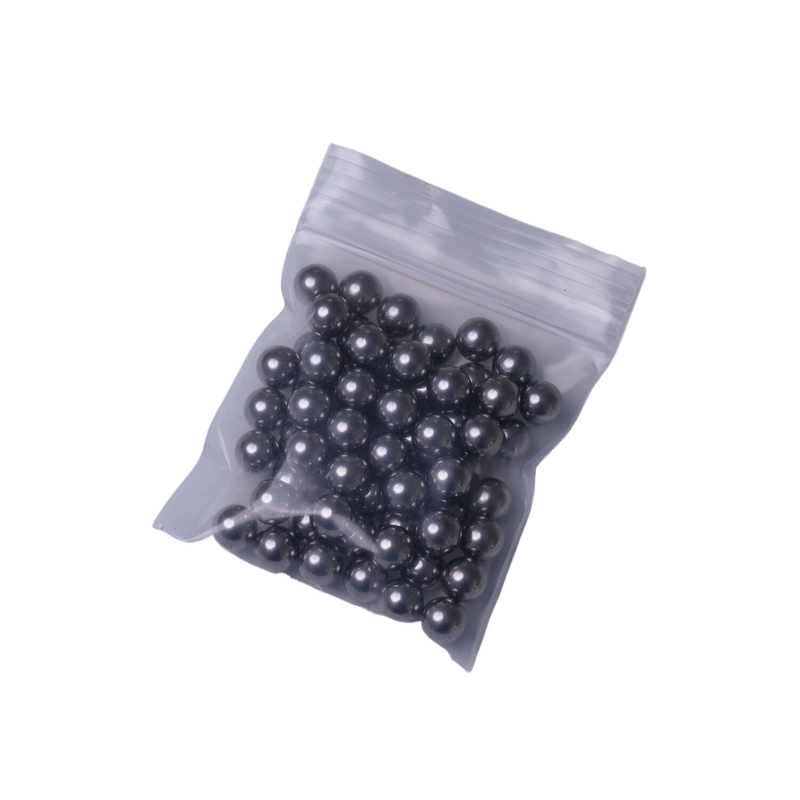
Choosing the Right Carbon Steel Ball Bearings
Matching Magnetism to Application Needs
Selecting carbon steel ball bearings requires balancing magnetic properties and application demands. Some uses benefit from strong magnetism, like magnetic bearings or sorting systems. Others, especially in electronics, need minimal magnetism to avoid interference.
Start by understanding your application’s magnetic tolerance:
● High Magnetism Needed: Choose low-carbon steel bearings. Their ferritic structure offers strong magnetic response.
● Moderate Magnetism: Medium-carbon steel bearings provide a balance of strength and magnetic attraction.
● Low Magnetism Desired: High-carbon steel bearings reduce magnetism due to increased cementite, though they remain slightly magnetic.
Consider if residual magnetism affects your device. For sensitive electronics, even small magnetic fields can cause issues. In such cases, non-magnetic alternatives (e.g., stainless steel or ceramic balls) may be better.
Communicating Requirements to Manufacturers
Clear communication with your manufacturer is essential to get bearings with the right magnetic performance. Provide detailed specs including:
● Desired magnetic strength or limits
● Carbon content preferences
● Heat treatment processes (e.g., annealing, quenching)
● Surface treatment needs
● Any special testing or inspection requirements
Manufacturers can adjust processing to meet your needs, such as controlling heat treatments to tune magnetism or applying coatings that do not interfere with magnetic properties. Sharing application context helps them recommend suitable grades and treatments.
Importance of Material Certificates
Always request material certificates from your supplier. These documents verify:
● Chemical composition (carbon content, alloying elements)
● Heat treatment history
● Mechanical properties
● Magnetic properties or permeability data, if available
Certificates ensure you receive bearings matching your specifications. They also support quality control and regulatory compliance. For critical applications, insist on certificates confirming magnetic performance to avoid costly failures or redesigns.
When ordering carbon steel ball bearings, clearly specify magnetic requirements and request material certificates to ensure bearings perform reliably in your application.
Conclusion
Carbon steel ball bearings are magnetic due to their iron content, which aligns magnetic domains. Low-carbon variants exhibit stronger magnetism, while high-carbon types show reduced magnetic response. Heat treatment and alloying elements also influence magnetism. Future advancements will enhance their industrial applications, balancing magnetism with specific needs. Ningyang Qisheng Industry and Trade Co., Ltd. offers high-quality carbon steel ball bearings, ensuring optimal performance and value in diverse applications. Their expertise guarantees reliable solutions tailored to meet precise magnetic and structural requirements.
FAQ
Q: Are carbon steel balls magnetic?
A: Yes, carbon steel balls are magnetic due to the presence of iron, which has ferromagnetic properties.
Q: How does carbon content affect the magnetism of carbon steel balls?
A: Carbon content influences magnetism by altering the microstructure. Low-carbon steel is highly magnetic, while high-carbon steel has reduced magnetism due to increased cementite.
Q: Why are carbon steel balls used in magnetic bearings?
A: Carbon steel balls are used in magnetic bearings because their strong magnetic properties allow for frictionless movement and precise positioning.
Q: What factors can influence the magnetism of carbon steel balls?
A: Heat treatment, surface treatments, and alloying elements can influence the magnetism of carbon steel balls by altering their microstructure and phase composition.


